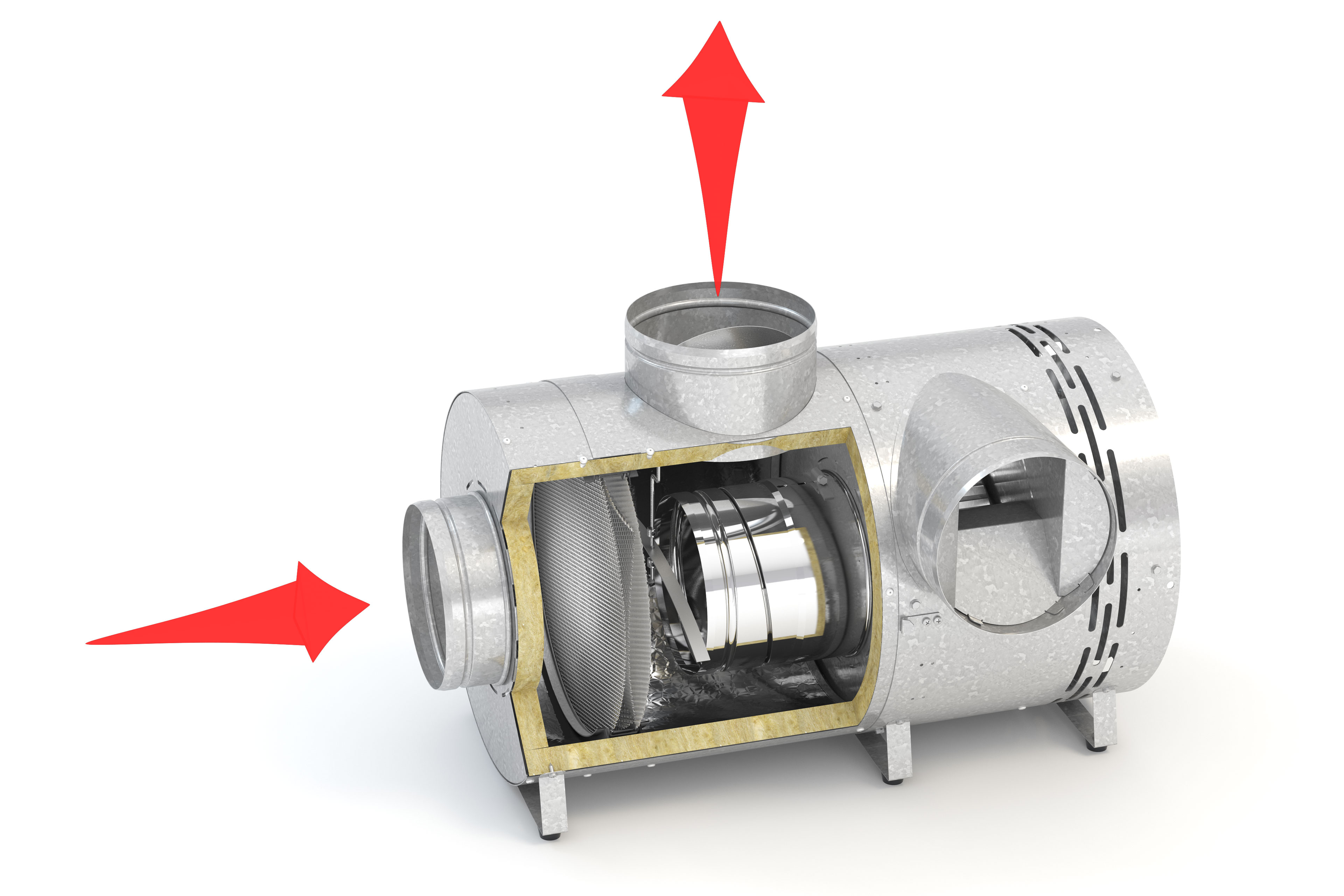
3D STEEL PRODUCT STUDIO VISUALIZATIONS

The Goal

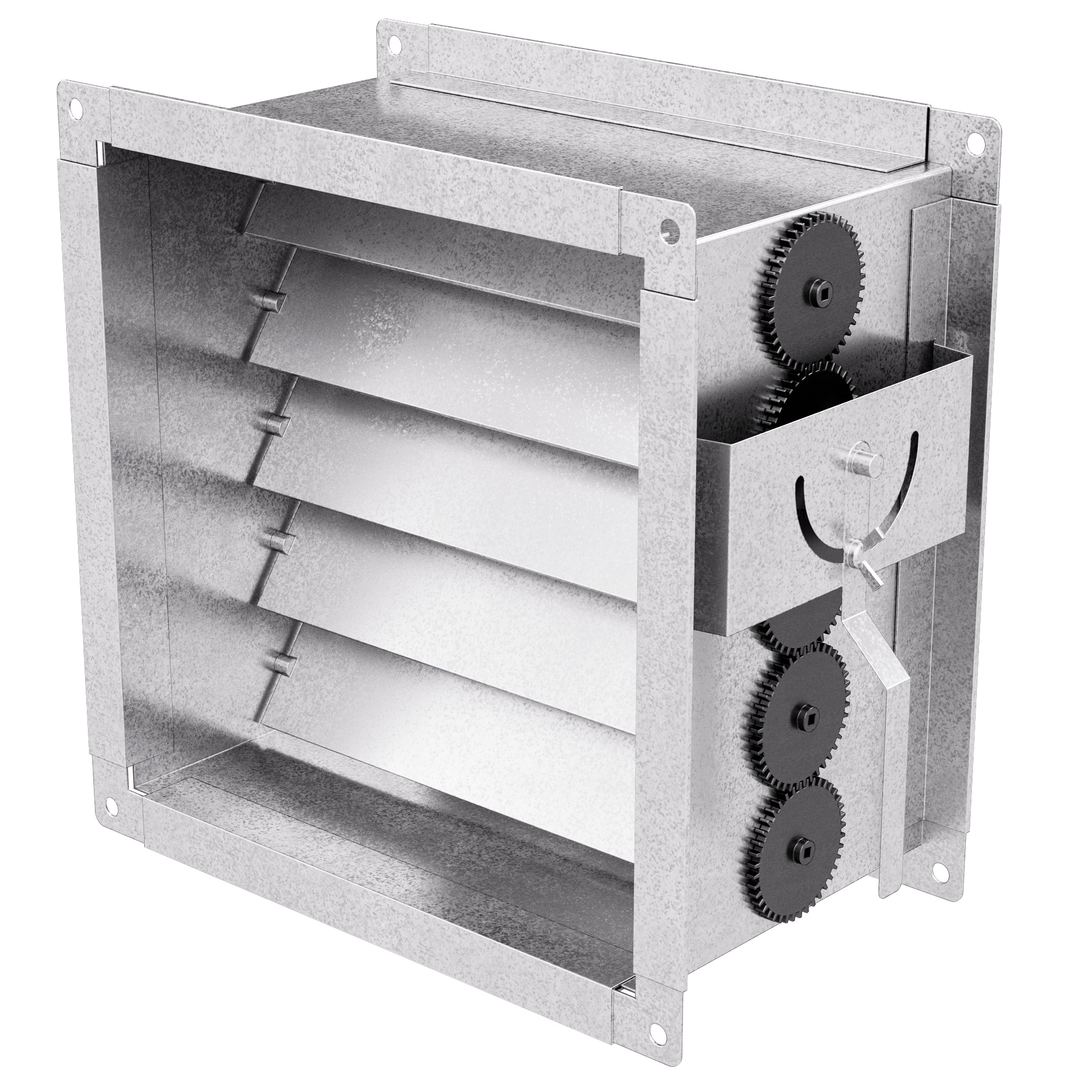
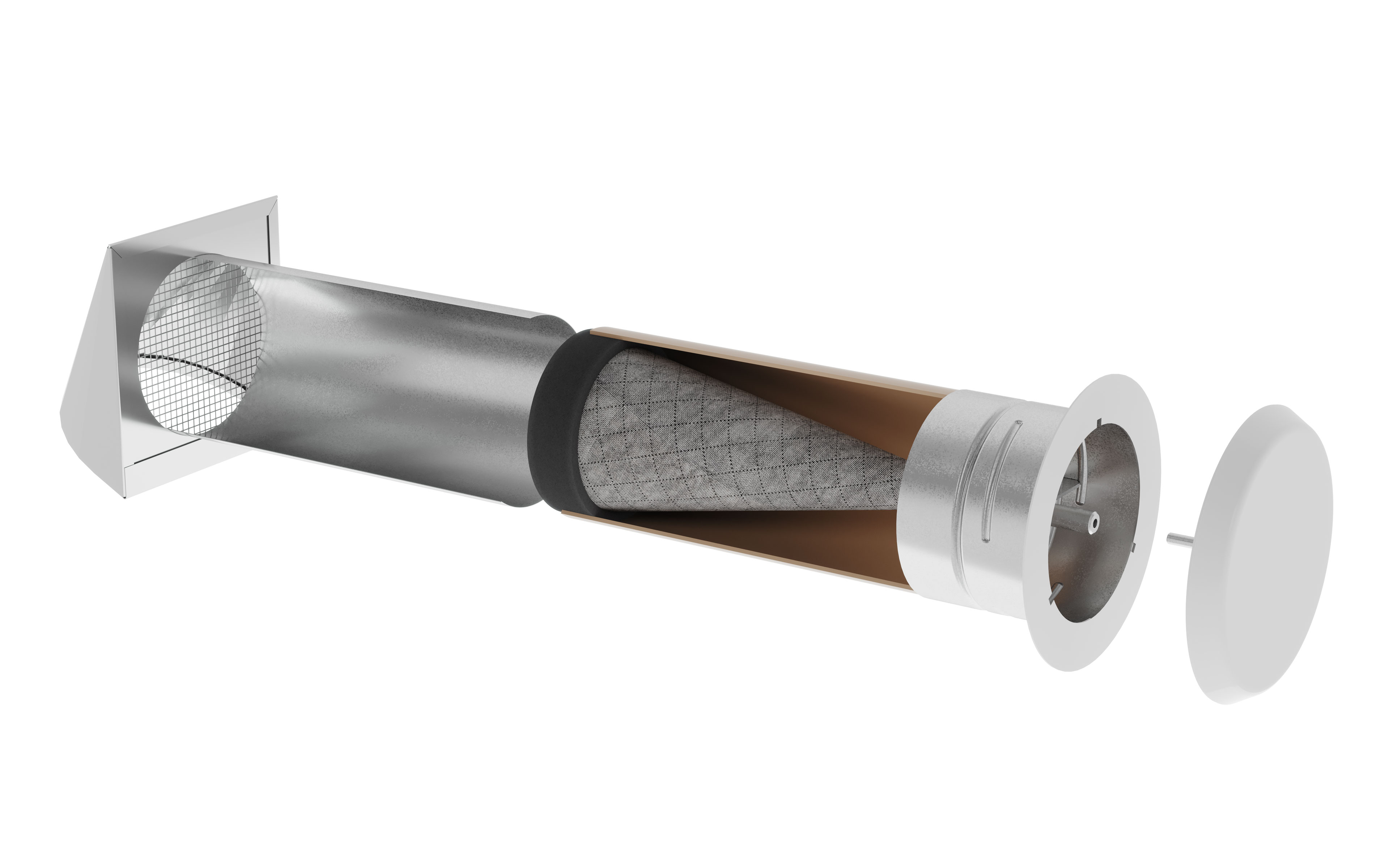
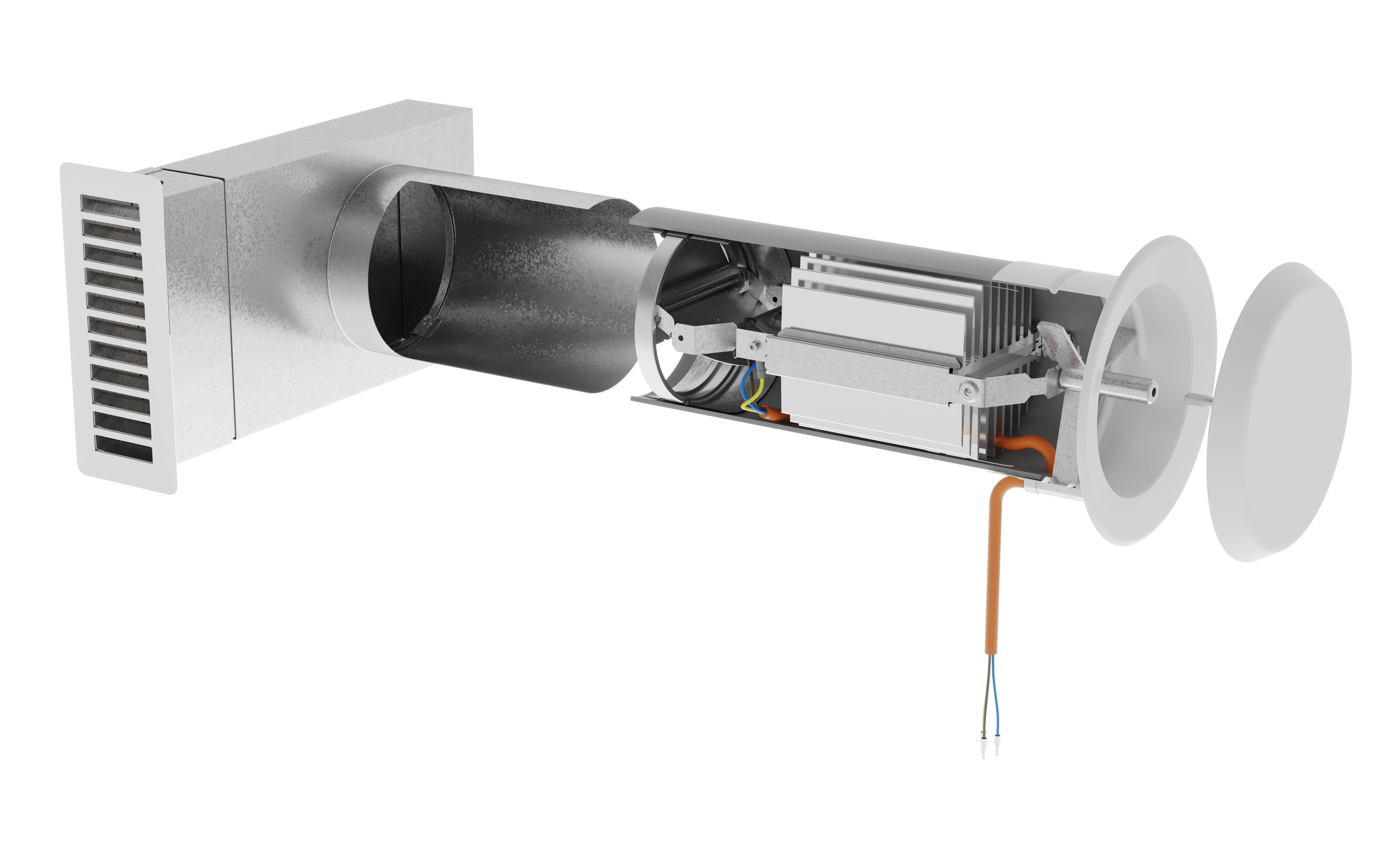
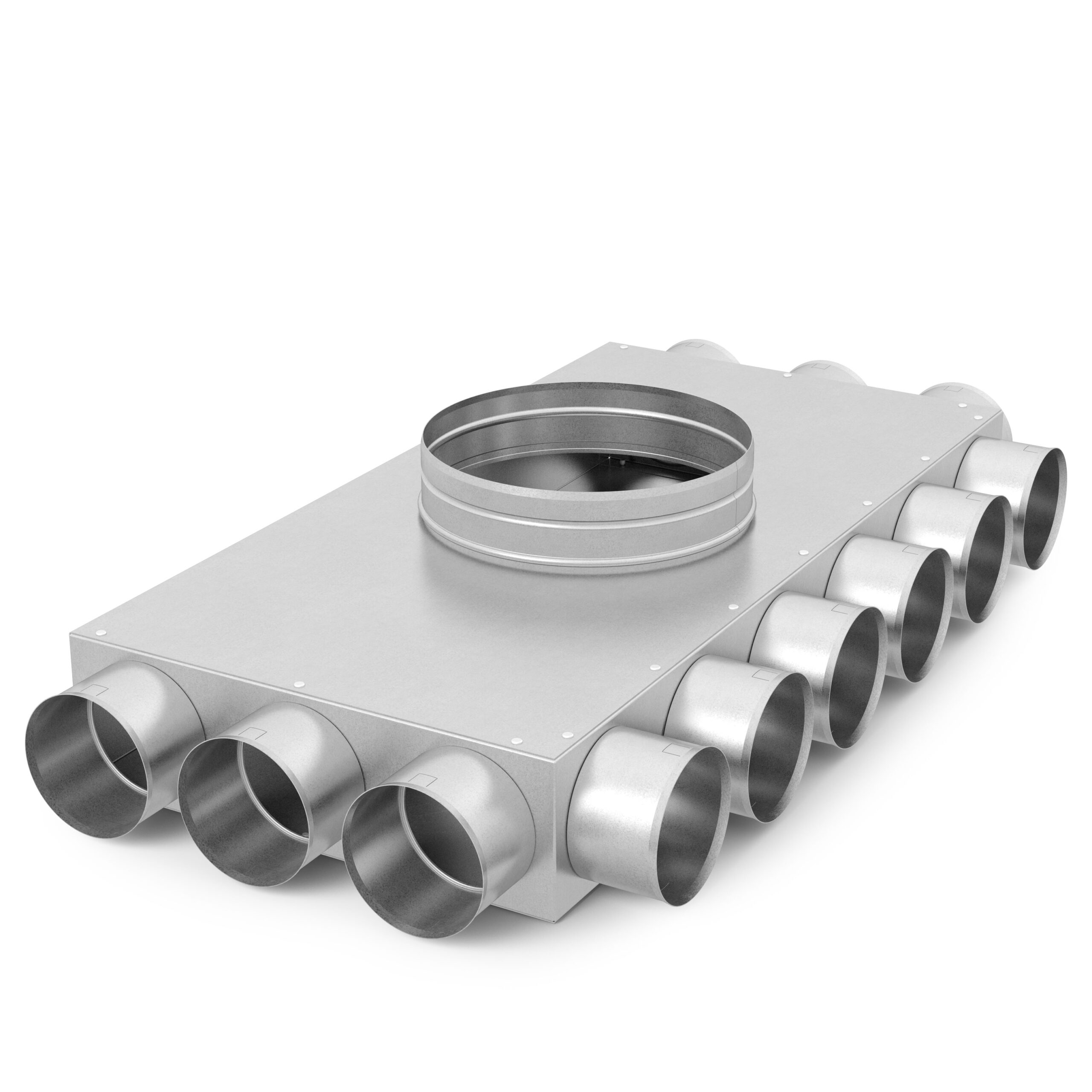
The core objective of this studio product CGI project was to generate ultra-high-definition packshots of industrial sheet metal and HVAC hardware. For manufacturers of technical components, traditional studio photography fails due to micro-scratches on polished surfaces, uncontrollable studio reflections, and the difficulty of capturing crisp internal geometric details. The studio engineered a standardized virtual lighting stage to generate flawless digital twins. The primary purpose was to provide the client with clean, isolated commercial assets for e-commerce platforms, technical datasheets, and print catalogs, ensuring absolute consistency across an extensive product catalog.

Technical CGI Engineering

  • Scope – High-resolution studio product packshots and macro configuration renders for a diverse inventory of industrial HVAC metal components.

  • Inputs – Direct manufacturer manufacturing CAD assets (.step and .iges files), structural component charts, and official industrial coating datasheets.

  • Metallic Shader Matrix – Engineered advanced PBR material networks to precisely differentiate between galvanized steel, brushed zinc surfaces, and matte powder-coated finishes, setting accurate anisotropic reflection vectors.

  • Micro-Surface Defect Mapping – Added controlled micro-roughness variations and subtle surface noise to replicate the authentic texture of industrial sheet metal processing without sacrificing product cleanliness.

  • Geometric Fidelity and Edge Bevels – Enforced strict sub-millimeter edge bevels on all sheet metal lips, laser-cut vents, and fastener threads to ensure corners capture sharp studio highlights.

  • Studio Lighting Control – Built a virtual cross-polarized softbox array paired with high-contrast reflector cards to sculpt the metallic silhouettes cleanly, ensuring zero unwanted ambient bleeding.

  • Multi-Pass Rendering Optimization – Set up automated render passes for diffuse, specular, and ambient occlusion channels to guarantee 100% consistent output framing and exposure for future inventory additions.

The Business Outcome

Transitioning the product catalog into a controlled digital twin ecosystem solved the manufacturer logistical bottlenecks. Bypassing the need to clean, ship, and physically stage heavy metal prototypes cut production marketing costs by 50%. The resulting high-resolution packshots gave the client an agile, standardized visual library, facilitating immediate web-store updates and professional B2B catalog publishing. This visual clarity eliminated purchasing friction for technical engineers and purchasing managers, accelerating the wholesale sales cycle.

Project FAQ

How do you ensure that highly reflective metal surfaces do not catch unwanted studio reflections?

We construct a completely isolated virtual studio environment around the product CAD mesh. By utilizing digital black flags and white reflector cards instead of uncontrolled physical surroundings, we dictate exactly where reflections occur on the polished or brushed metal sheets. This precise control allows us to highlight the geometric contours of the HVAC components while keeping the product completely clean and free of digital noise.

What inputs are necessary to ensure the 3D packshots match our actual manufactured components?

We work directly with your production-ready CAD files, such as STEP, IGES, or SolidWorks models, to ensure 100% geometric accuracy. For surface finishes, we require official technical specifications, such as standard RAL color codes, gloss ratings (matte, satin, or high-gloss), or material descriptions (e.g., galvanized steel or brushed aluminum). This technical data allows us to calibrate the PBR shaders to match the physical properties of the product line.

Can these studio packshots be updated if the product design changes slightly in the future?

Yes, our asset pipeline is completely non-destructive and modular. The camera angles, lighting configurations, and material shaders are saved as a permanent digital template. If an HVAC component undergoes an engineering modification or receives a new powder-coated color option, we simply swap the updated CAD mesh into the existing studio file and re-render, ensuring perfect visual consistency across the entire catalog at a minimal cost.

Why are micro-bevels important for industrial sheet metal product renders?

Industrial sheet metal often features sharp, laser-cut edges. In computer graphics, a mathematically sharp 90-degree edge does not catch light and looks artificially flat. By modeling sub-millimeter bevels onto every metal edge and seam, we allow our studio lights to graze the corners naturally. This generates subtle highlights that provide the product with essential structural depth, crisp outlines, and realistic volume.

Ready to Accelerate Your Commercial Pre-Sales?

From architectural blueprints to high-fidelity CGI and immersive interactive virtual tours. We engineer visual assets that streamline investor approval loops, maximize property value, and drive conversions.

Discuss Your Project