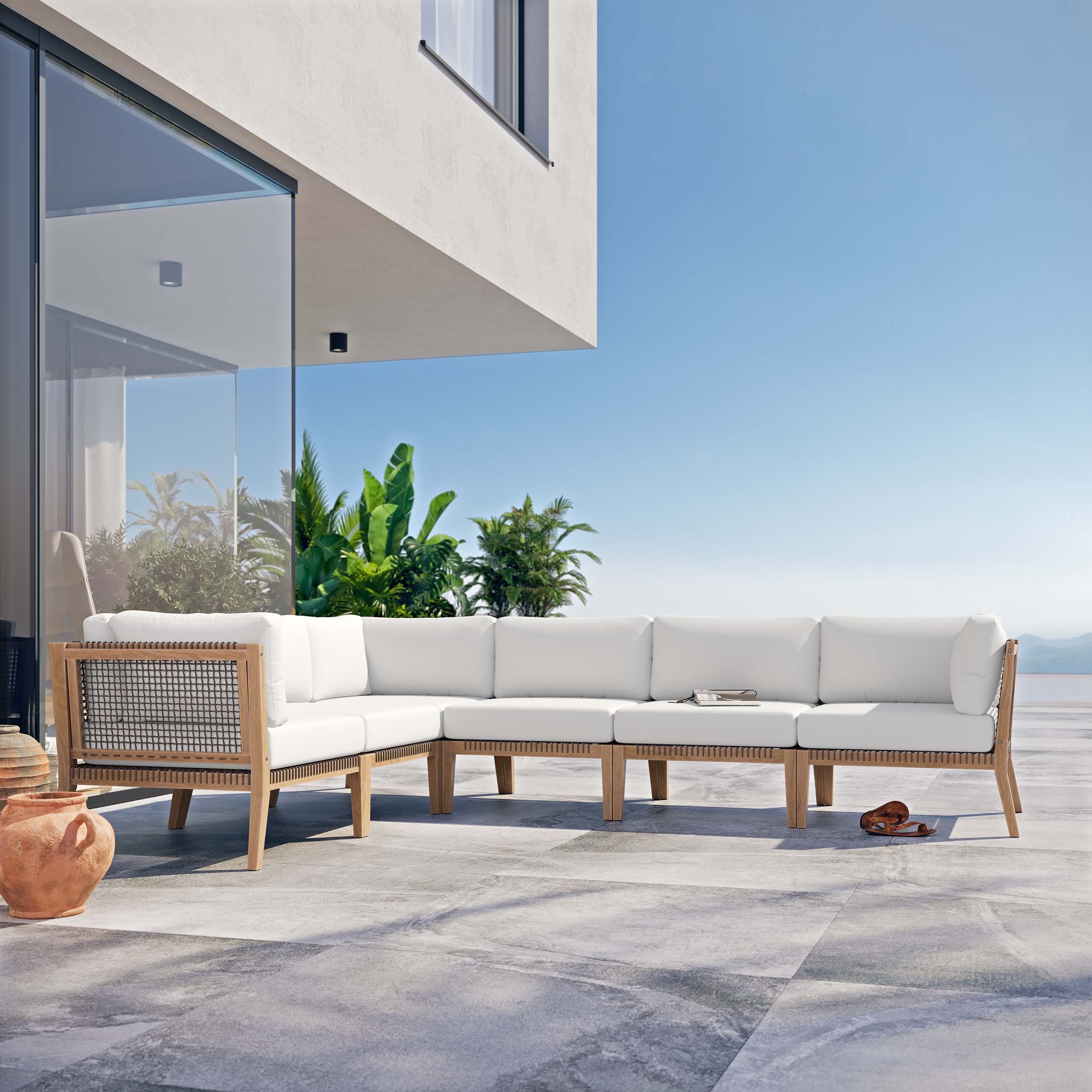
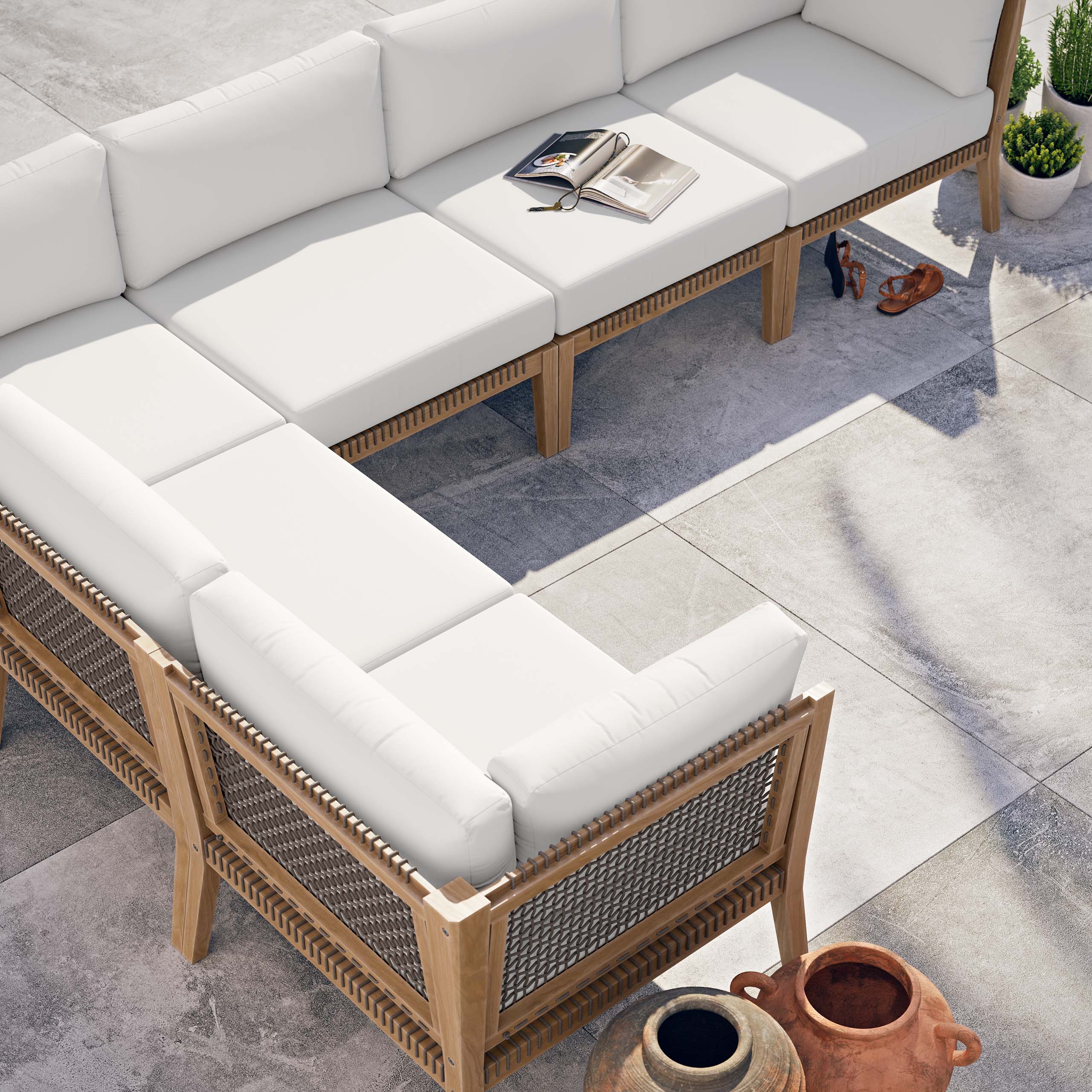
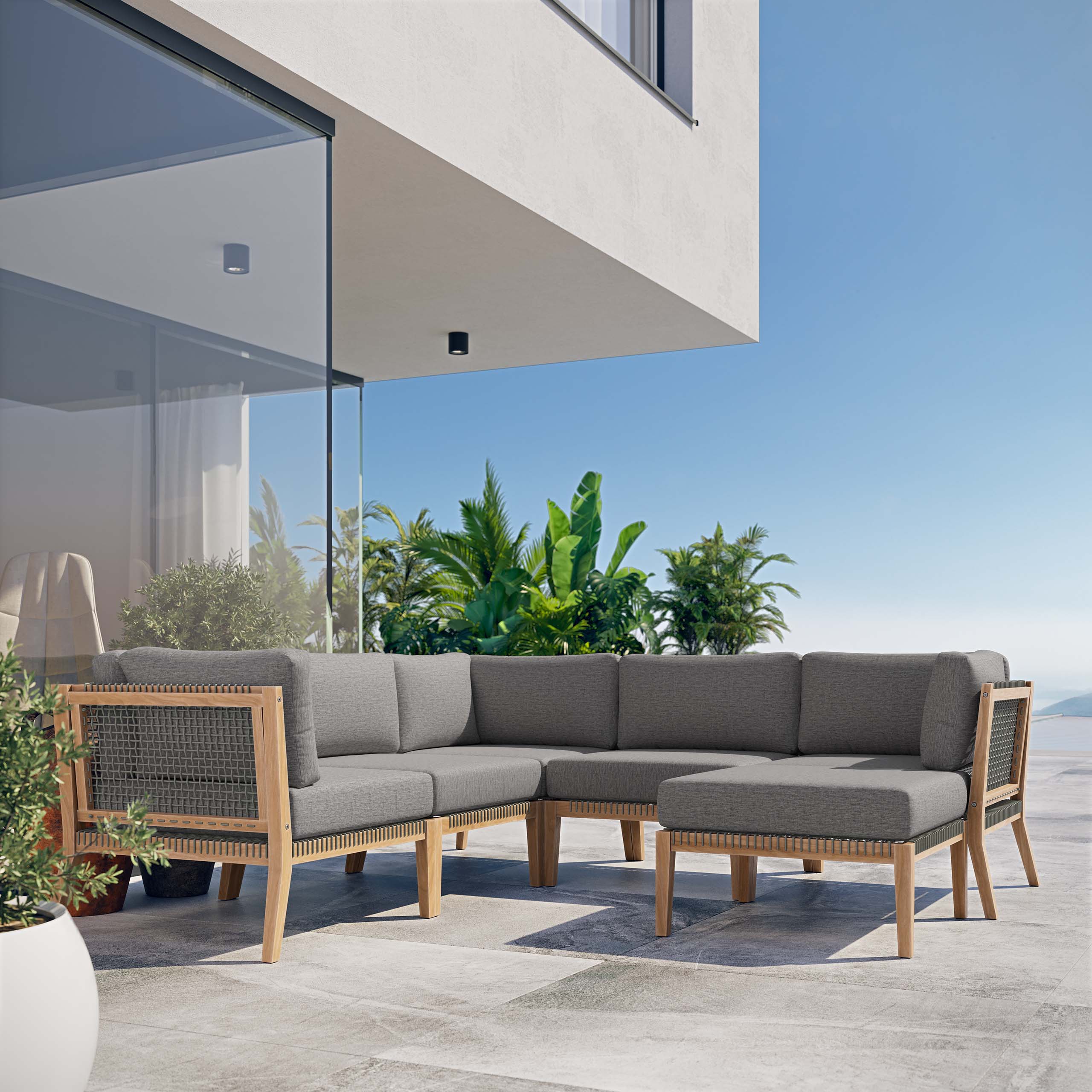
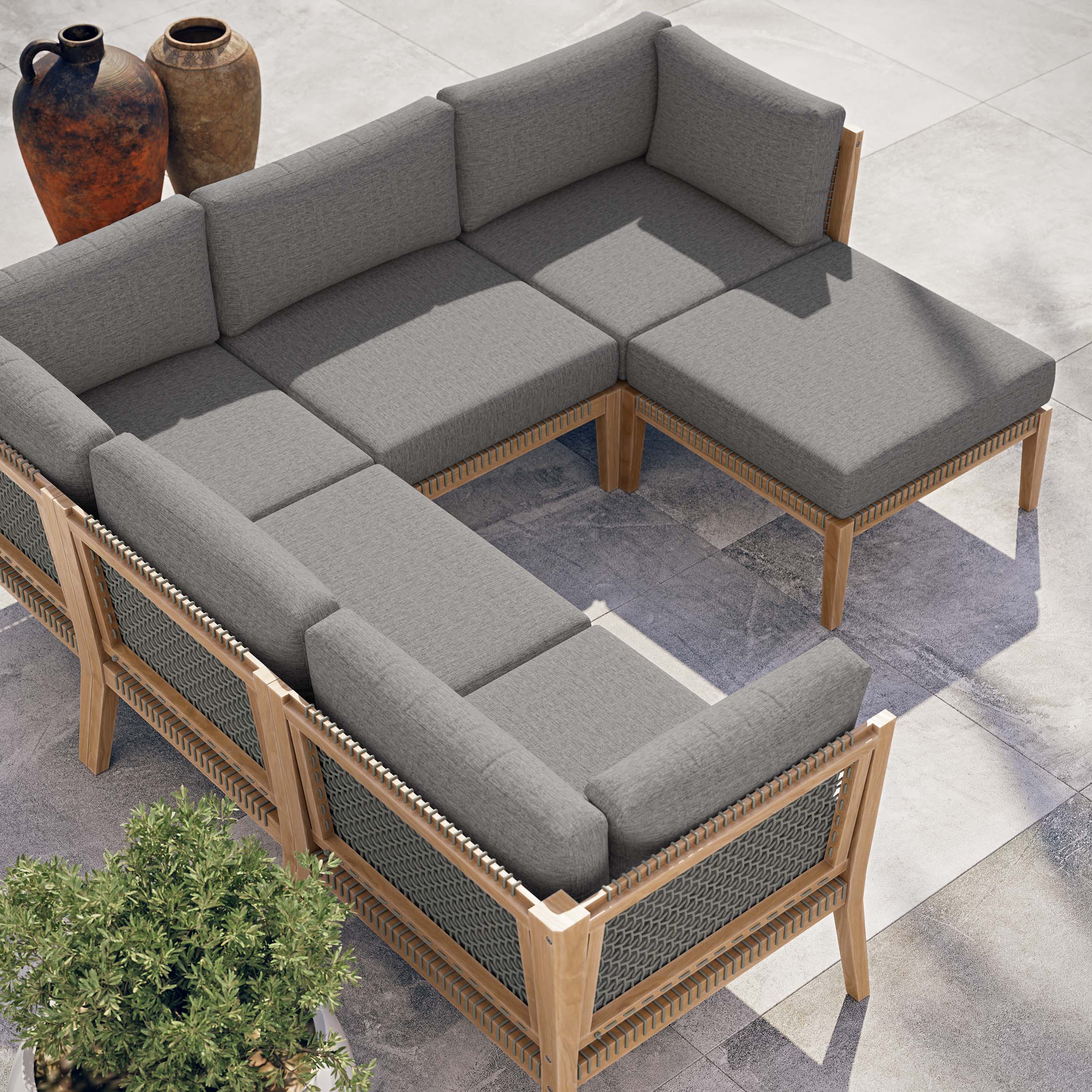
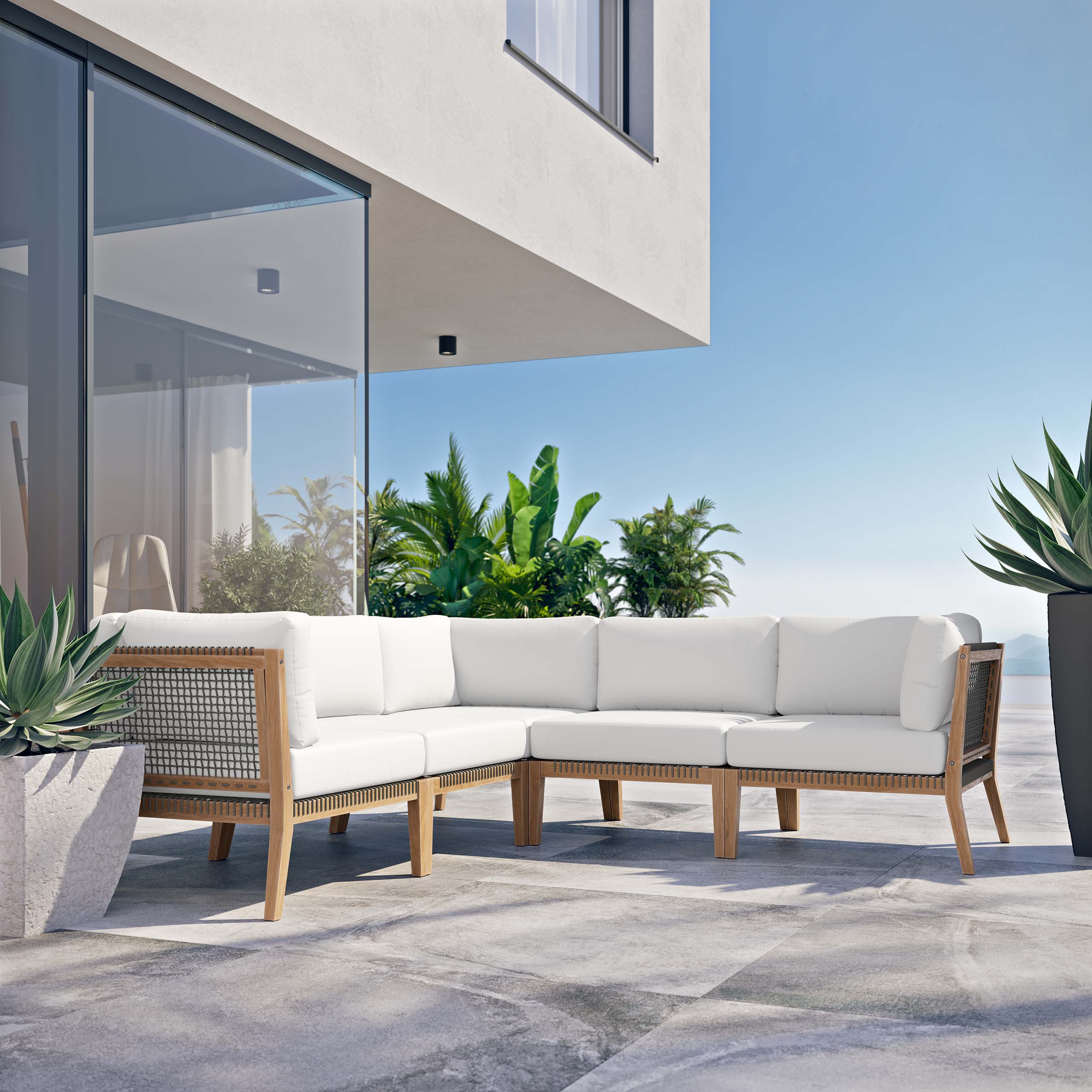
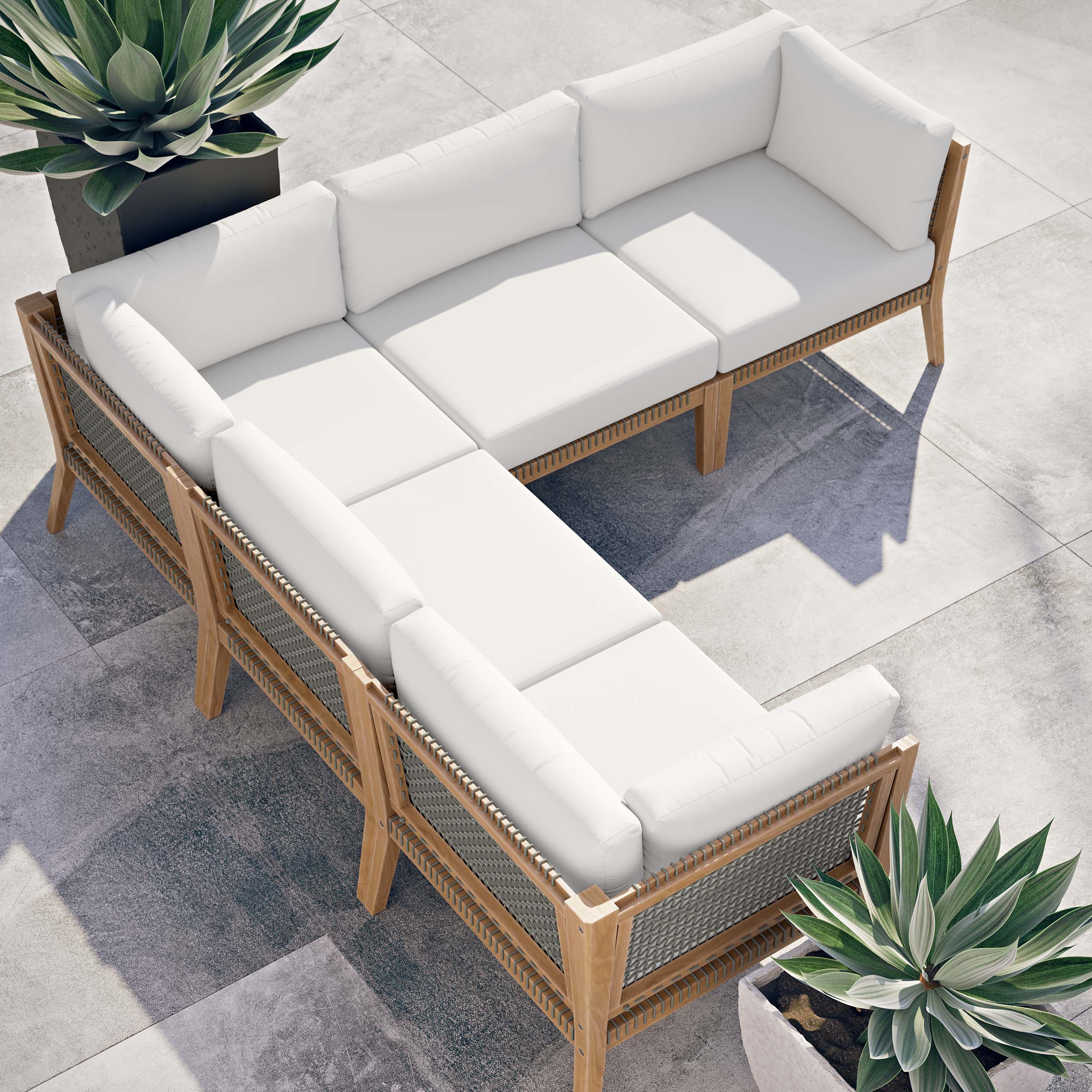
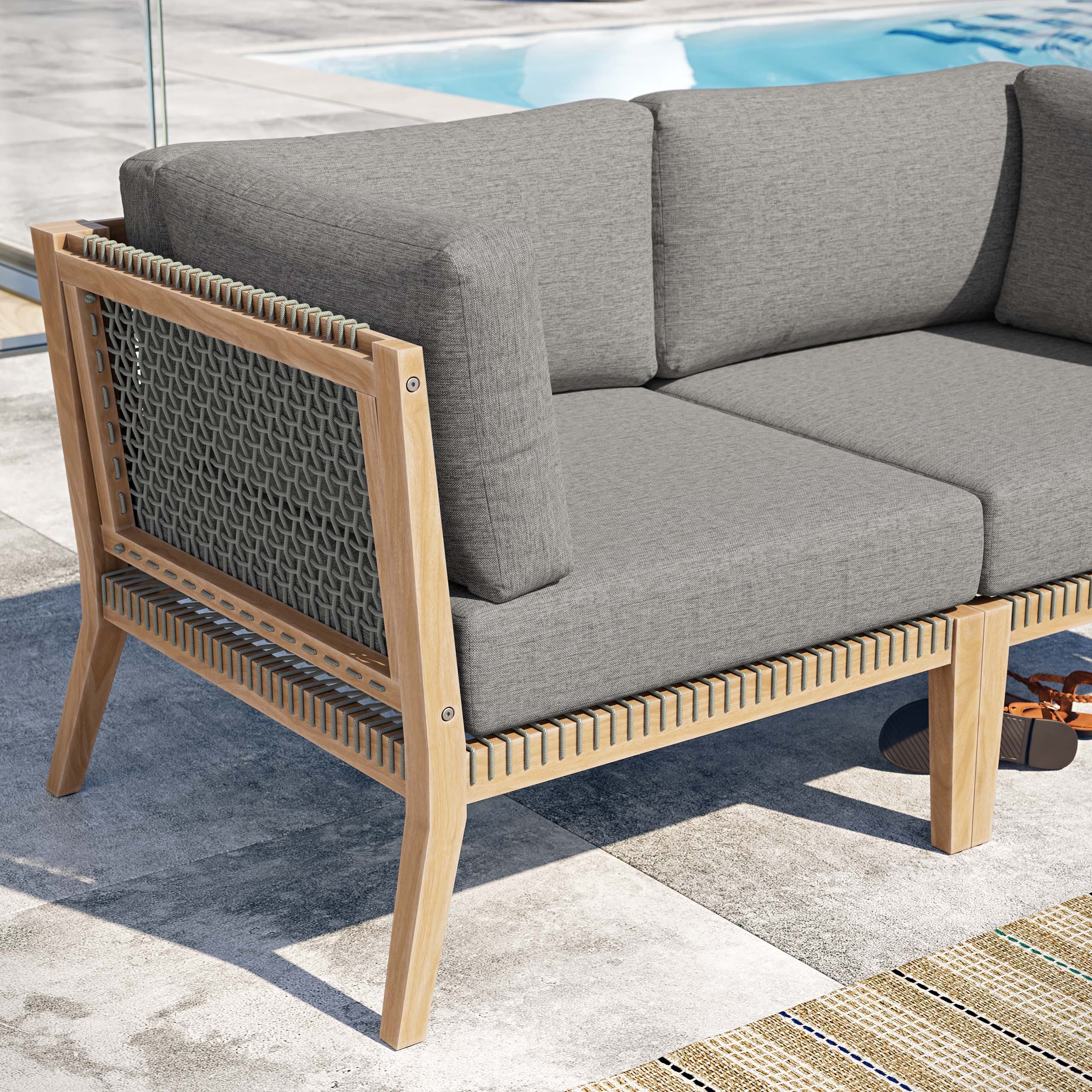
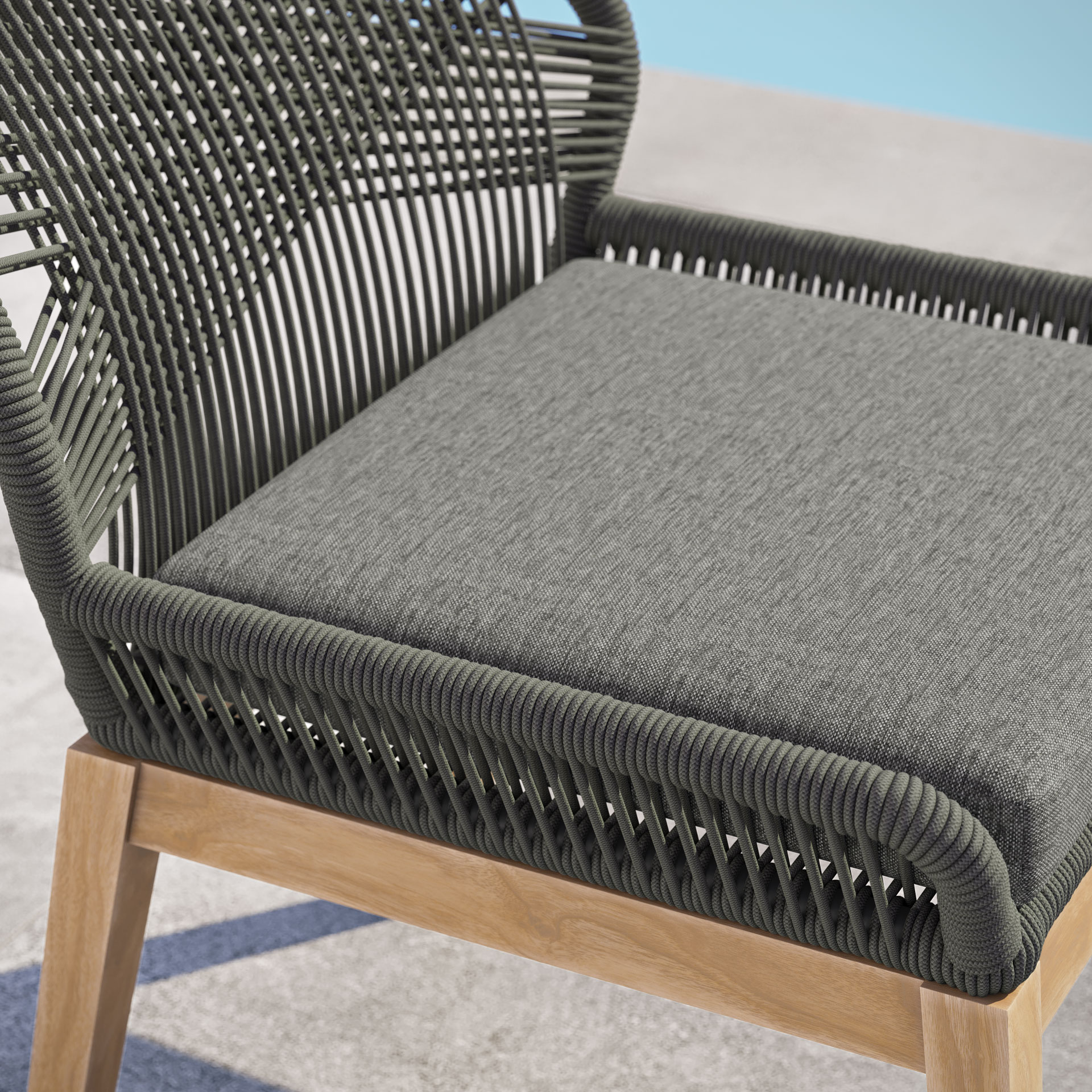
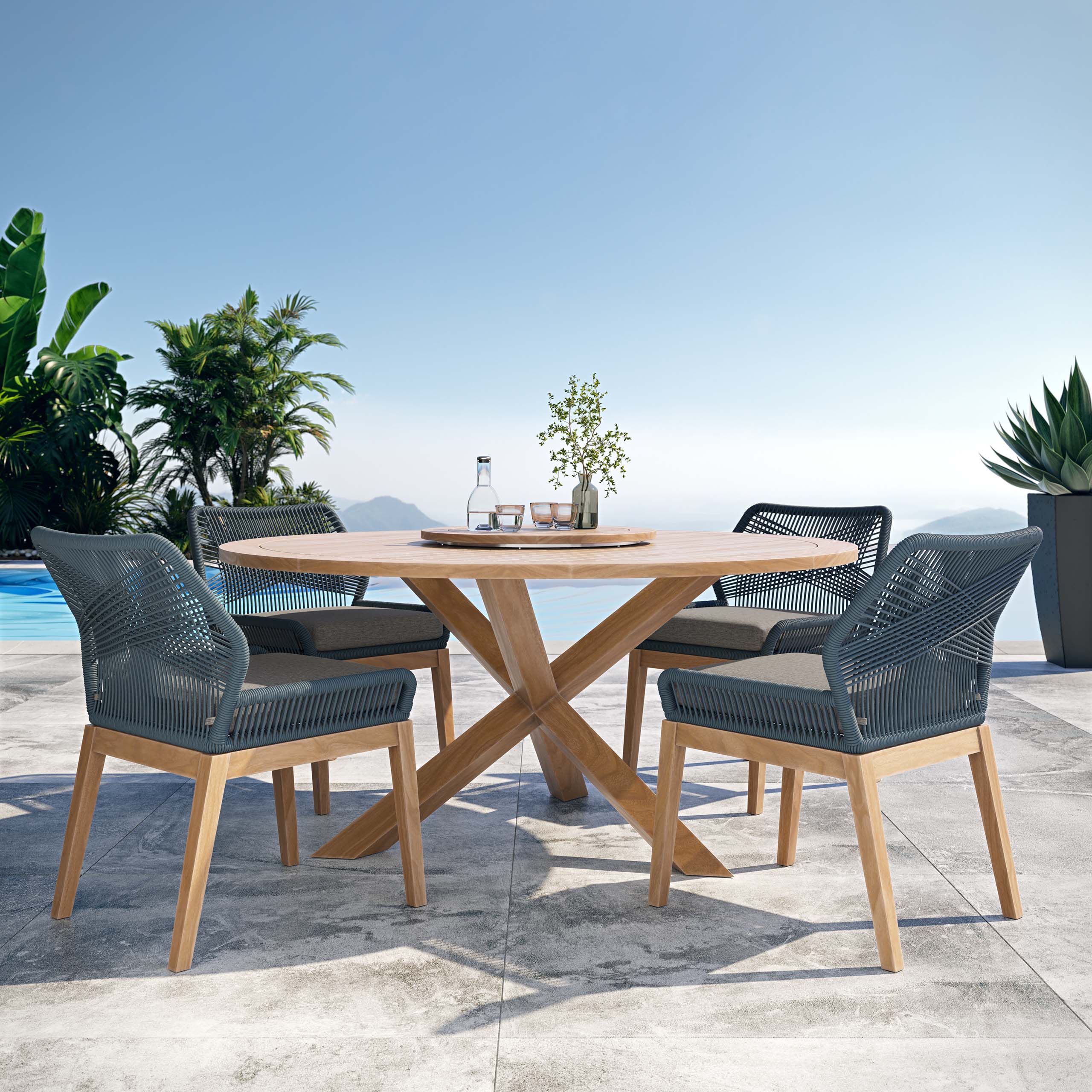
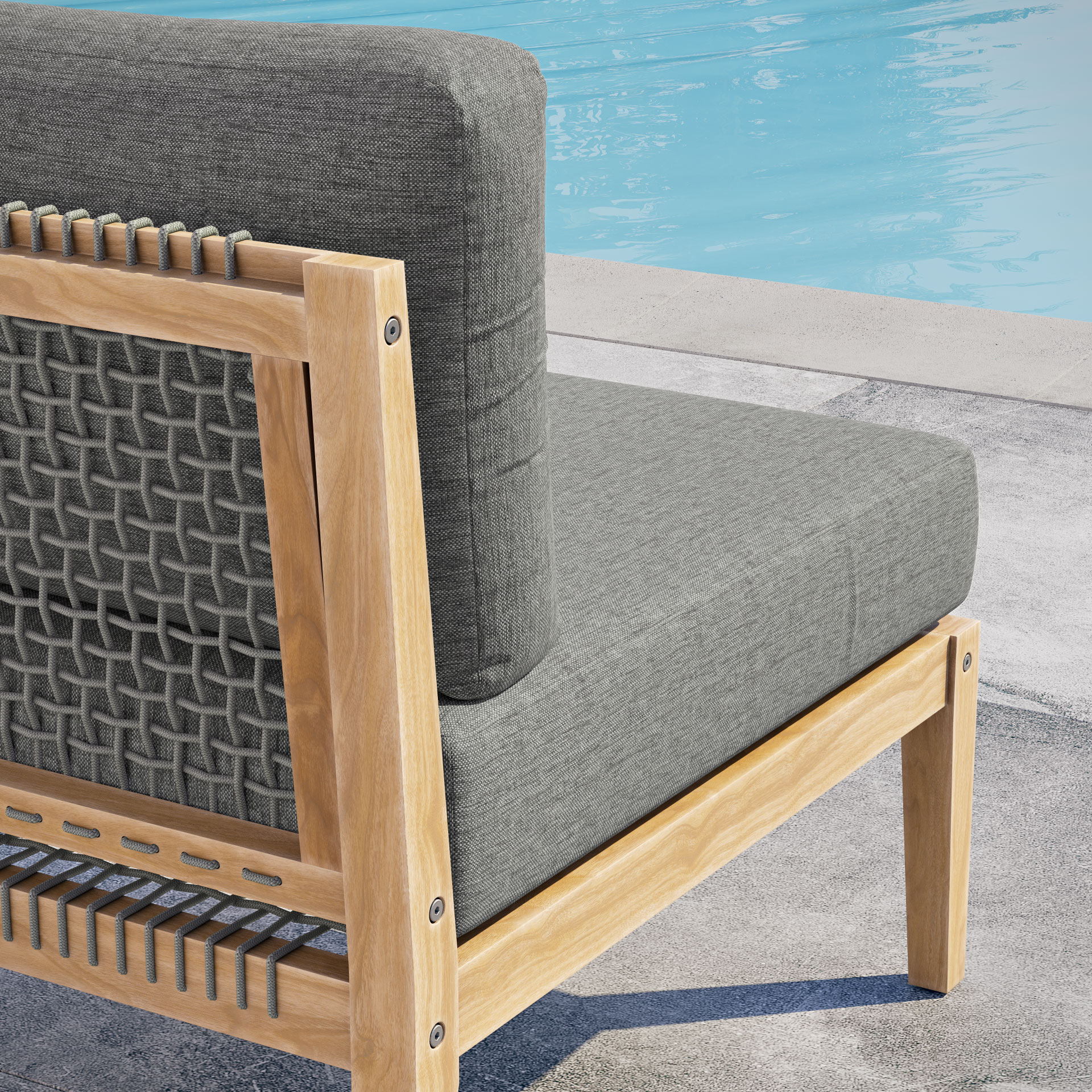


We combined procedural curve modeling with high-frequency micro-displacement maps applied to each individual strand. By introducing subtle, randomized variations in the braid tension, alignment, and spacing, we broke up the artificial uniformity typical of digital models. Additionally, a specialized fabric shader with microscopic surface fuzz was layered over the geometry to capture the natural wear and fiber fraying of outdoor rope, ensuring absolute tactile realism under close-up framing.
Teak contains high amounts of natural oils and rubber, which create an irregular surface roughness profile that changes depending on weathering, sanding, and grain direction. Instead of utilizing uniform specular values, we developed a multi-layered roughness map that dictates exactly where the wood appears dry and porous versus where the natural oils catch the specular highlights. This open-pore structure requires anisotropic reflection models to correctly scatter light along the growth rings.
Yes, every furniture item was engineered as an independent, dimensionally perfect digital twin with non-destructive material mapping. The assets are fully decoupled from the environment lighting, meaning they can be instantly imported into any outdoor terrace, modern garden, or indoor showroom scene. This allows the marketing team to refresh their visual campaigns across different seasons without incurring new modeling or photography overheads.
From architectural blueprints to high-fidelity CGI and immersive interactive virtual tours. We engineer visual assets that streamline investor approval loops, maximize property value, and drive conversions.
Discuss Your Project