CHIMNEYS

The Goal

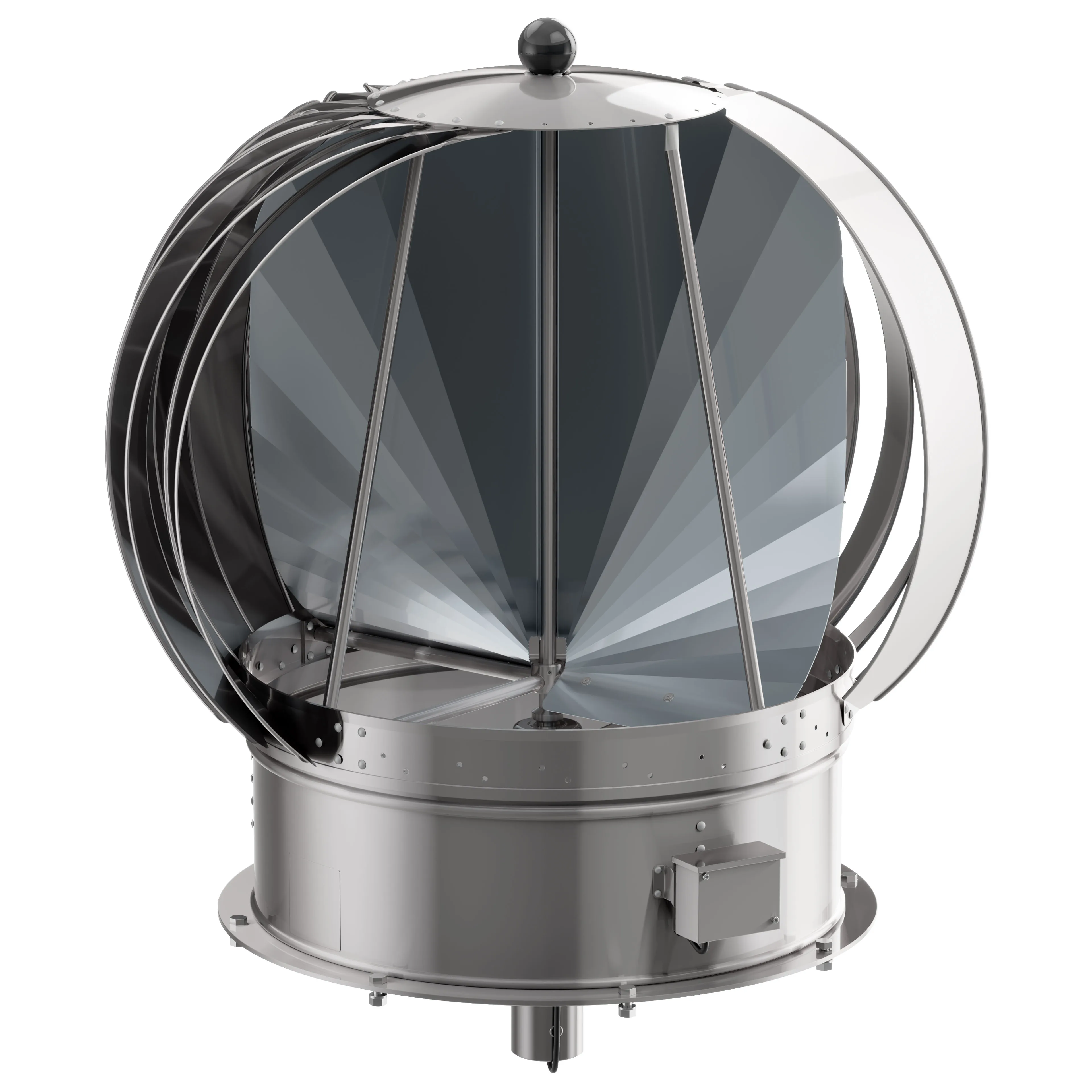
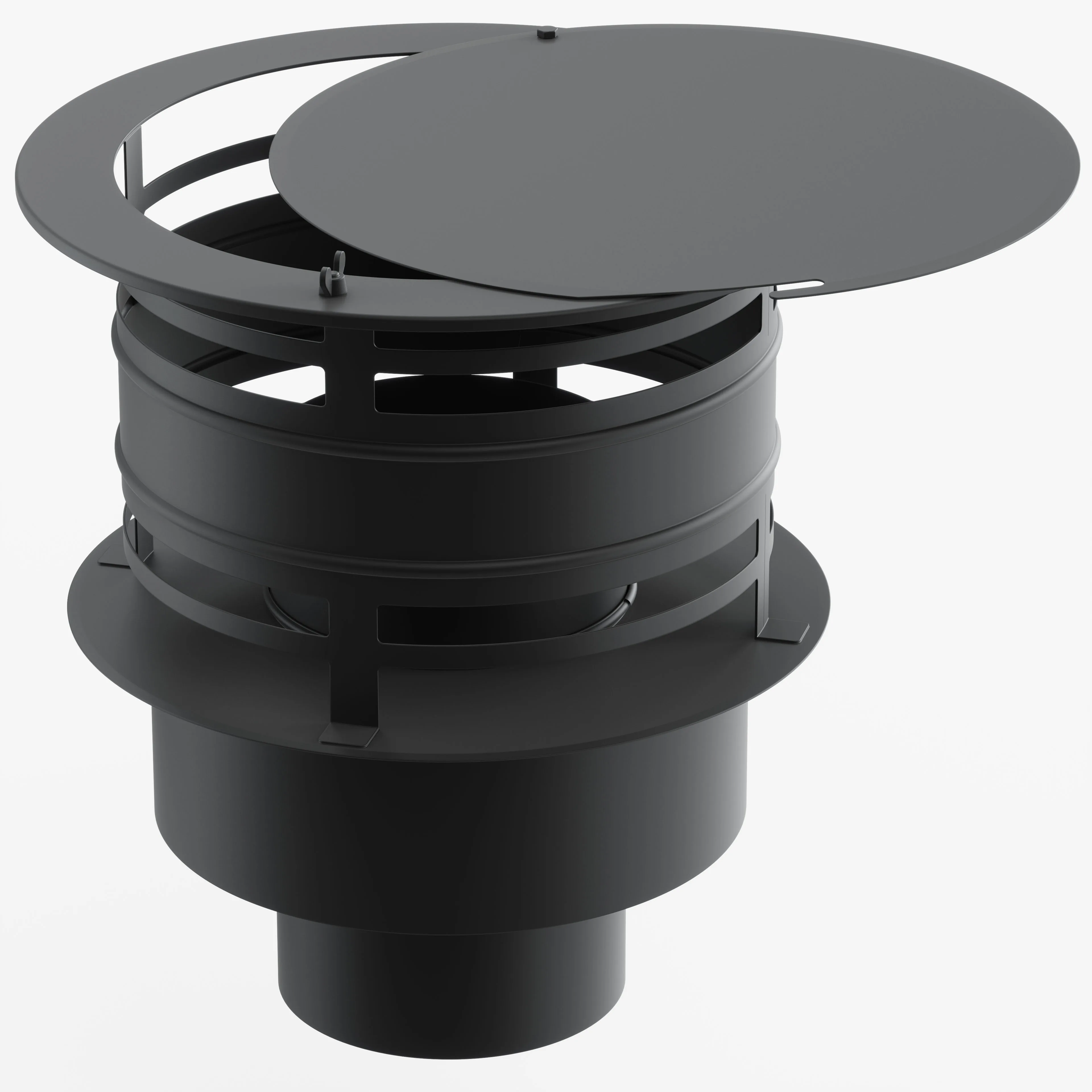
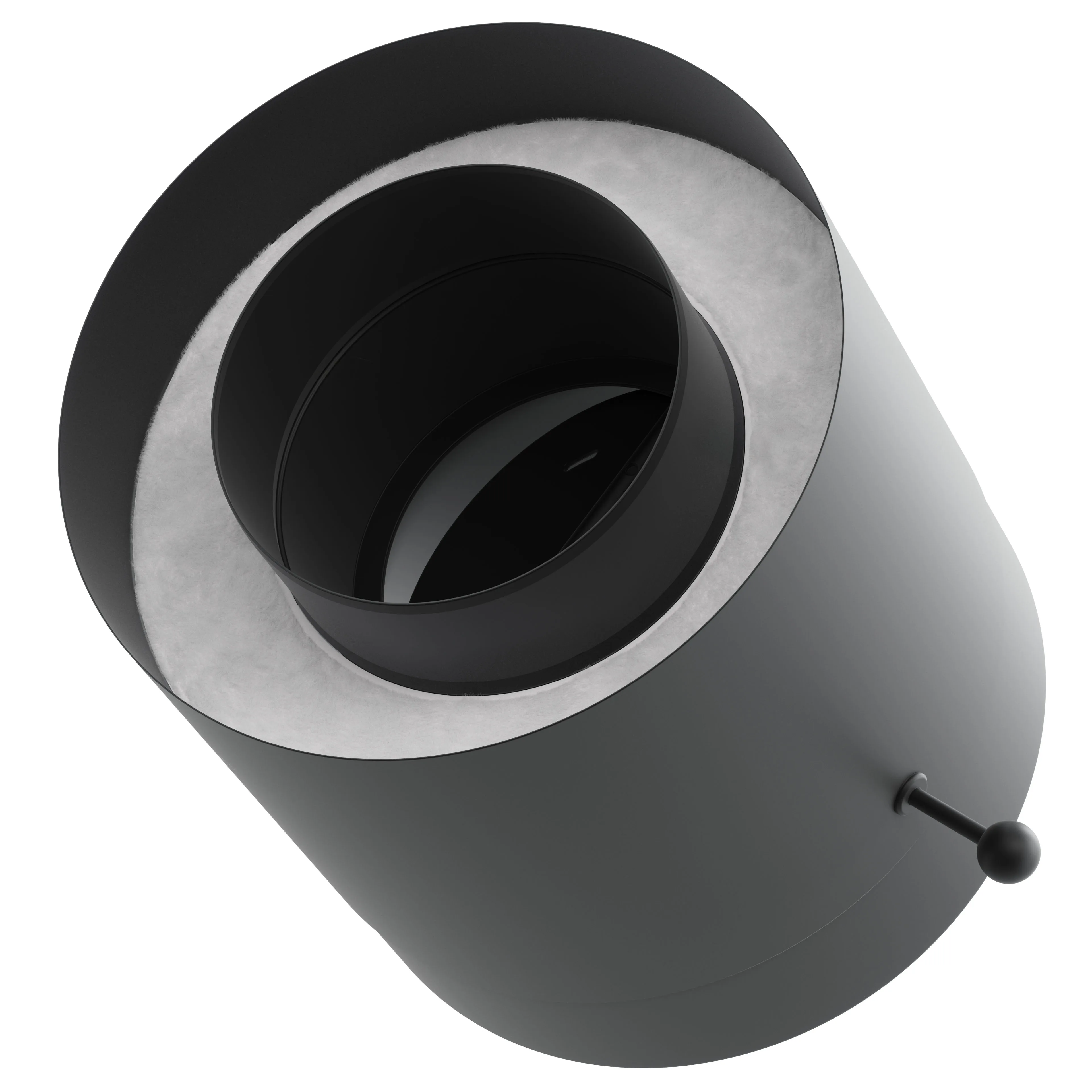
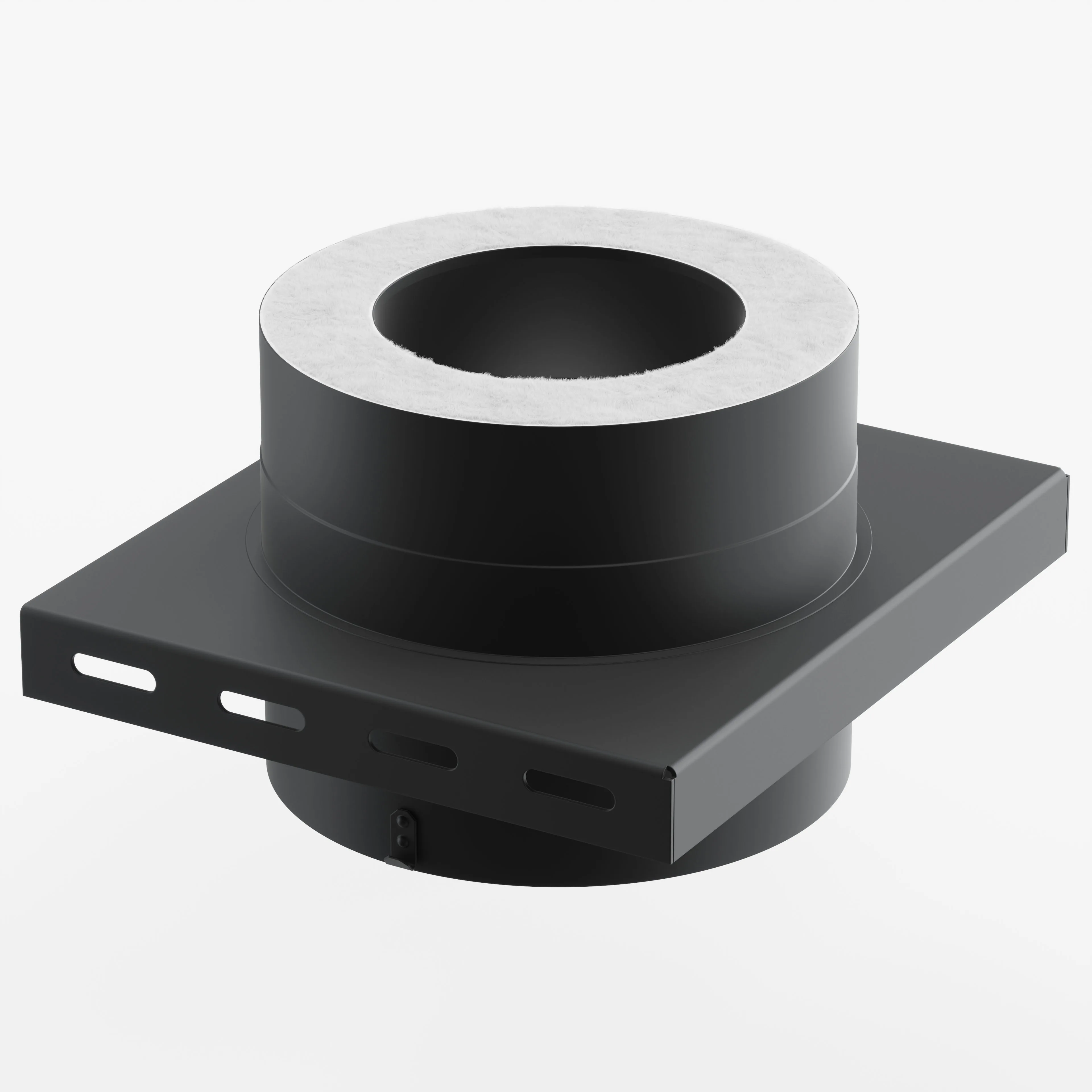
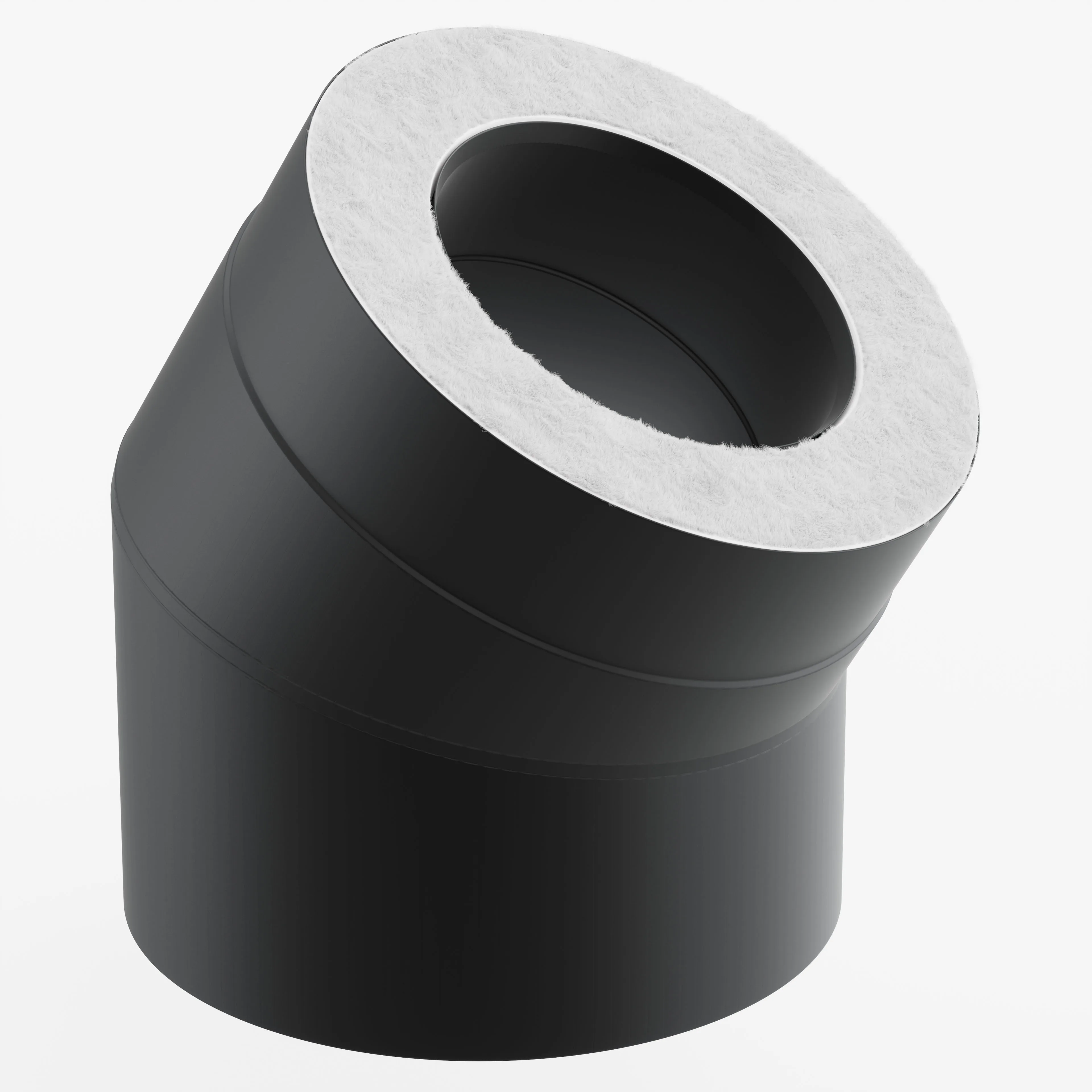
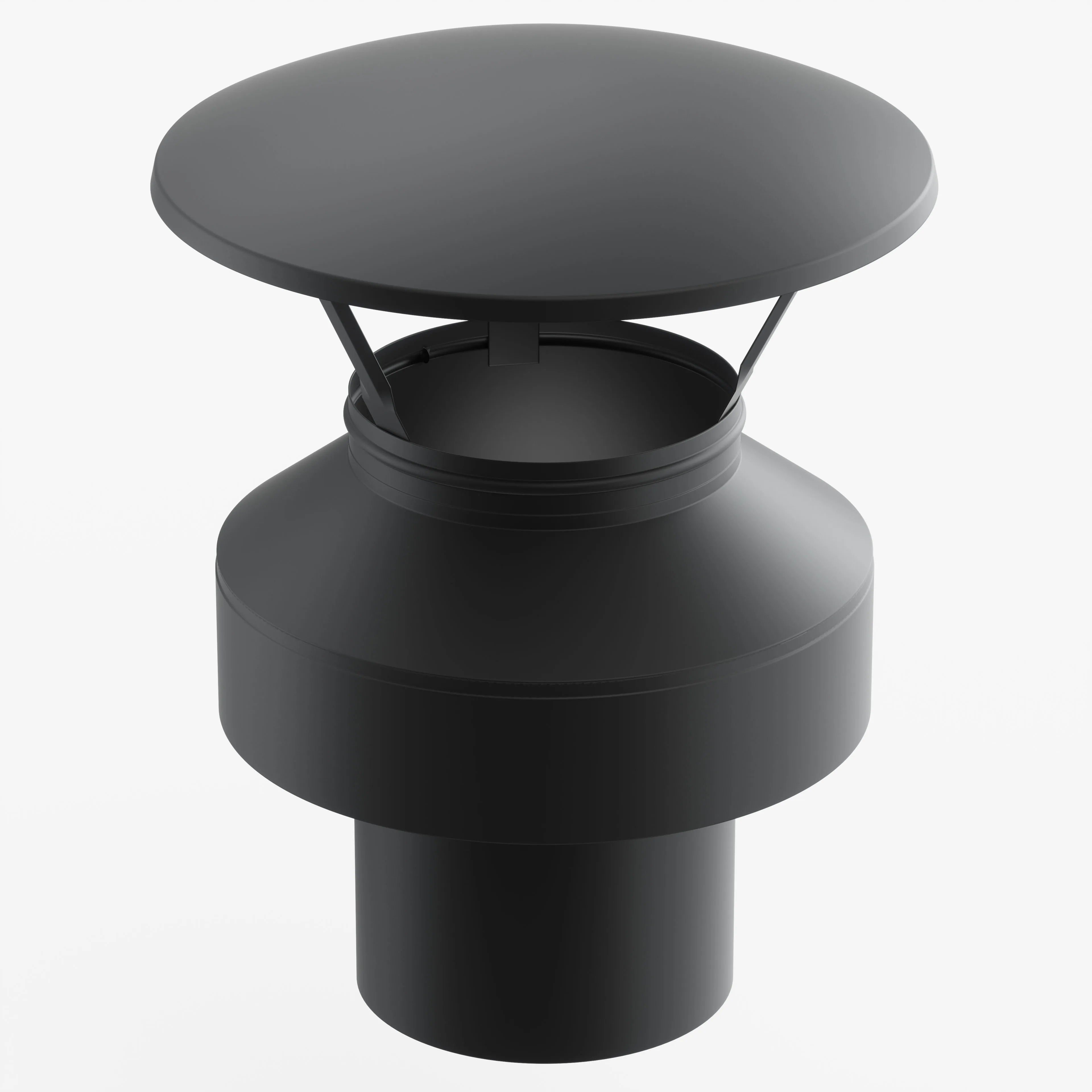
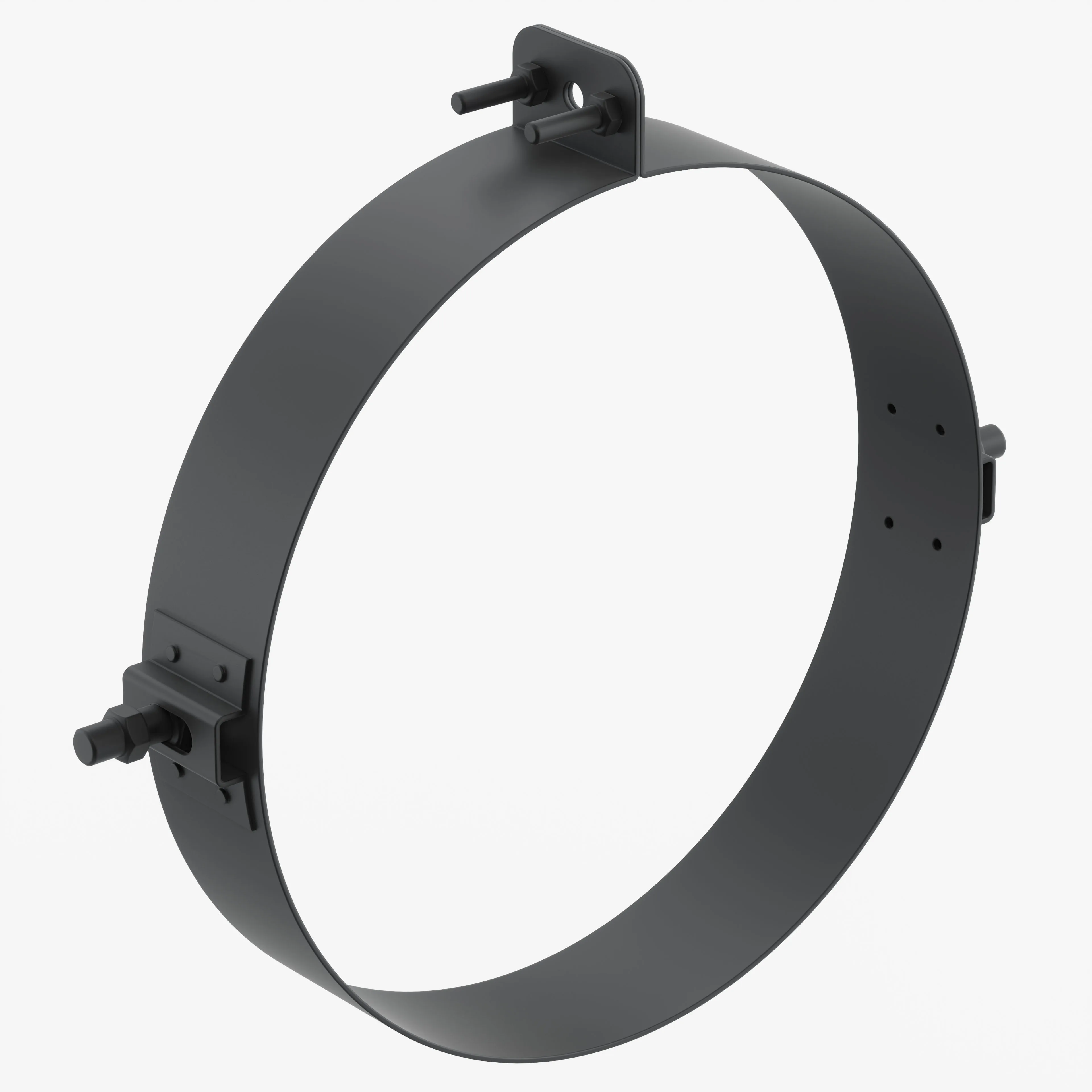
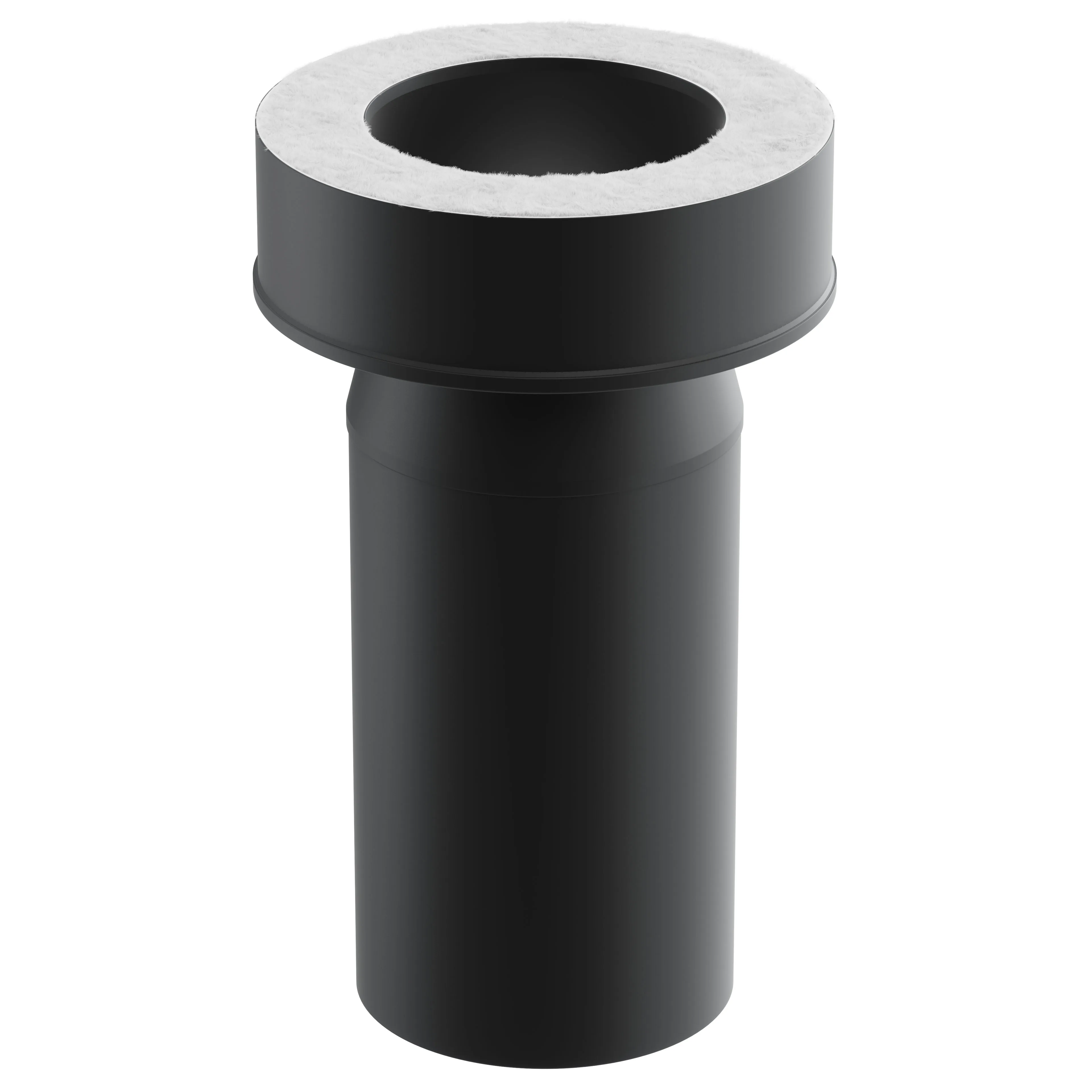
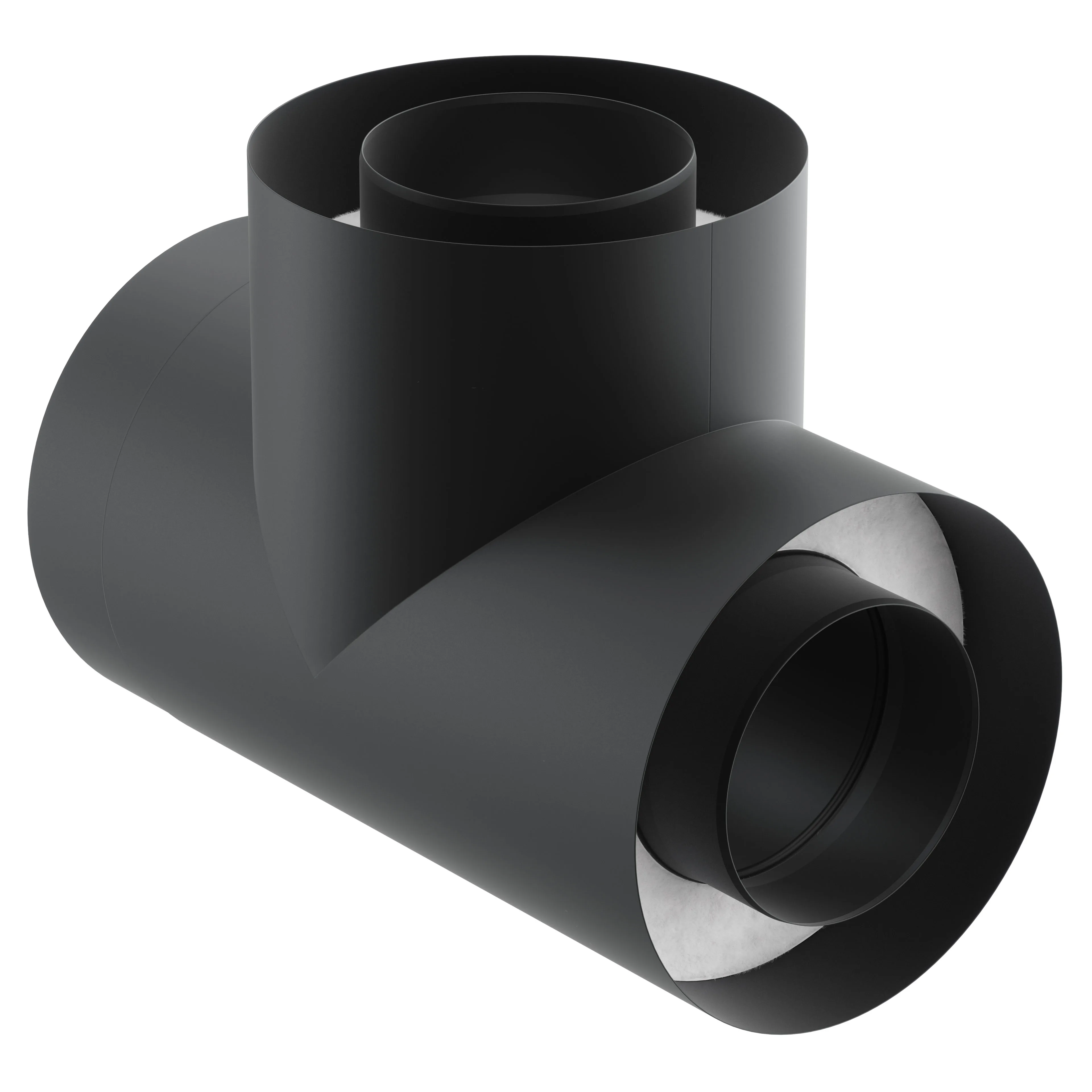
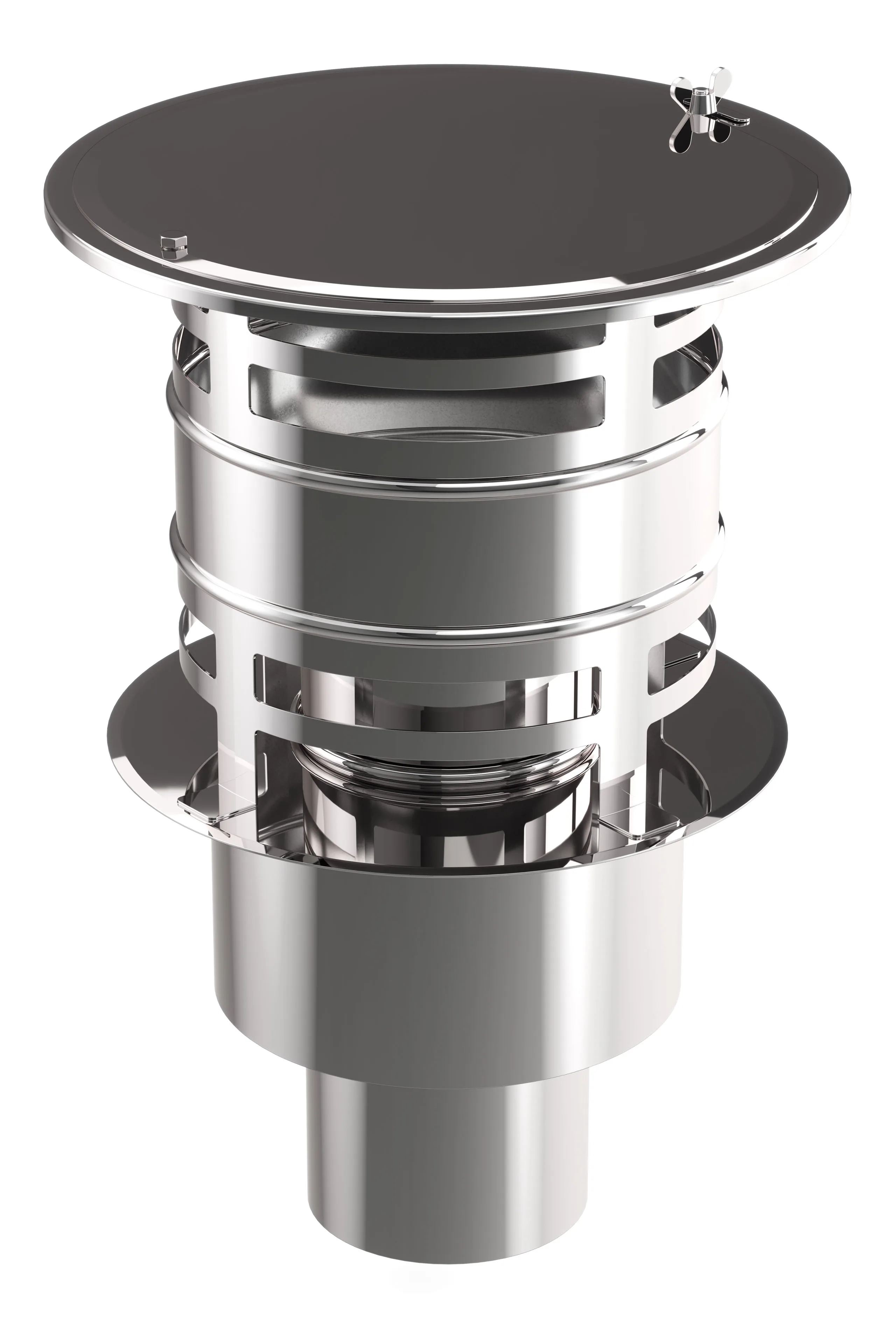
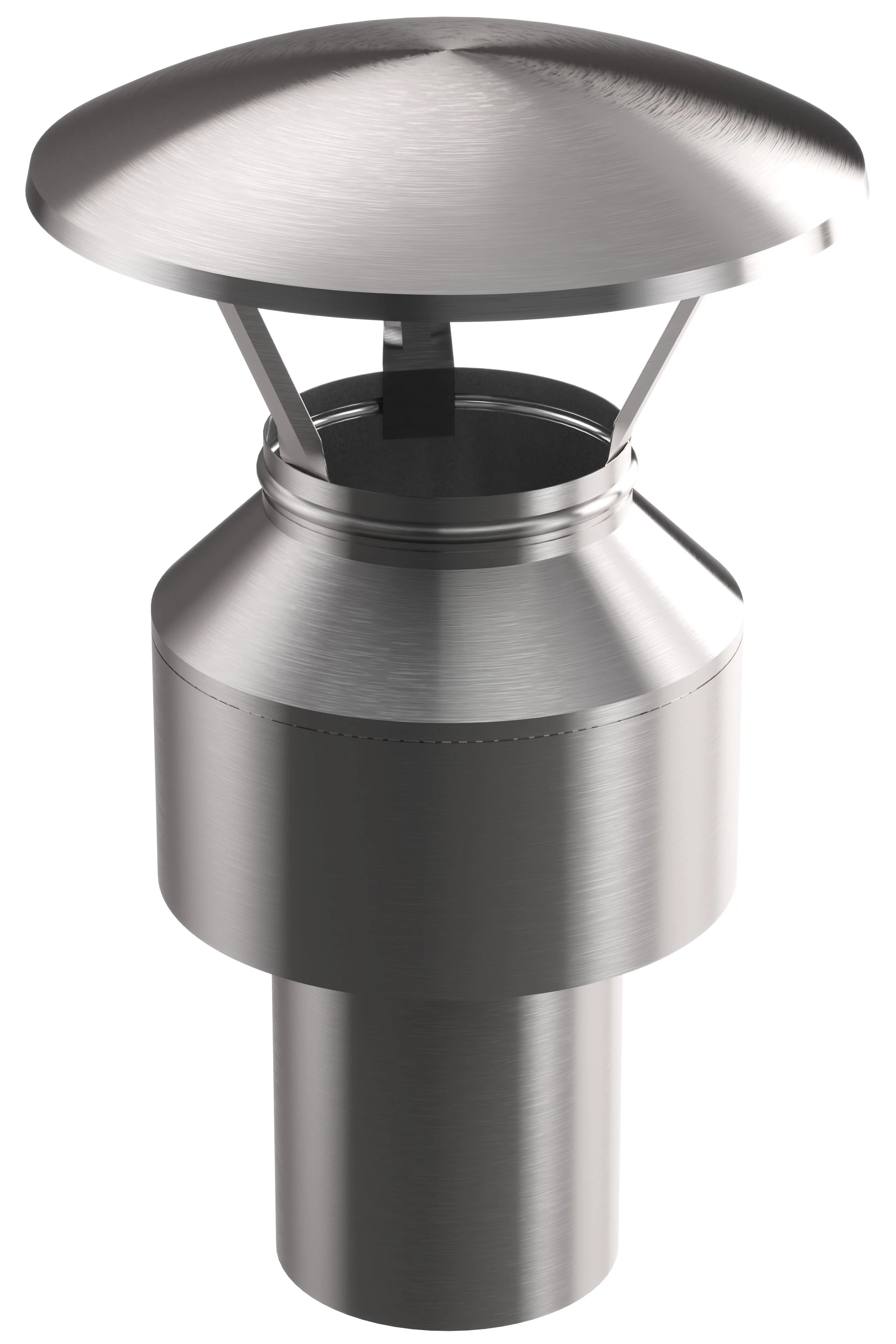
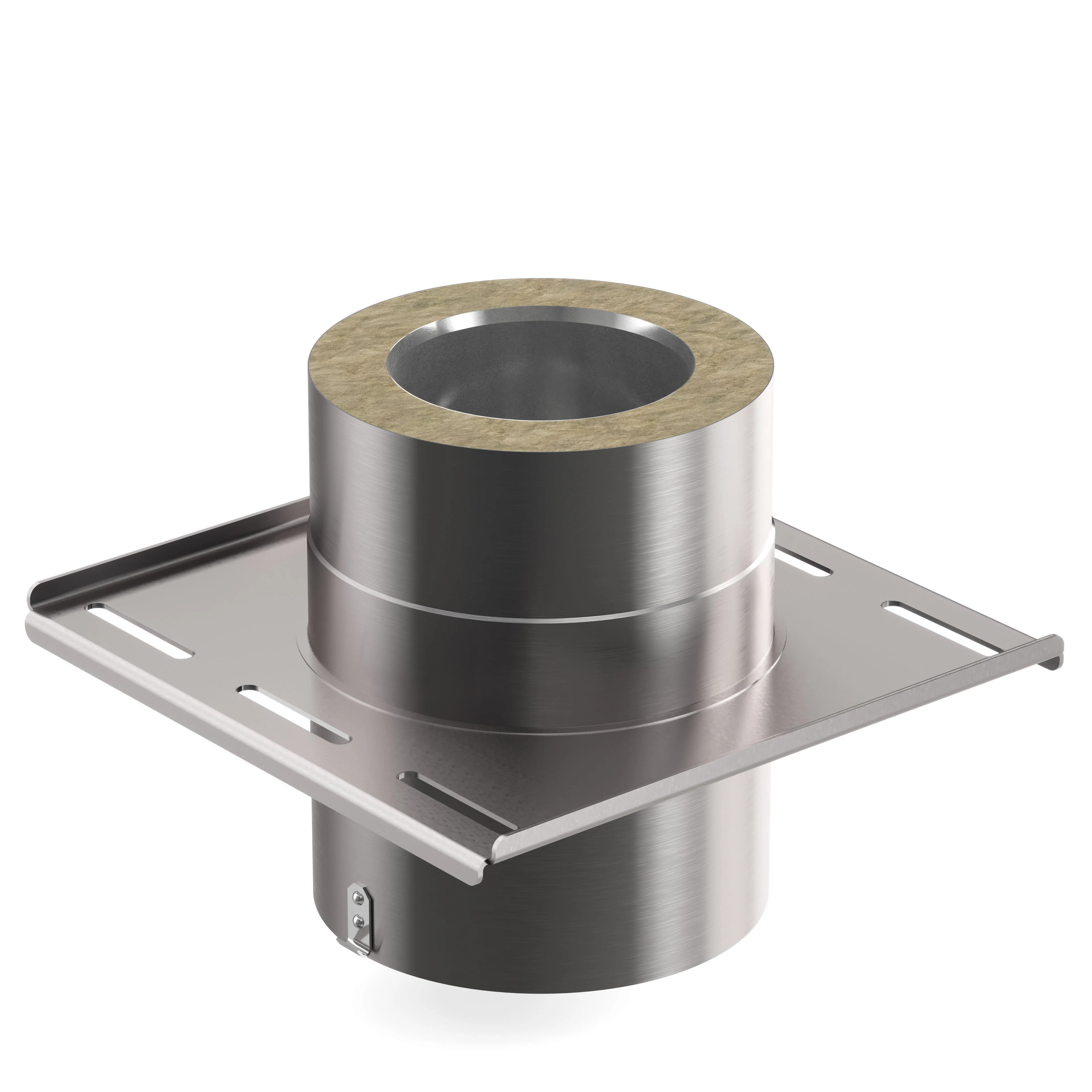
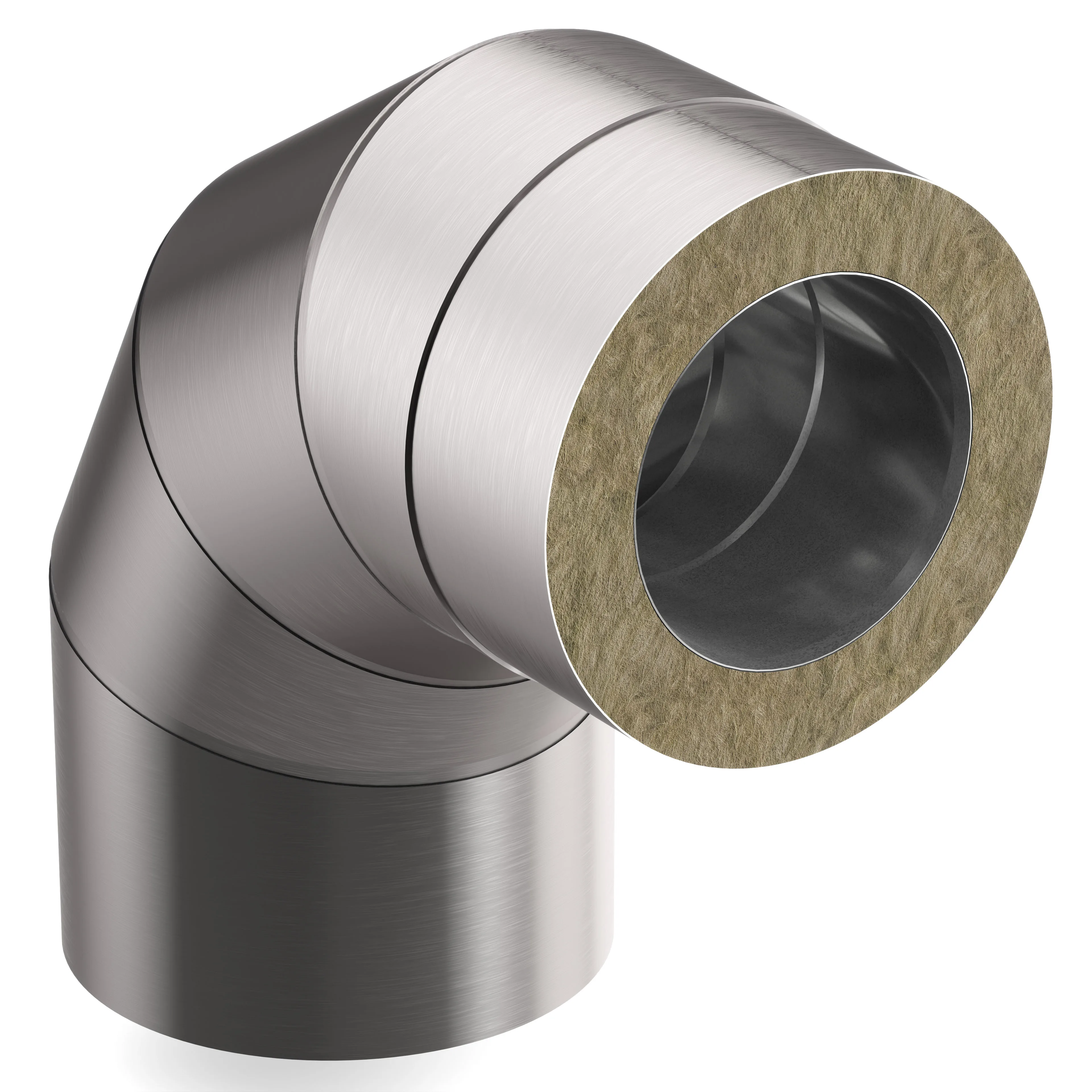
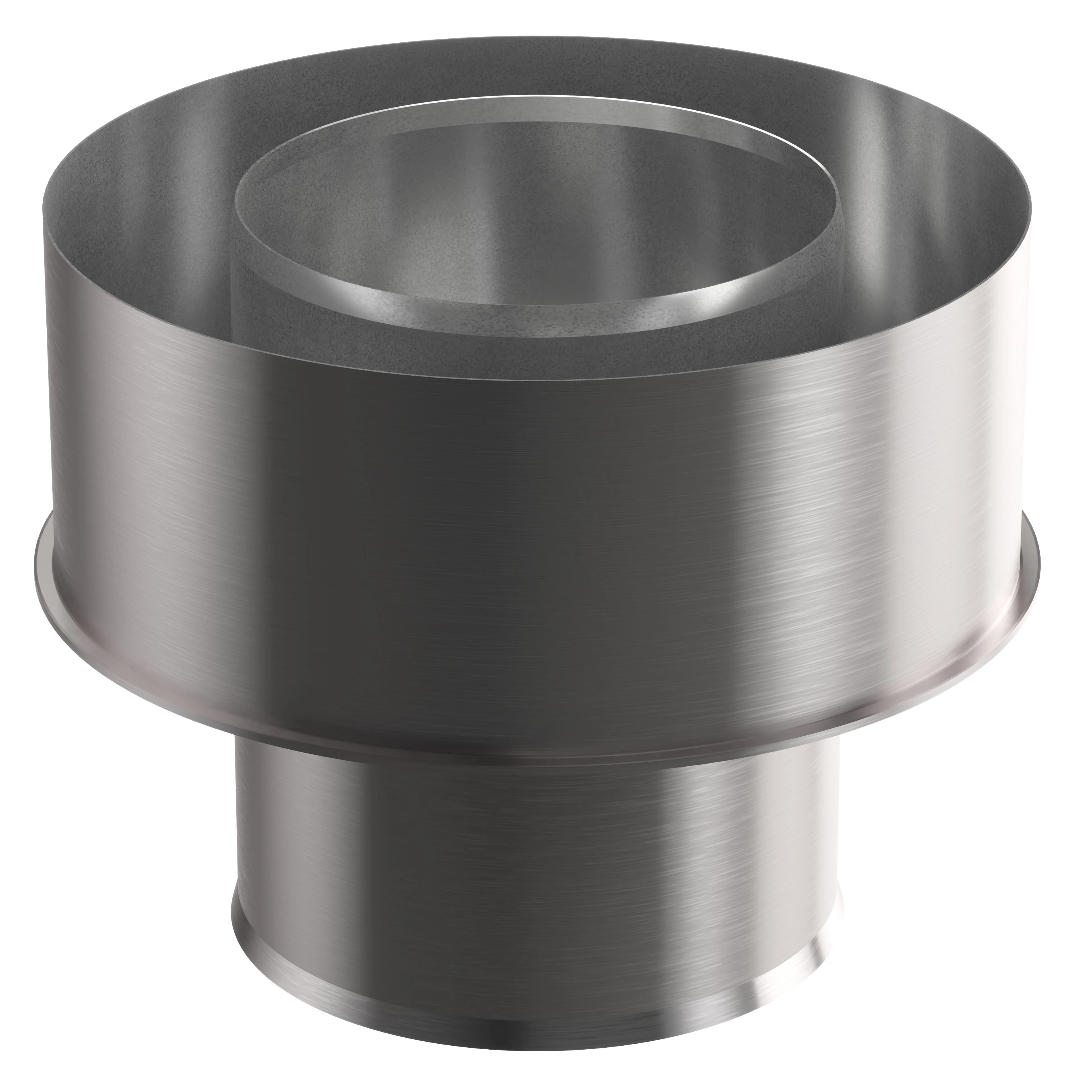
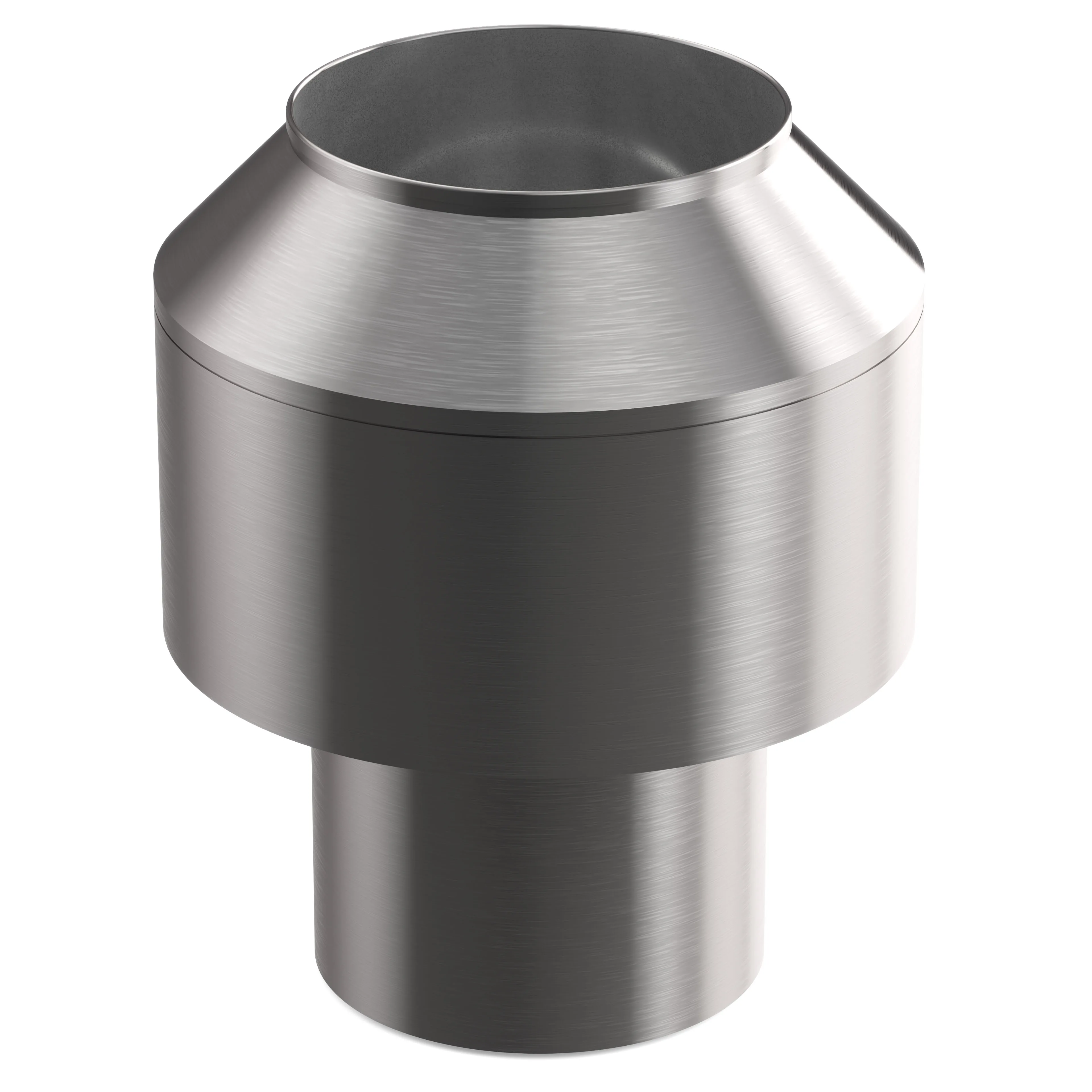
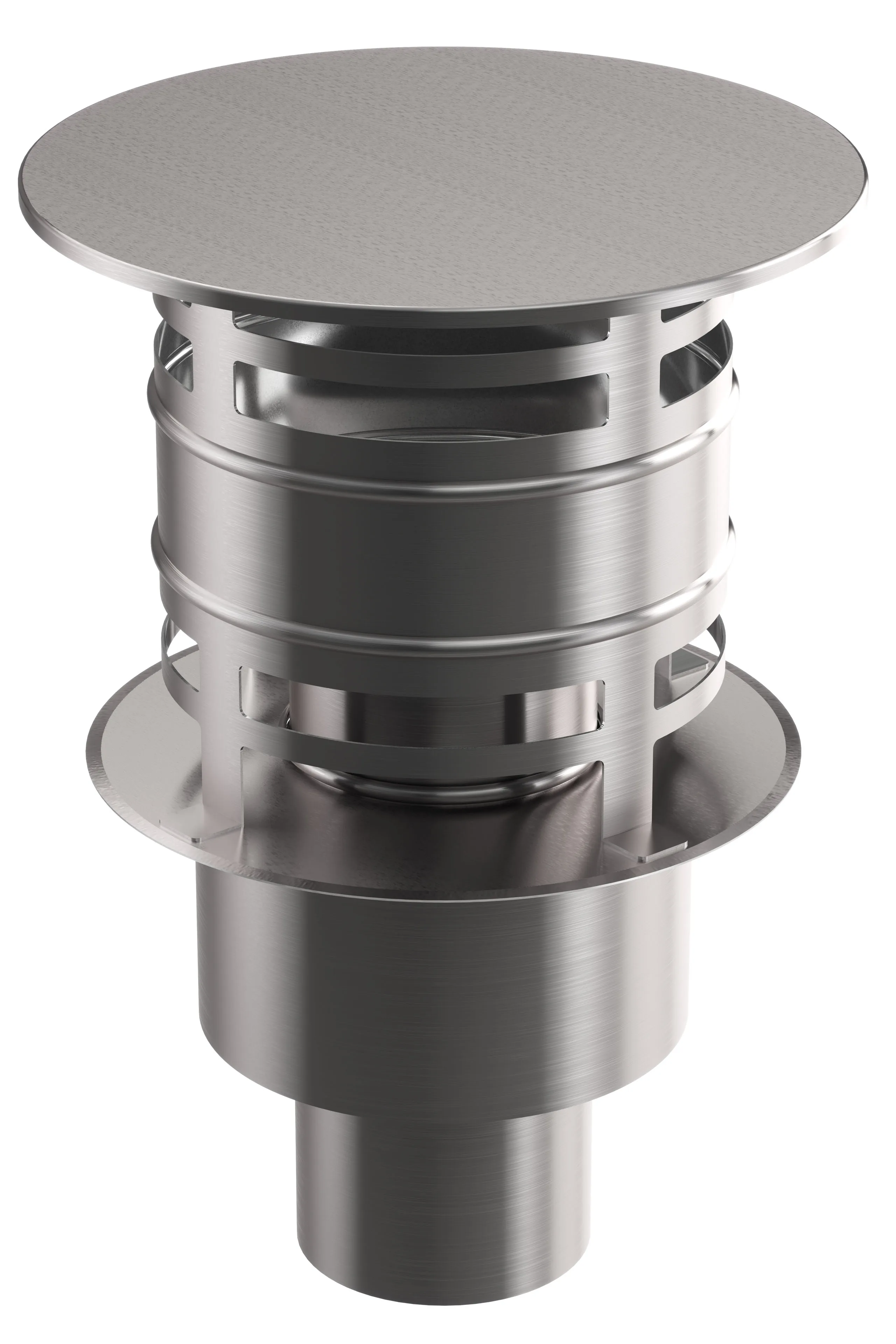
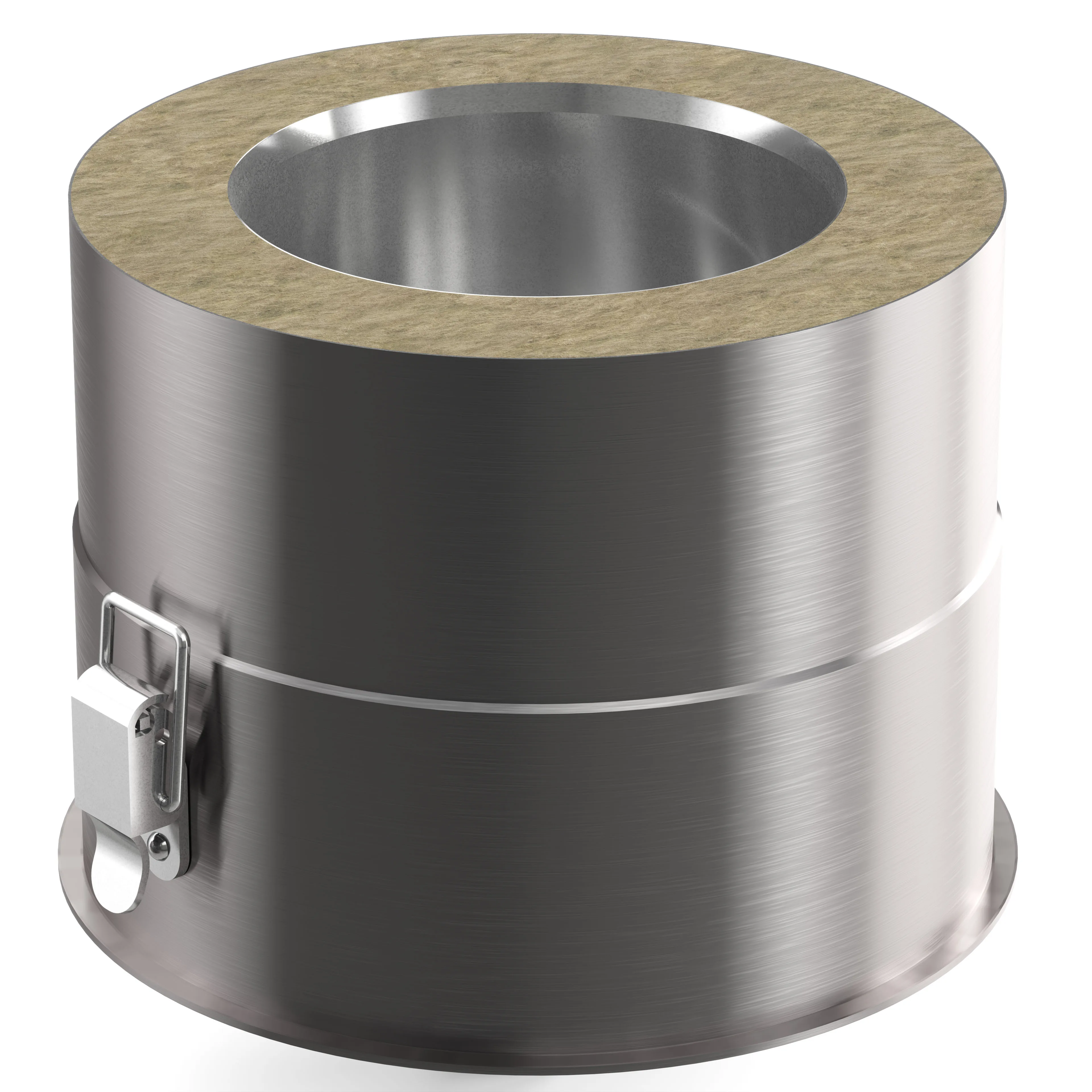
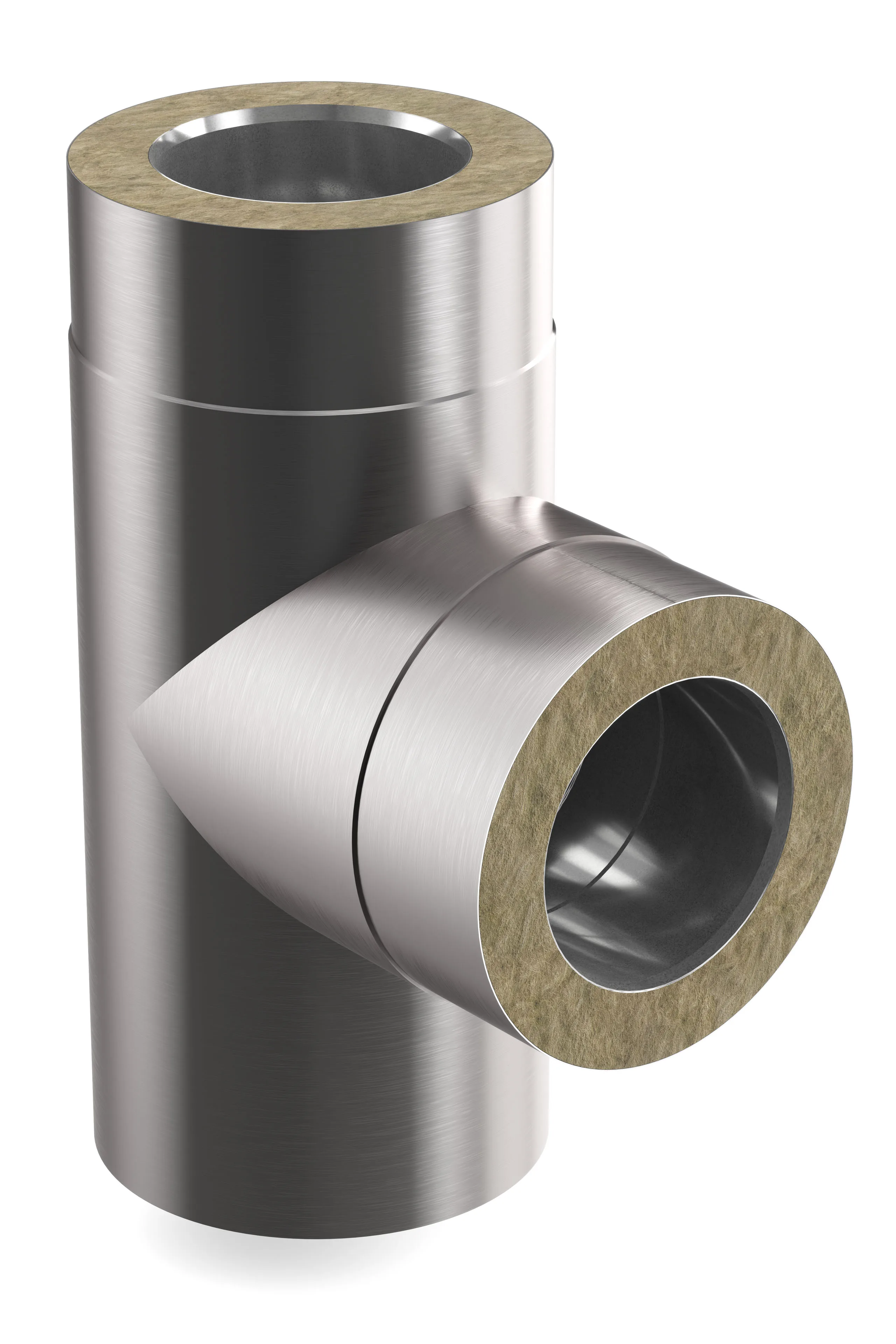
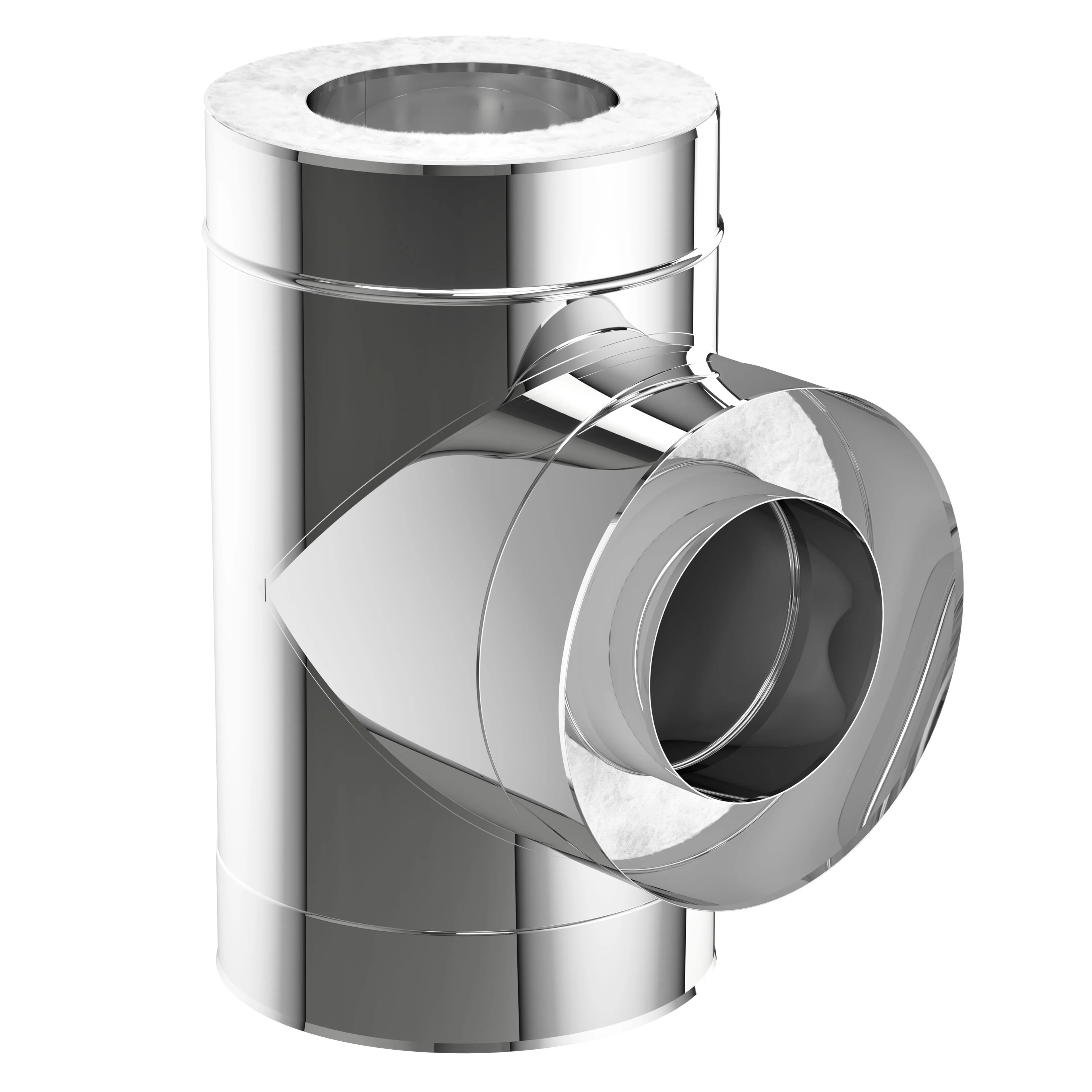
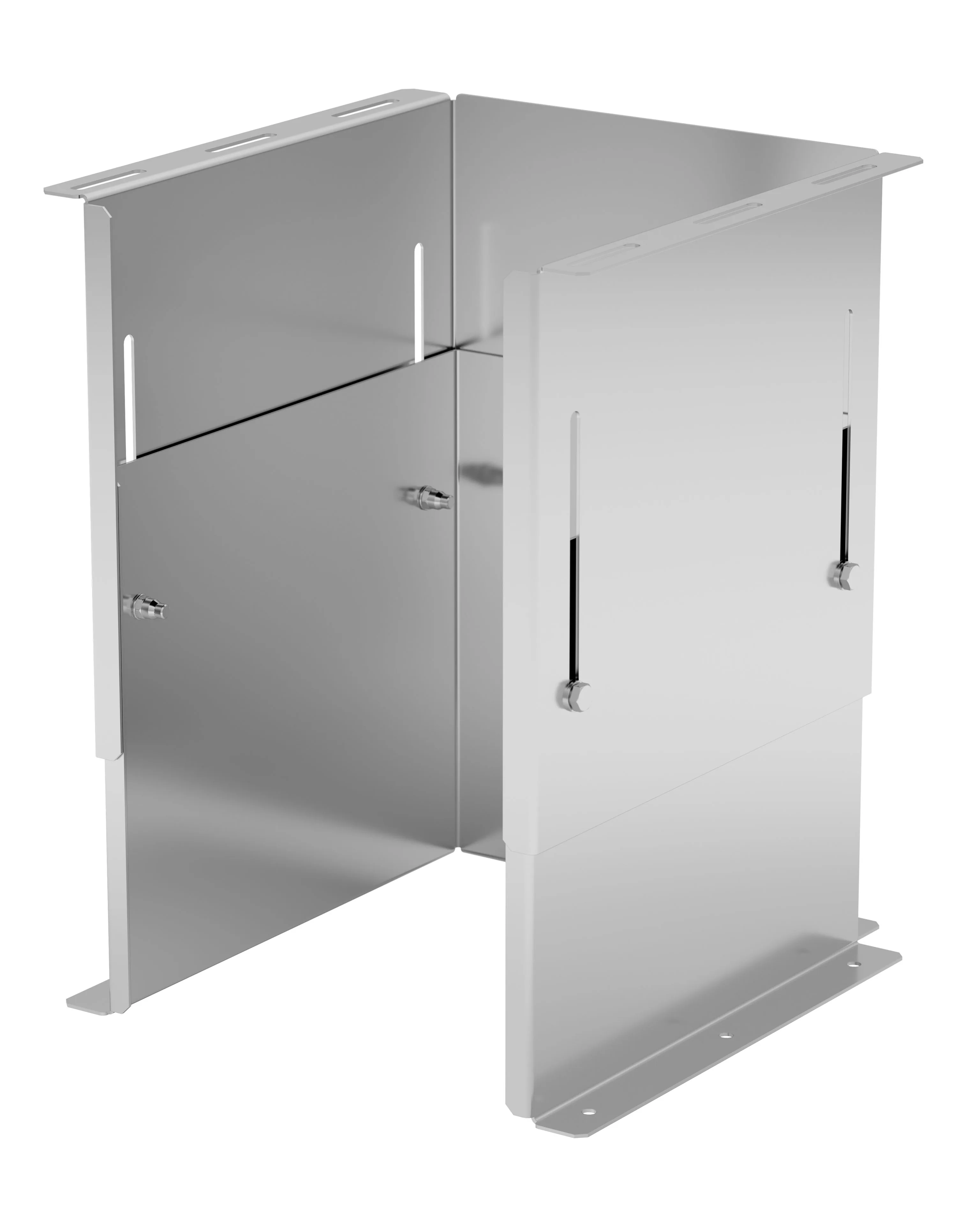
The objective was to develop a standardized series of high-fidelity product packshots for individual components of modular chimney and ventilation systems. The primary engineering challenge required establishing a fixed, unyielding studio lighting environment capable of maintaining absolute visual consistency across dozens of separate components. Whether rendering a small locking band, a complex T-piece, or a massive structural cowl, every asset had to feature identical shadow density, material reflection profiles, and spatial positioning for seamless integration into digital e-commerce catalogs and print media.

Technical CGI Engineering

  • Scope: E-commerce Product Packshots, Component Catalog CGI, Batch Render Optimization

  • Inputs: Manufacturing STEP CAD files, Technical Sheet Metal Specifications, Surface Roughness Parameters

  • Focus: Maintaining uniform lighting across components with drastically different geometric volumes required an innovative approach to virtual studio setup. Instead of manually adjusting light sources for each object, a master lighting template was locked in place using a calibrated combination of high-dynamic-range (HDRI) environmental maps and targeted area lights. To handle the highly reflective properties of galvanized, powder-coated, and stainless steel sheets, custom PBR material shaders were optimized to prevent specular highlight clipping and artificial pixel burning. Camera parameters (focal length, sensor size, and relative optical distance) were frozen globally. Furthermore, a universal shadow-catcher plane was configured to ensure that contact cinders and soft ambient occlusion shadows remained perfectly uniform across the entire product ecosystem, regardless of the component’s orientation.

The Business Outcome

By deploying a locked digital studio pipeline, the manufacturer achieved perfect visual alignment across their entire B2B product portfolio. This methodology completely eliminates the long-term logistical friction and financial overhead of traditional physical product photography, where matching the exact lighting setup across multi-year product releases is nearly impossible. The client can now expand their product line indefinitely, generating matching catalog assets on demand that blend seamlessly into existing print and digital infrastructure.

Project FAQ

How do you ensure lighting consistency when rendering components of completely different shapes and sizes?

We utilize a standardized coordinate-based rendering scene where the global illumination configuration, light intensities, and camera parameters are completely frozen. Instead of moving the lights to fit individual products, the components are normal-centered and scaled programmatically within a predefined bounding box. This ensures that the angle of incidence for every light ray remains identical across the entire batch.

Why is CGI preferred over traditional photography for industrial sheet metal catalogs?

Industrial sheet metal parts are notoriously difficult to photograph due to complex reflections, minor manufacturing smudges, or physical handling scratches. CGI allows for the presentation of mathematically perfect geometry with controlled surface roughness. It eliminates unwanted studio reflections while retaining realistic material behaviors like brushed grain and micro-grain powder coating finishes.

Can new components be added to this packshot matrix in the future without visual discrepancy?

Yes. Because the master scene file, render engine settings, and PBR shader values are archived as a fixed corporate asset template, any new CAD file imported into the system months or years later will automatically inherit the exact same lighting, shadow, and material characteristics.

Ready to Accelerate Your Commercial Pre-Sales?

From architectural blueprints to high-fidelity CGI and immersive interactive virtual tours. We engineer visual assets that streamline investor approval loops, maximize property value, and drive conversions.

Discuss Your Project