

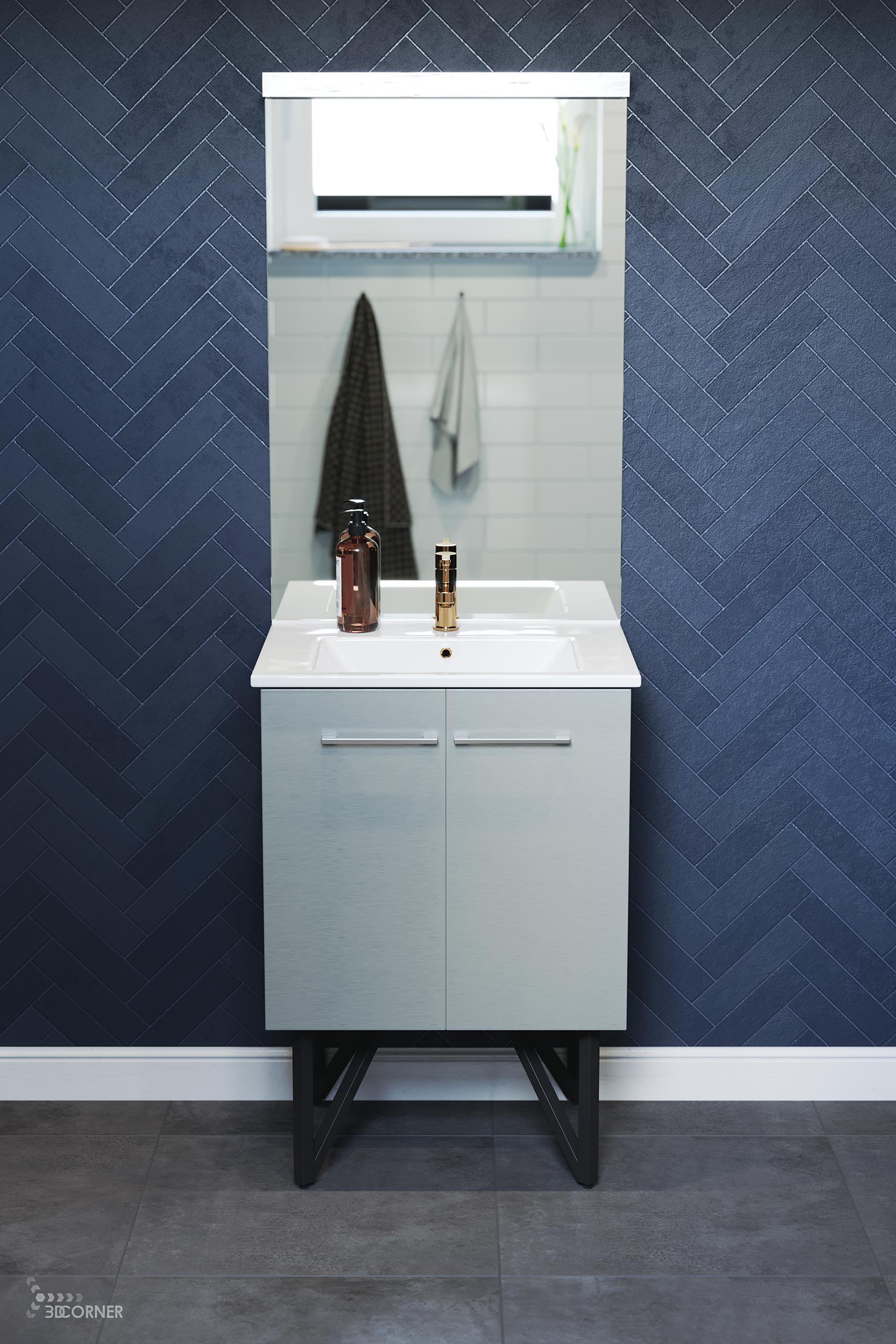
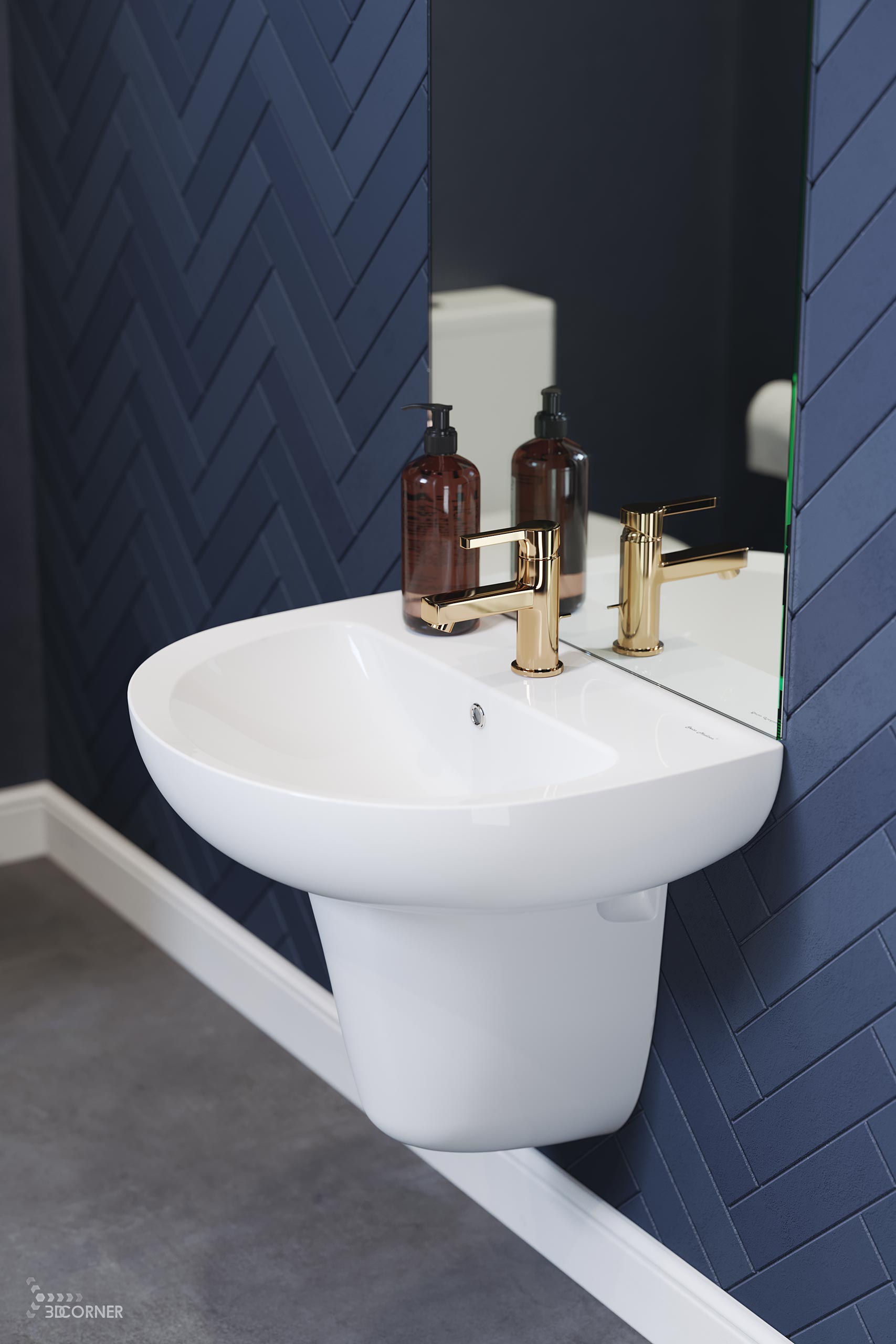
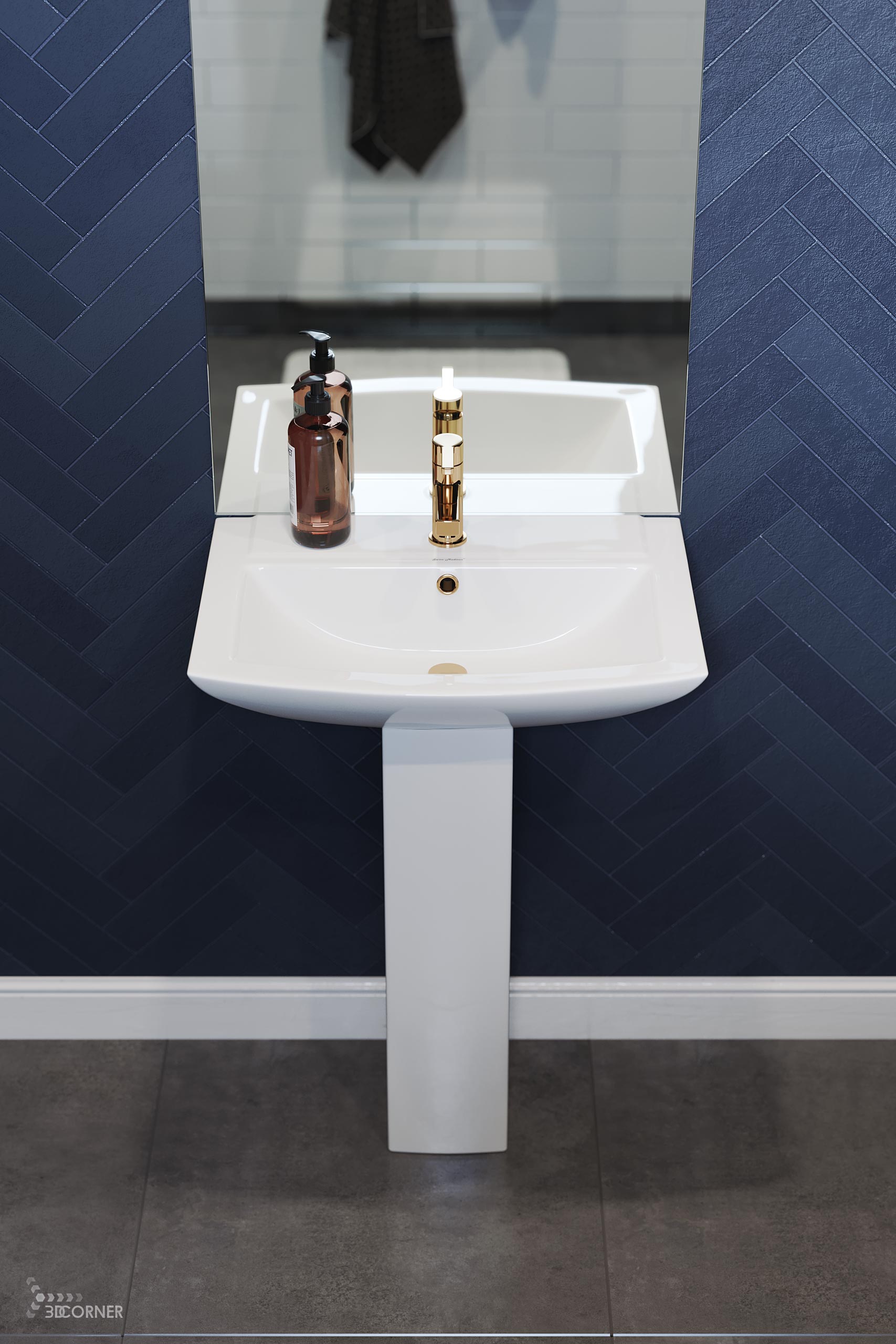
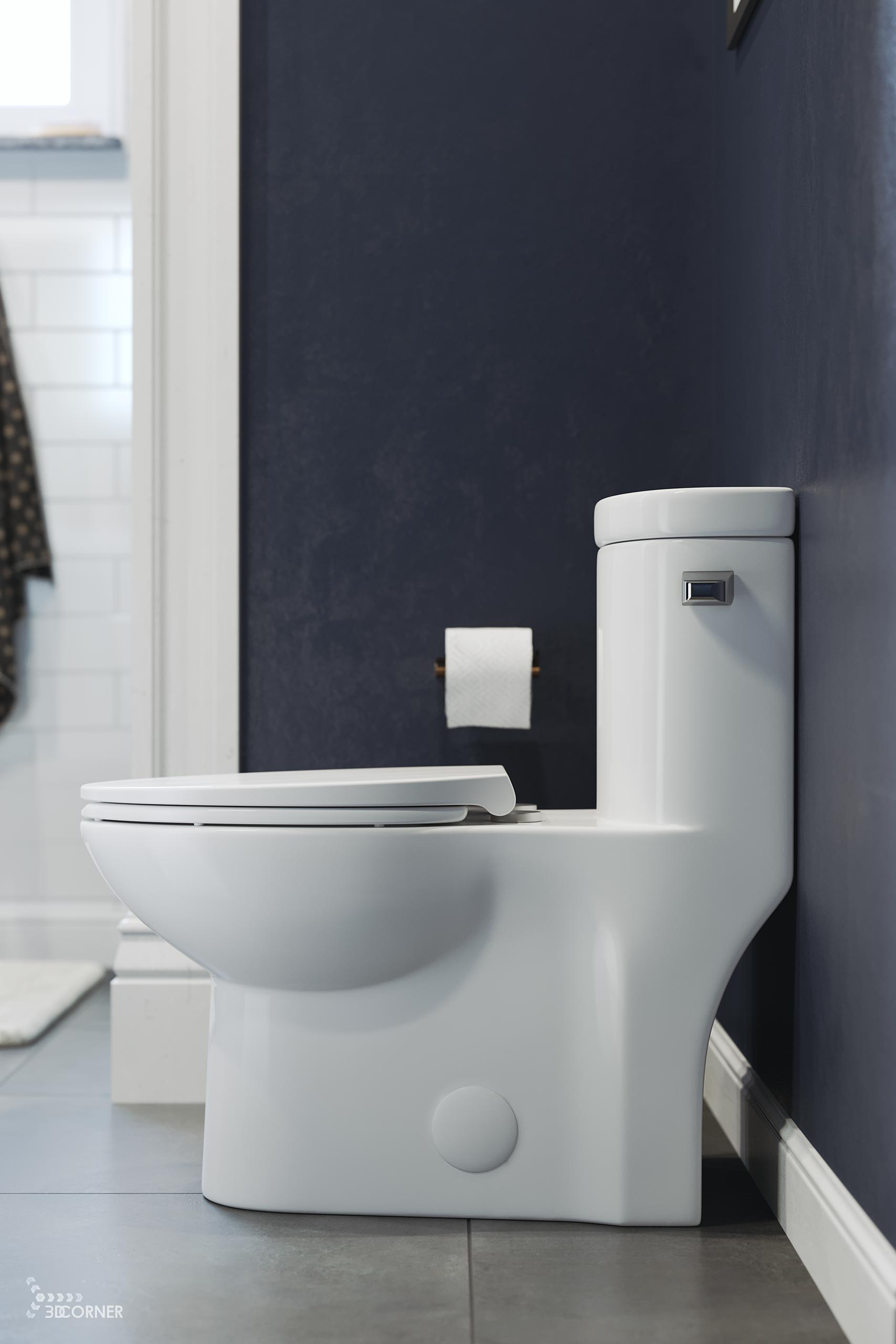
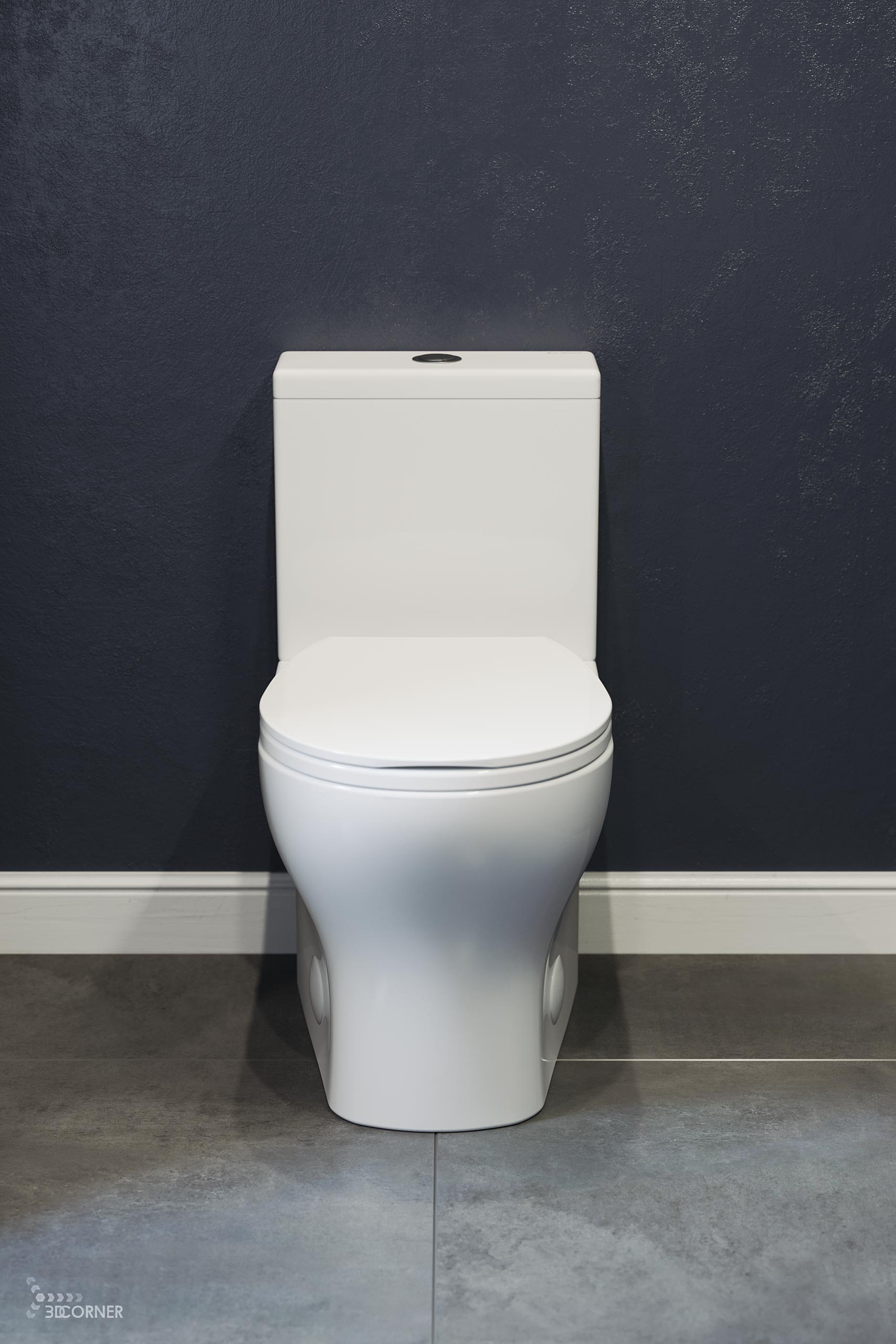
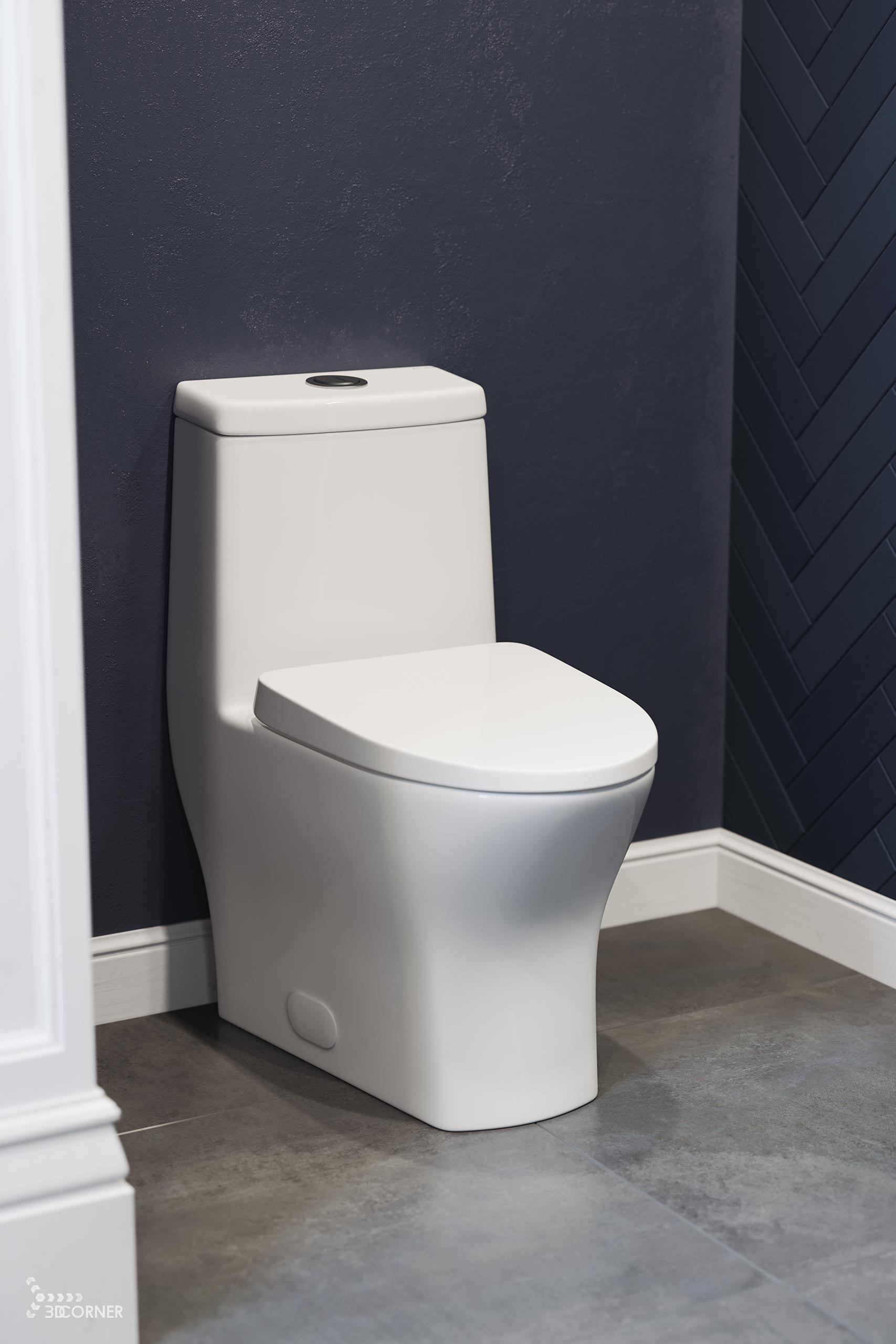
BATHROOM FITTINGS IN NAVY BLUE BATHROOM

The Goal

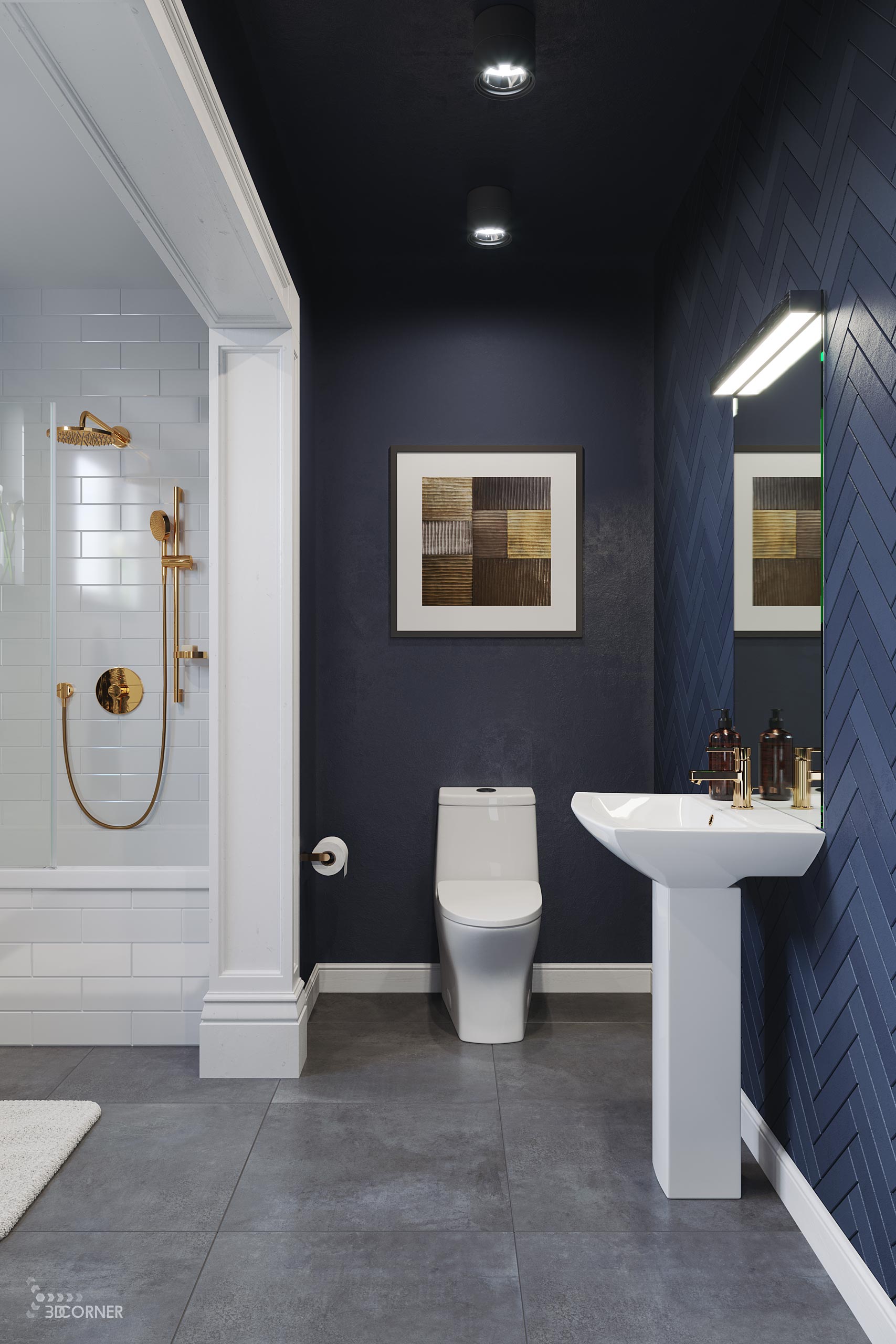
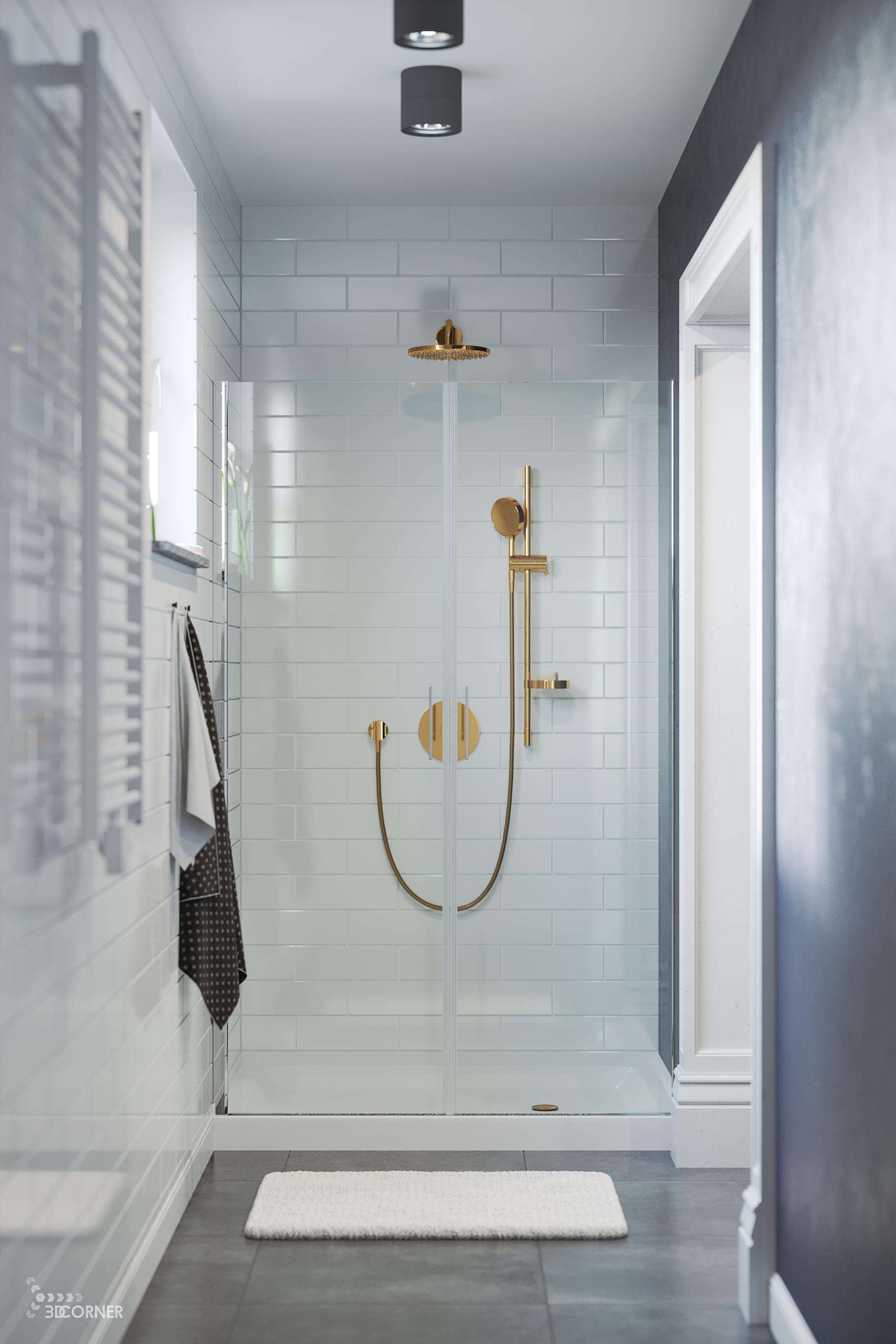
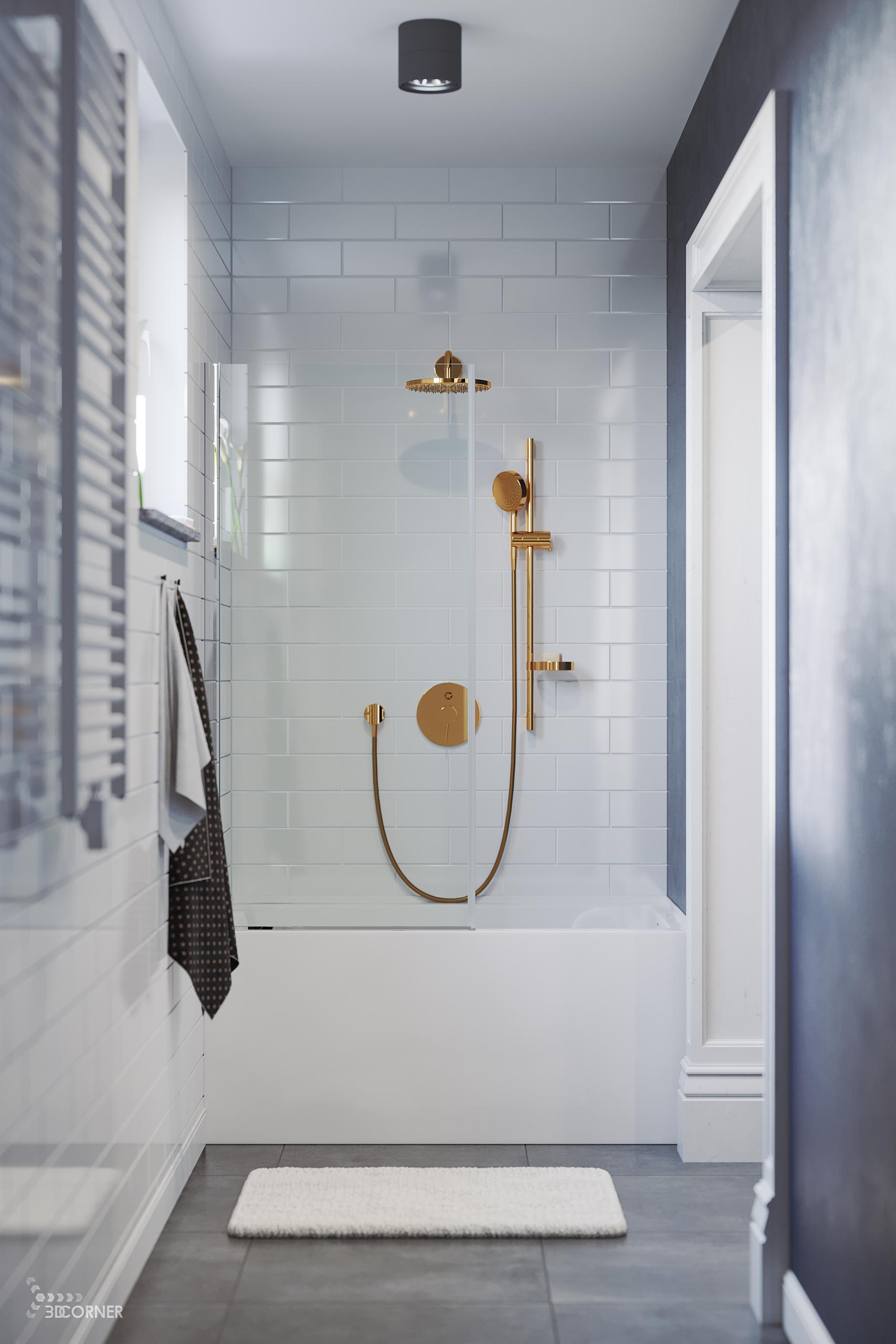
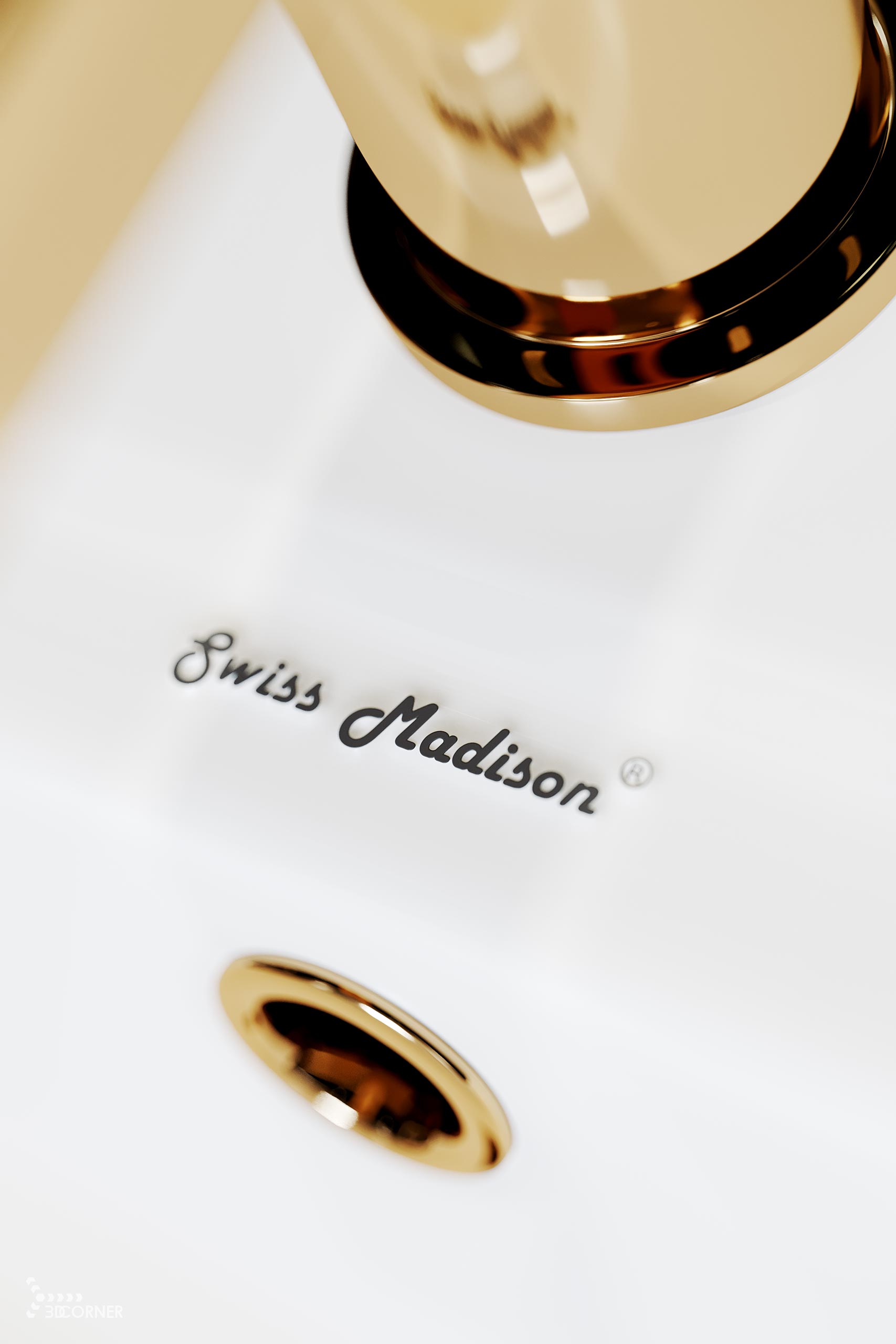
The primary commercial objective of this product CGI campaign was to showcase an elite bathroom fittings collection within a dark, high-contrast navy blue interior environment to accelerate wholesale and e-commerce pre-sales. Capturing highly reflective metallic hardware against deep, dark surfaces in traditional studio photography presents massive technical and financial challenges, including severe color casting, uncontrollable glare, and expensive physical set construction. The studio was tasked with creating flawless digital twins and macro close-ups of the basin and faucet assemblies. The core business purpose was to provide the sanitary ware manufacturer with an agile marketing portfolio to secure B2B distributor placements, win specifications from interior architects, and launch catalog campaigns ahead of physical factory runs.

Technical CGI Engineering

  • Scope – Development of high-resolution product close-ups, macro component detailing, and contextual dark-room interior staging for a modern sanitary fittings line.

  • Inputs – Production CAD files (.step and .iges formats), manufacturer surface finish catalogs, and precise color coordinates for the navy blue interior surfaces.

  • Dark-Room Lighting Architecture – Configured a specialized low-key virtual lighting matrix utilizing localized softboxes and dark bounce cards to sculpt the metallic forms without causing overexposure against the dark backdrop.

  • Reflection and Color Cast Suppression – Engineered custom ray-tracing absorption parameters to prevent the deep navy blue environment from unnaturally tinting the polished chrome and metallic finishes, maintaining accurate product color representation.

  • Macro Geometric Fidelity – Applied sub-millimeter edge bevels and precise mesh smoothing to the basin and faucet assemblies to ensure close-up angles capture crisp light glints and highlight manufacturing tolerances.

  • High-Frequency Material Displacement – Programmed advanced PBR texture nodes for the matte basin surfaces and ceramic components to display realistic micro-textures and tactile variations under direct illumination.

The Business Outcome

By moving the product presentation into a calibrated 3D visualization pipeline, the manufacturer eliminated the substantial costs associated with physical set building, prototype shipping, and delicate lighting adjustments required for dark-room photography. The production-ready digital twins provided the commercial team with absolute visual consistency across all marketing channels, enabling them to present the collection to high-end interior designers and wholesale distributors six months prior to manufacturing. This proactive marketing strategy optimized the sales funnel velocity, reduced time-to-market, and generated verified pre-orders before capital was committed to final assembly lines.

Project FAQ

Why is rendering reflective bathroom fittings inside a dark navy blue environment more effective than physical photography?

Physical photography of chrome or polished hardware in dark rooms is a logistical bottleneck. Dark walls cause intense reflection problems and color tinting on metallic surfaces, while studio lights often create harsh, artificial glare. Our virtual pipeline allows us to isolate reflection paths and control light transport mathematically. This ensures that the bathroom fittings look crisp, clean, and perfectly true-to-life, showcasing their true material quality without the expense of building physical studio sets.

What data do we need to provide to ensure the close-up macro renders capture our product details accurately?

We work directly with your manufacturing CAD models, such as STEP or IGES files, to ensure every radius, thread, and joint is identical to the physical product. For surface finishes, you provide standard data including RAL color codes, metal brushing patterns, or gloss percentage charts. This technical data allows us to calibrate the material shaders so that close-up shots of the basin and faucet precisely mirror the final manufactured goods.

Can these dark-room interior scenes be modified to show different faucet finishes or basin styles later?

Yes, our entire CGI environment is engineered with a modular, non-destructive architecture. The structural geometry of the basin, faucet, and background architecture exists on independent layers. If you expand your catalog with matte black, brushed brass, or alternative hardware shapes next season, we can swap the components within the existing file and re-render the images instantly, lowering future content creation costs.

How do macro close-up renders help convert B2B buyers and architects?

Commercial buyers and architects look for fine manufacturing details, seamless joints, and material quality when specifying hardware for large-scale developments. Standard wide-angle photos often hide these details. Our macro close-up visualizations isolate the engineering quality of the faucet joints and basin surfaces under controlled lighting, removing purchasing doubt and accelerating wholesale contract signings.

Ready to Accelerate Your Commercial Pre-Sales?

From architectural blueprints to high-fidelity CGI and immersive interactive virtual tours. We engineer visual assets that streamline investor approval loops, maximize property value, and drive conversions.

Discuss Your Project