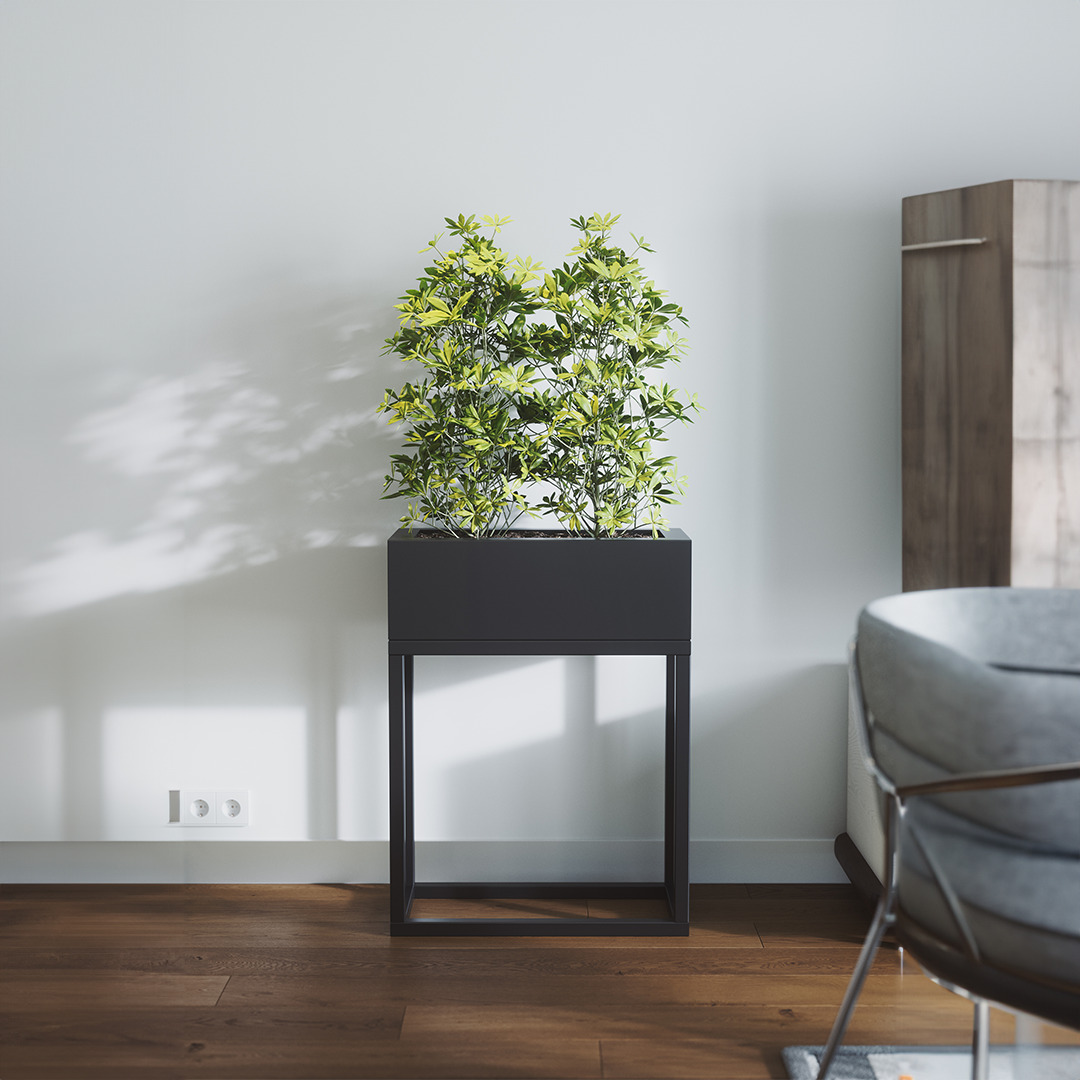
DECORATIVE PRODUCTS 3D RENDERINGS

The Goal

The primary objective of this product CGI project was to visualize a modern collection of minimalist plant stands while validating their structural versatility. During the exploratory 3D modeling and digital prototyping phase, the studio team identified an unexploited geometric synergy in the primary metal frame layout. By evaluating alternative structural configurations, we discovered a functional dual-use capability: inverting the frame transformed the unit into an alternative nesting layout, giving the consumer complete customization freedom. This intervention allowed the manufacturer to update their engineering blueprints prior to production, launching a multi-functional line without separate tooling costs. The second goal was to flawlessly replicate the tactile contrast of a rustic timber stand variant accented with custom hand-forged iron components.

Technical CGI Engineering

  • Scope – High-fidelity hard-surface 3D product modeling, functional utility validation, and contextual lifestyle studio rendering for multi-material plant stand collections.

  • Inputs – Concept sketches, target welding boundaries, wood species gloss profiles, and physical blacksmithing references for the forged metal elements.

  • Hard-Surface Mesh Optimization – Transformed raw geometry blueprints into optimized polygonal assets, implementing seamless weld-seam topology and uniform sub-millimeter micro-bevels to ensure sharp specular highlights.

  • Dual-Orientation Kinematics – Modeled and tested weight-bearing clearances within the virtual space to physically verify structural stability when the frame configuration is flipped by the end-user.

  • PBR Material Architecture – Engineered advanced multi-layered material networks separating the high-absorbency characteristics of matte powder-coated steel from the deep grain paths of natural oiled timber.

  • Forged Metal Realism – Developed specialized normal and roughness maps for the wrought-iron components to accurately replicate the hammered texture, scale defects, and irregular reflectivity of hand-forged metal hardware.

  • Precision Studio Lighting – Configured a minimalist architectural scene using cross-polarized softboxes and soft rim lights to sculpt the thin wireframe silhouettes without flattening their depth against light backgrounds.

  • Contact Shadow Integration – Tuned micro-ambient occlusion and physical shadow maps to anchor both stand variants cleanly onto polished concrete and timber flooring surfaces.

The Business Outcome

By integrating creative design consulting directly into the CGI prototyping pipeline, the studio multiplied the market value of the client inventory. The discovery of the dual-use configuration allowed the manufacturer to market a highly adaptable, dual-purpose furniture piece under a single SKU, completely eliminating secondary factory tooling overheads. For the rustic product line, the photorealistic replication of hand-forged iron and wood textures bypassed the need for expensive physical lifestyle photo shoots. These production-ready digital twins accelerated B2B pre-orders, optimized catalog assembly timelines, and maximized manufacturer return on investment before physical manufacturing began.

Project FAQ

How did 3DCorner’s creative input directly affect the physical manufacturing design of the plant stand?

During the initial 3D design phase, we analyzed the geometric boundaries of the metal wireframe and noted that inverting the structure unlocked a secondary, functional orientation. We adjusted the top-plate tolerances and structural alignment in virtual space to prove its physical load-bearing stability. This insight allowed the manufacturer to update their final production blueprints, giving consumers a customizable product with two layout options without increasing manufacturing complexity.

What technical challenges do hand-forged metal elements present in a PBR rendering workflow?

Hand-forged iron lacks uniform industrial profiles and features highly irregular surface reflectivity. It contains hammer impacts, minor surface scale pits, and varying matte-to-semi-gloss transitions. We replicated this manual craftsmanship by engineering custom multi-layered normal and roughness maps derived from macro scans of real wrought iron. This ensures that direct light catches the forged components unevenly, highlighting the authentic manual labor behind the hardware.

Can these product assets be adapted for real-time online configurators or e-commerce websites?

Yes, every product asset is engineered with optimized polygonal topology and a non-destructive layer stack. The models can be exported into low-poly formats compatible with WebGL systems, interactive 3D web viewers, or augmented reality (AR) platforms, enabling retail consumers to interactively test different setup configurations and material finishes on their mobile devices.

Why are micro-bevels essential when rendering thin metal wireframe products?

Computer-generated geometry defaults to mathematically infinite sharp edges, which look artificially digital and flat. Wireframe products rely heavily on thin silhouettes. By modeling sub-millimeter beveled edges on every metal rod and joint, we ensure that direct and ambient light sources catch the corners, creating realistic specular highlights that define the product shape and volume.

Ready to Accelerate Your Commercial Pre-Sales?

From architectural blueprints to high-fidelity CGI and immersive interactive virtual tours. We engineer visual assets that streamline investor approval loops, maximize property value, and drive conversions.

Discuss Your Project