SortBIN

The Goal

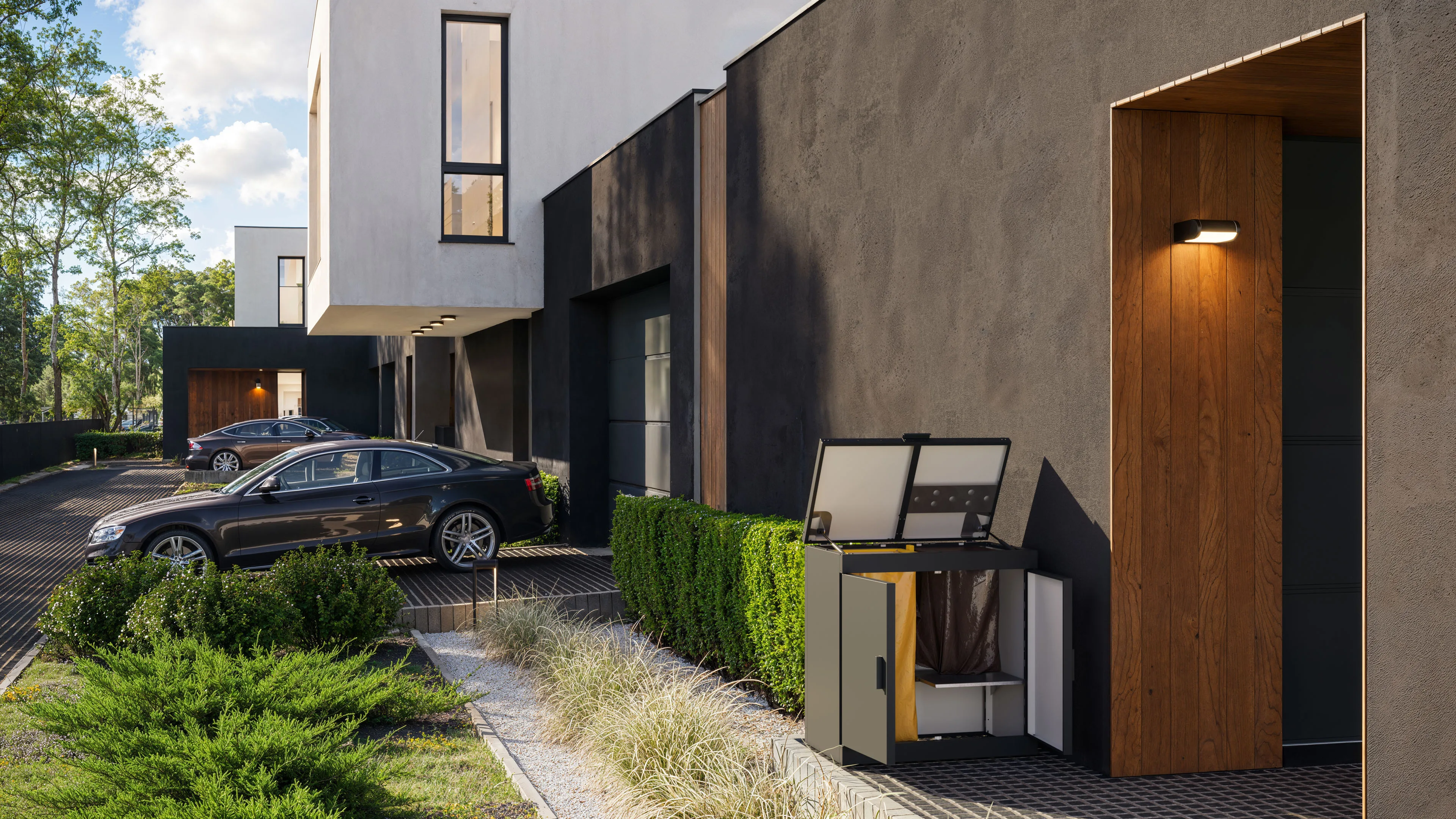
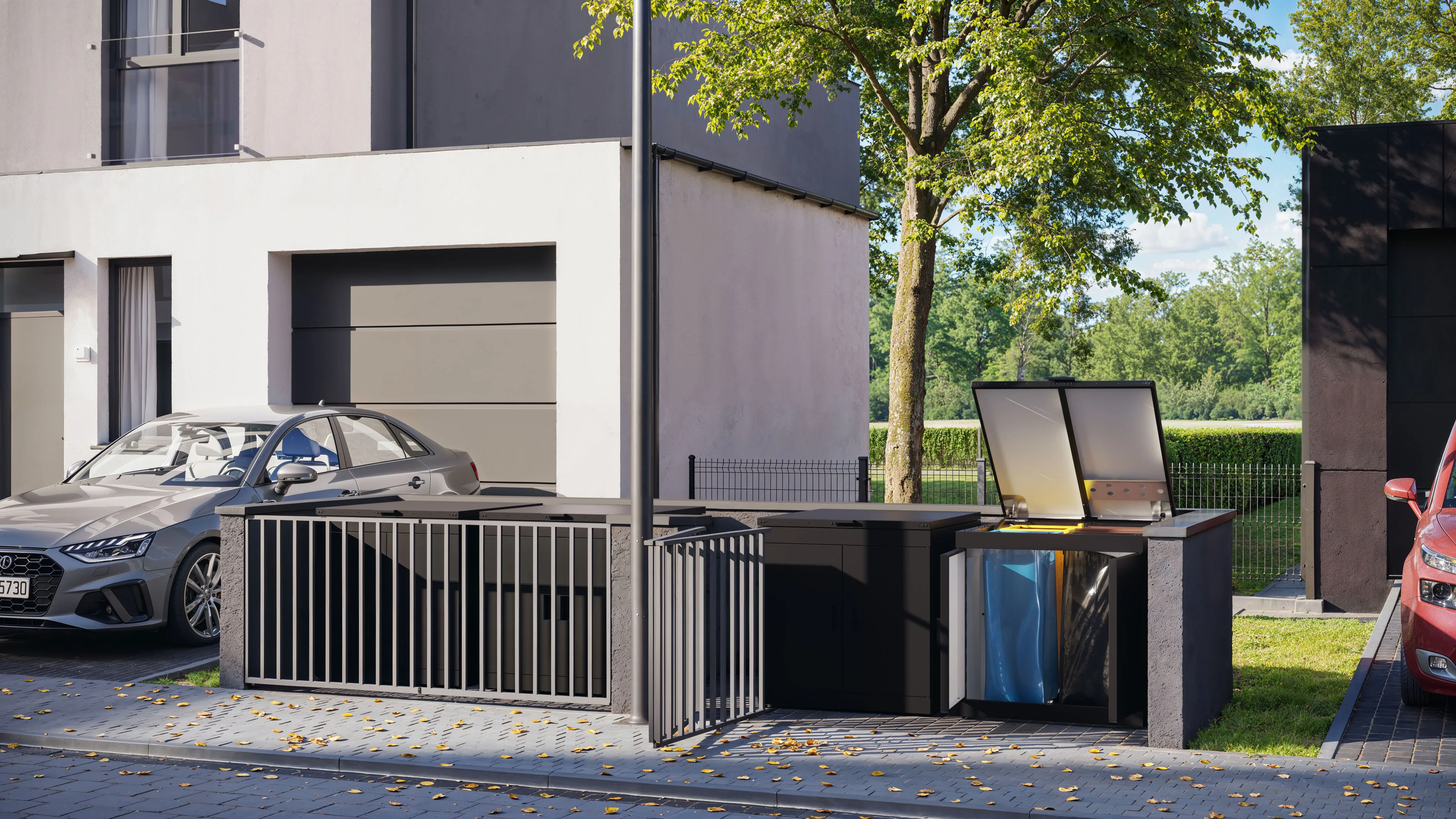
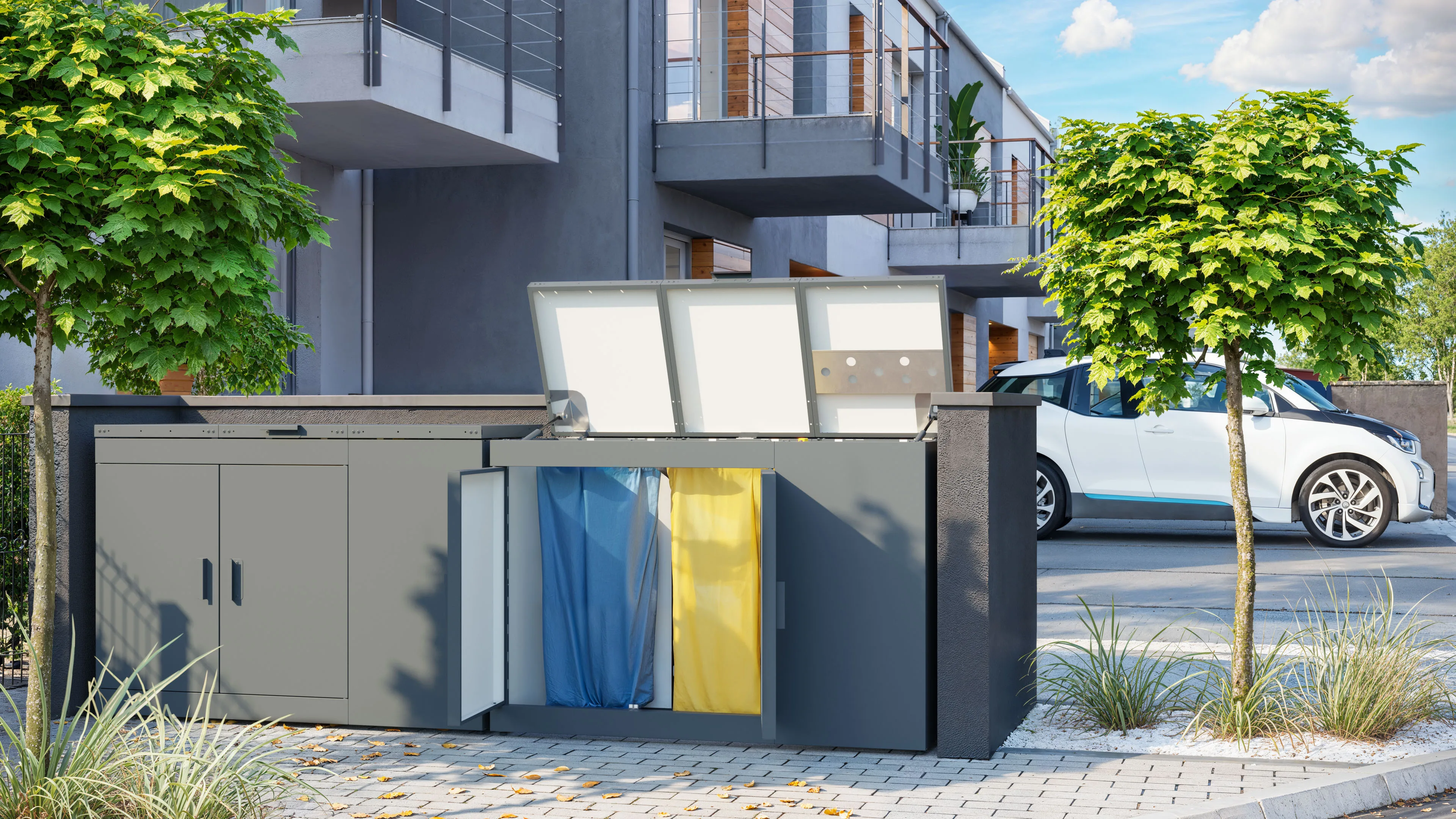
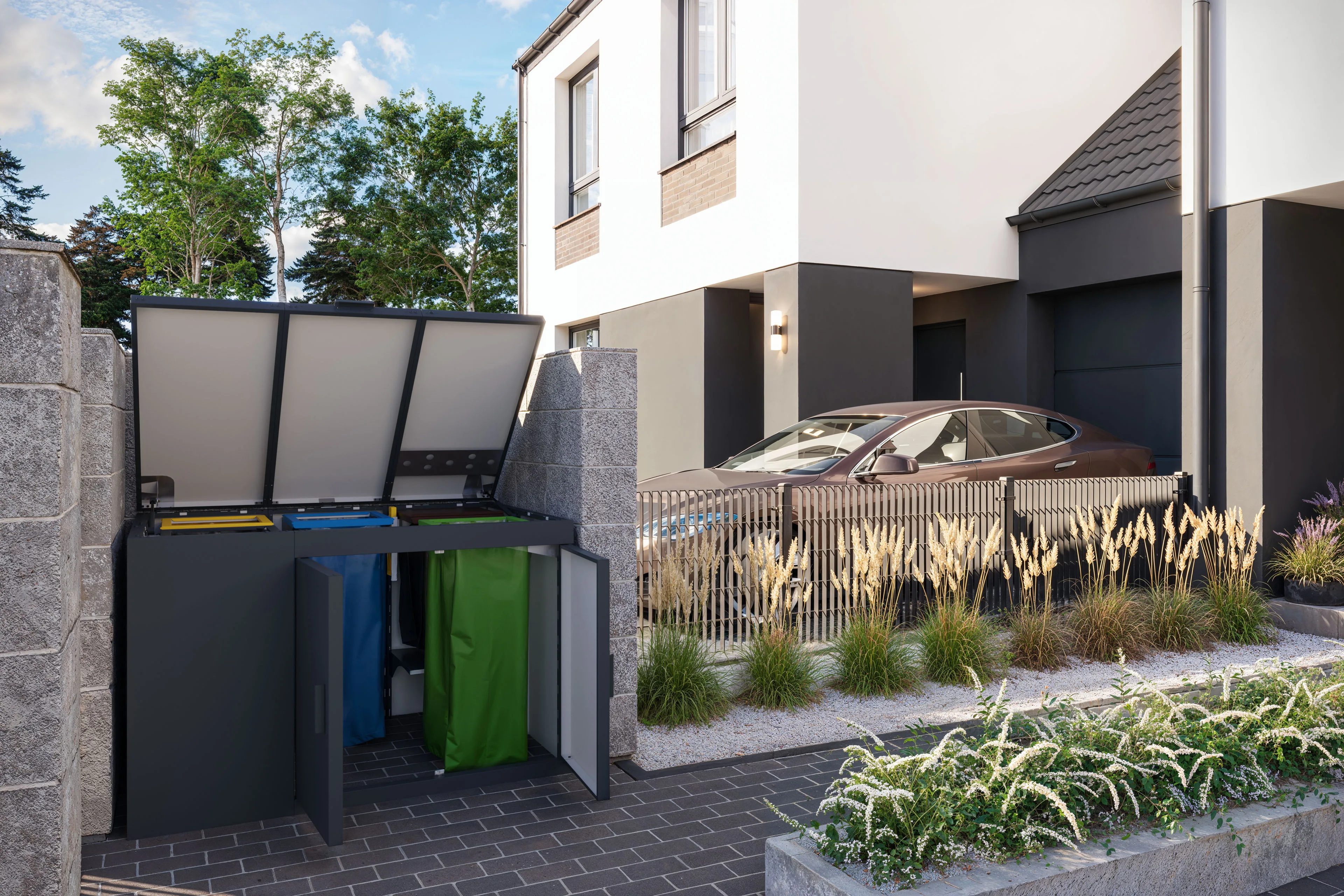
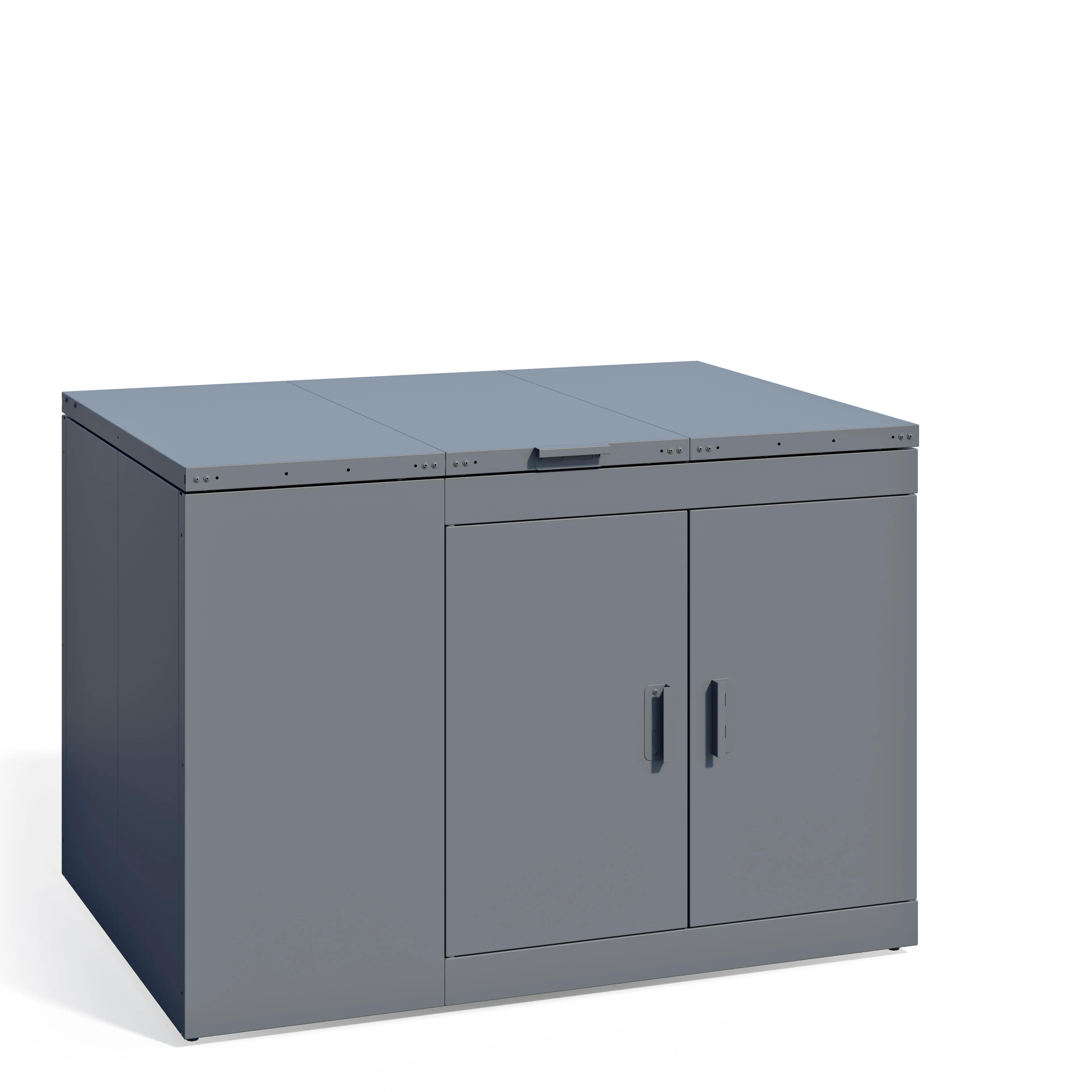
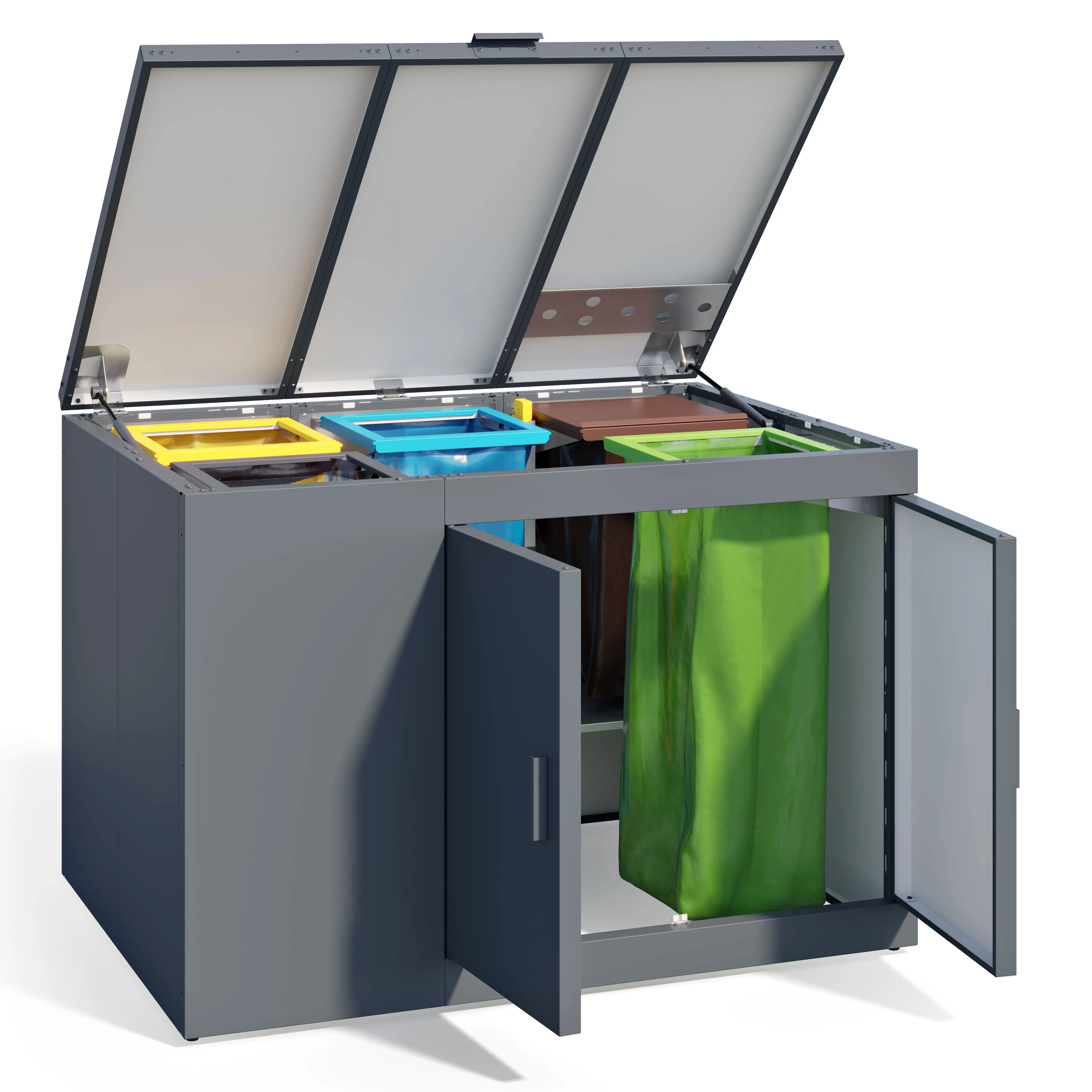
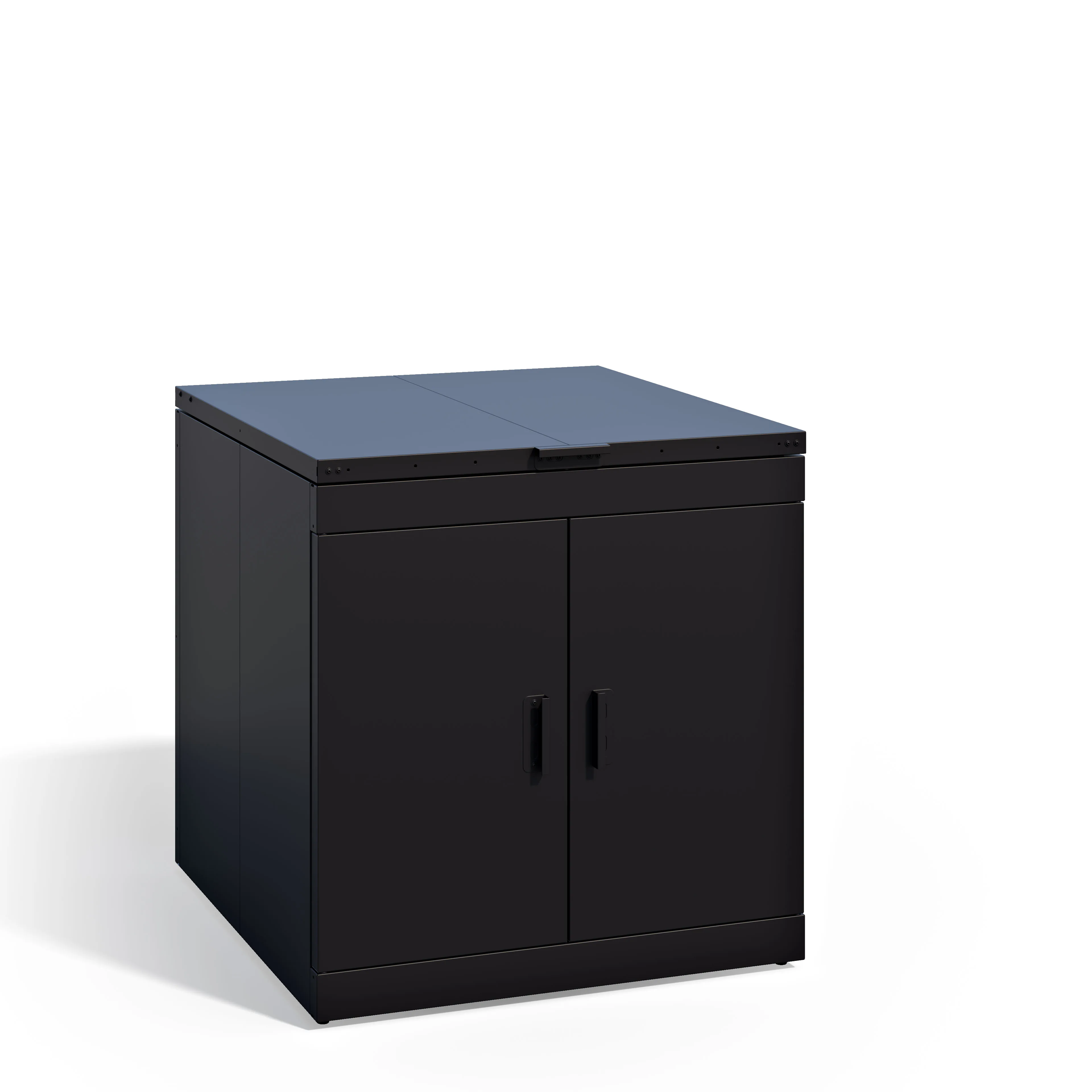
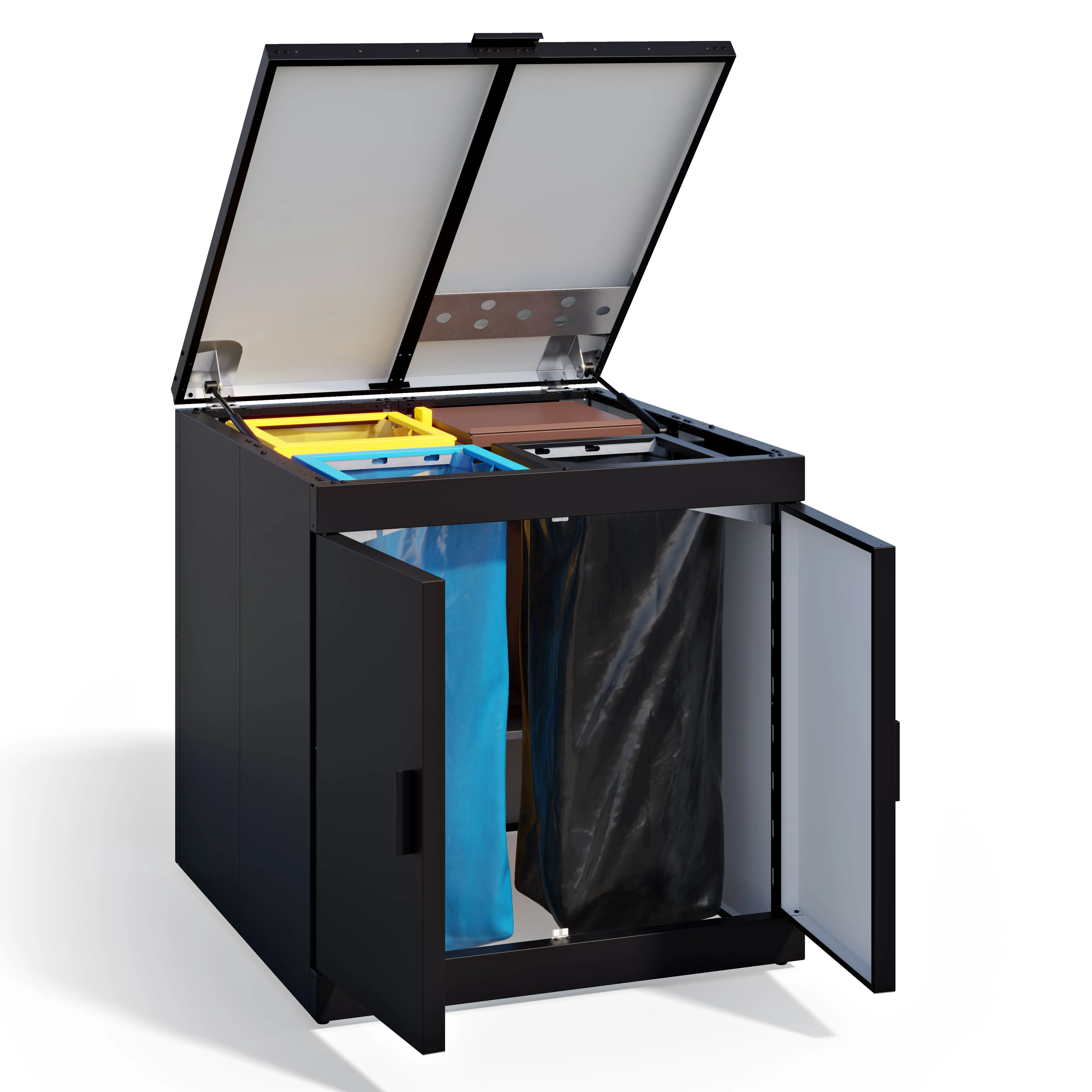
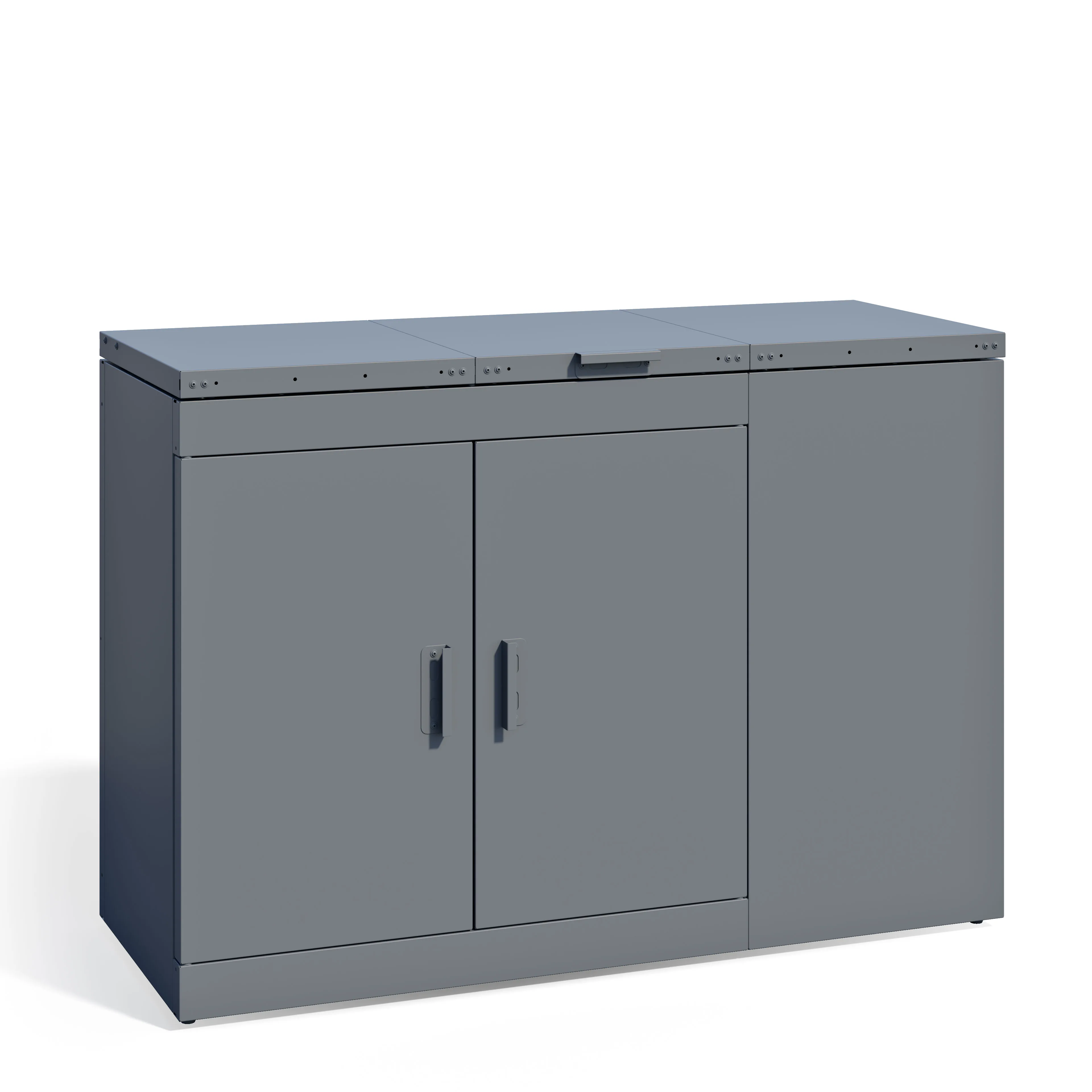
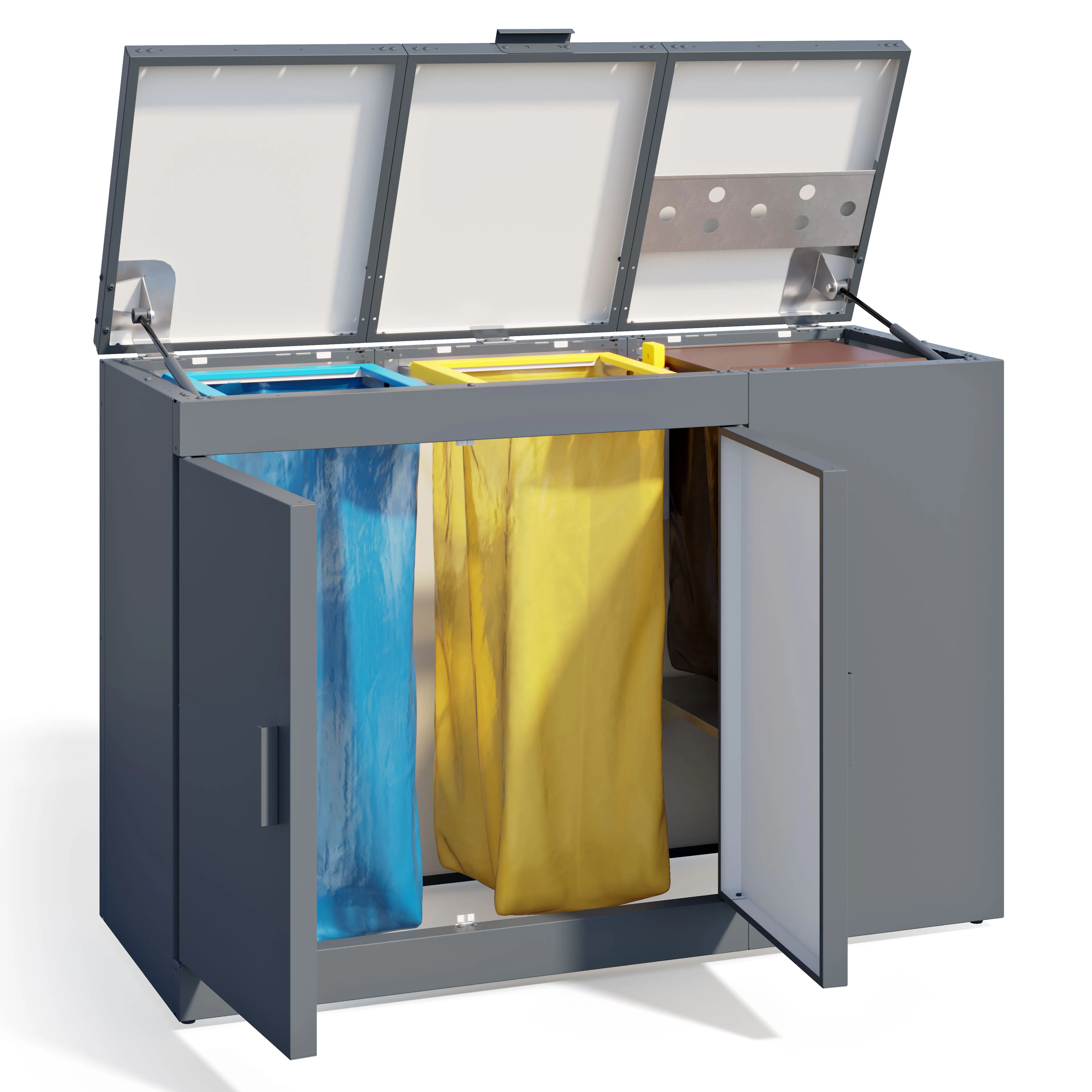
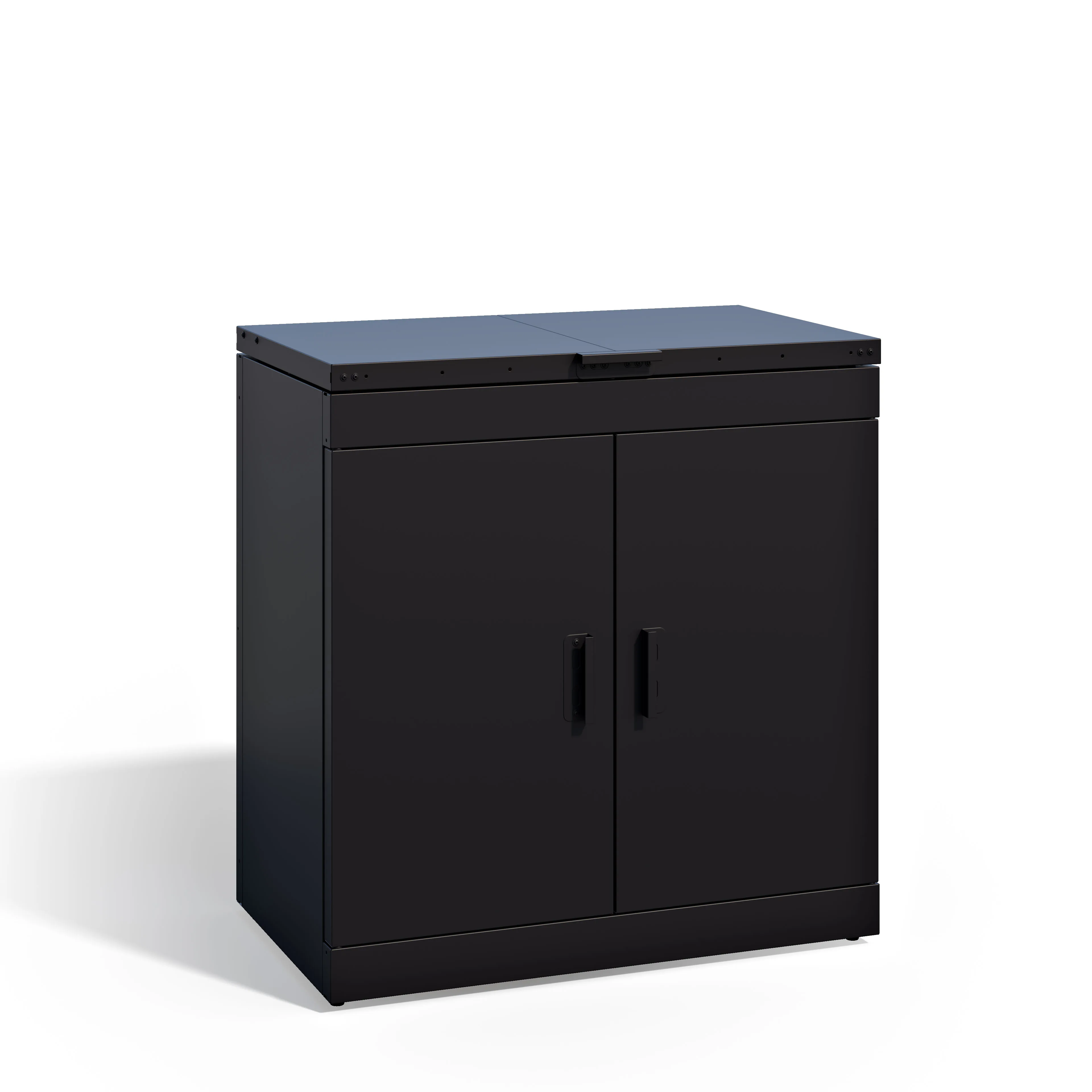
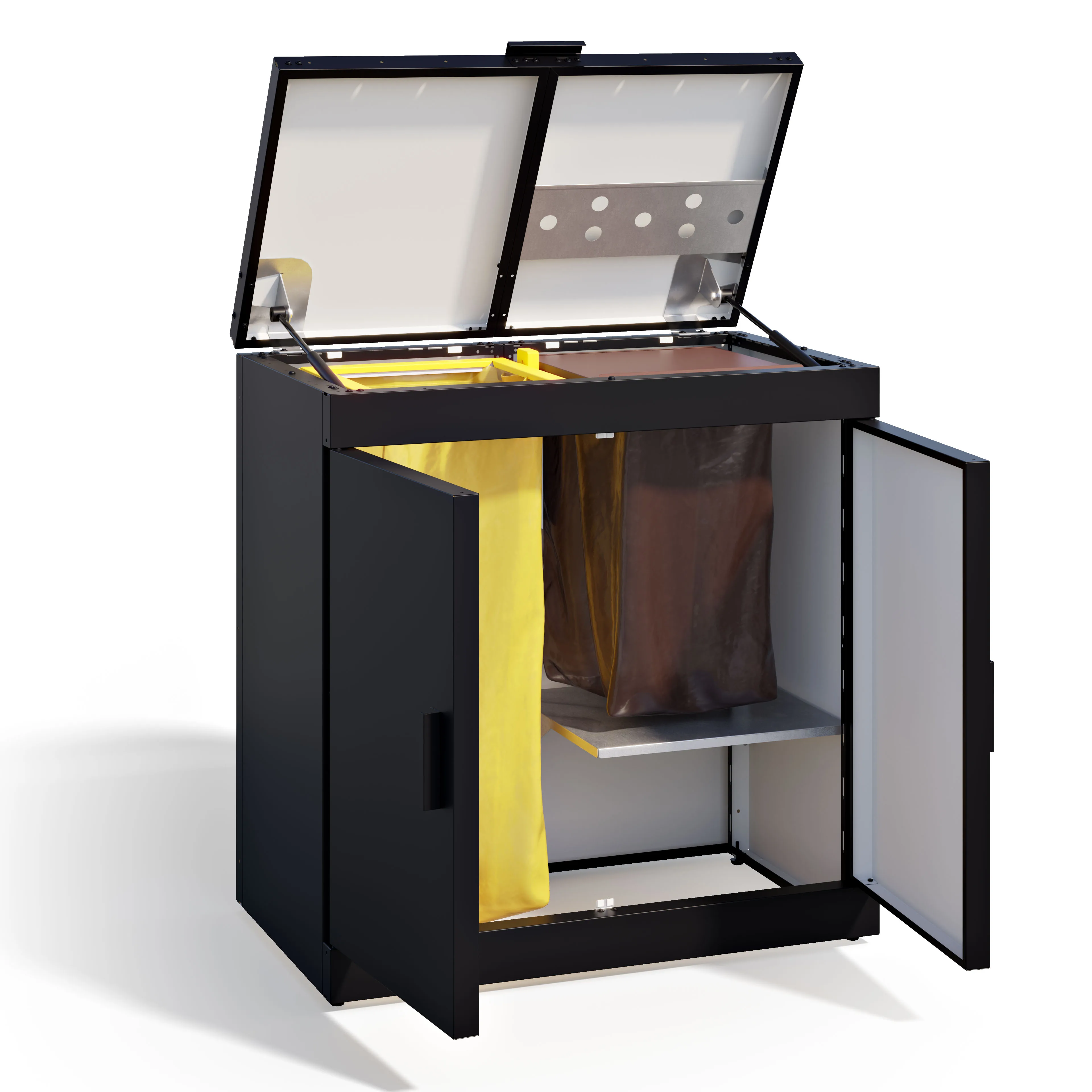
The objective was to transform complex manufacturing CAD models into lightweight, high-fidelity studio CGI visualizations for the Sortbin modular waste separation system. The primary focus centered on showcasing the product’s modular configuration options (ranging from 2 to 6 compartments), specific color variants (RAL 9005 matte black and RAL 7016 anthracite), and functional mechanical components like internal drip trays and integrated manual bag sealers. The final visual assets were engineered to provide clean, consistent imagery for digital catalogs, technical data sheets, and e-commerce platforms.

Technical CGI Engineering

  • Scope: Studio Product CGI, Modular Configuration Renderings, Close-Up Feature Shots

  • Inputs: Manufacturing STEP/IGES CAD Assemblies, Material Specification Sheets, RAL Color Codes

  • Focus: Industrial manufacturing CAD files are inherently dense, containing thousands of internal faces, screws, brackets, and structural welds that cause severe polygon overhead and shading artifacts in rendering engines. The primary technical challenge required a comprehensive CAD cleanup phase. Non-visible internal components were purged to reduce vertex counts, and non-manifold geometry was manually corrected. Hard edges were refactored with clean geometric bevels to accurately catch specular highlights during ray-tracing. Custom PBR (Physically Based Rendering) texture maps were developed to precisely replicate the fine-grain surface roughness of matte powder-coated finishes and the industrial sheen of galvanized steel components. Studio lighting arrays were meticulously calibrated to accent the sharp profile lines of the sheet metal without generating blown-out highlights.

The Business Outcome

By converting production blueprints into optimized digital assets, the client eliminated the need for costly physical prototypes and multi-variant studio photography. The resulting CGI assets establish absolute visual consistency across the entire product lineup, streamlining the marketing pipeline and providing B2B buyers, architects, and facilities managers with a clear, realistic representation of the product’s finish and utility.

Project FAQ

Why is CAD cleanup necessary before the 3D rendering process?

CAD files built for manufacturing contain internal components, interlocking flanges, and hardware intended for laser cutting and assembly. If left unoptimized, these hidden elements cause major rendering slowdowns, light leaks, and geometric overlapping artifacts. Removing non-visible data and cleaning the topology ensures flawless shadow propagation and optimal engine performance.

How do you ensure the digital colors match the actual manufactured product?

We utilize physically based rendering pipelines where color values are mapped directly to official color standards like the RAL system. By tuning the roughness, diffuse, and specular channels under calibrated studio lighting environments, we ensure the digital representation of finishes like RAL 9005 and RAL 7016 accurately reflects real-world appearances.

Can these optimized 3D models be reused for interactive applications?

Yes. Because the geometry underwent rigorous asset optimization and vertex count reduction during the CAD cleanup stage, the underlying models serve as an ideal foundation for low-poly conversions. They can be readily adapted for real-time WebGL configurators, interactive 3D presentations, or augmented reality applications.

Ready to Accelerate Your Commercial Pre-Sales?

From architectural blueprints to high-fidelity CGI and immersive interactive virtual tours. We engineer visual assets that streamline investor approval loops, maximize property value, and drive conversions.

Discuss Your Project