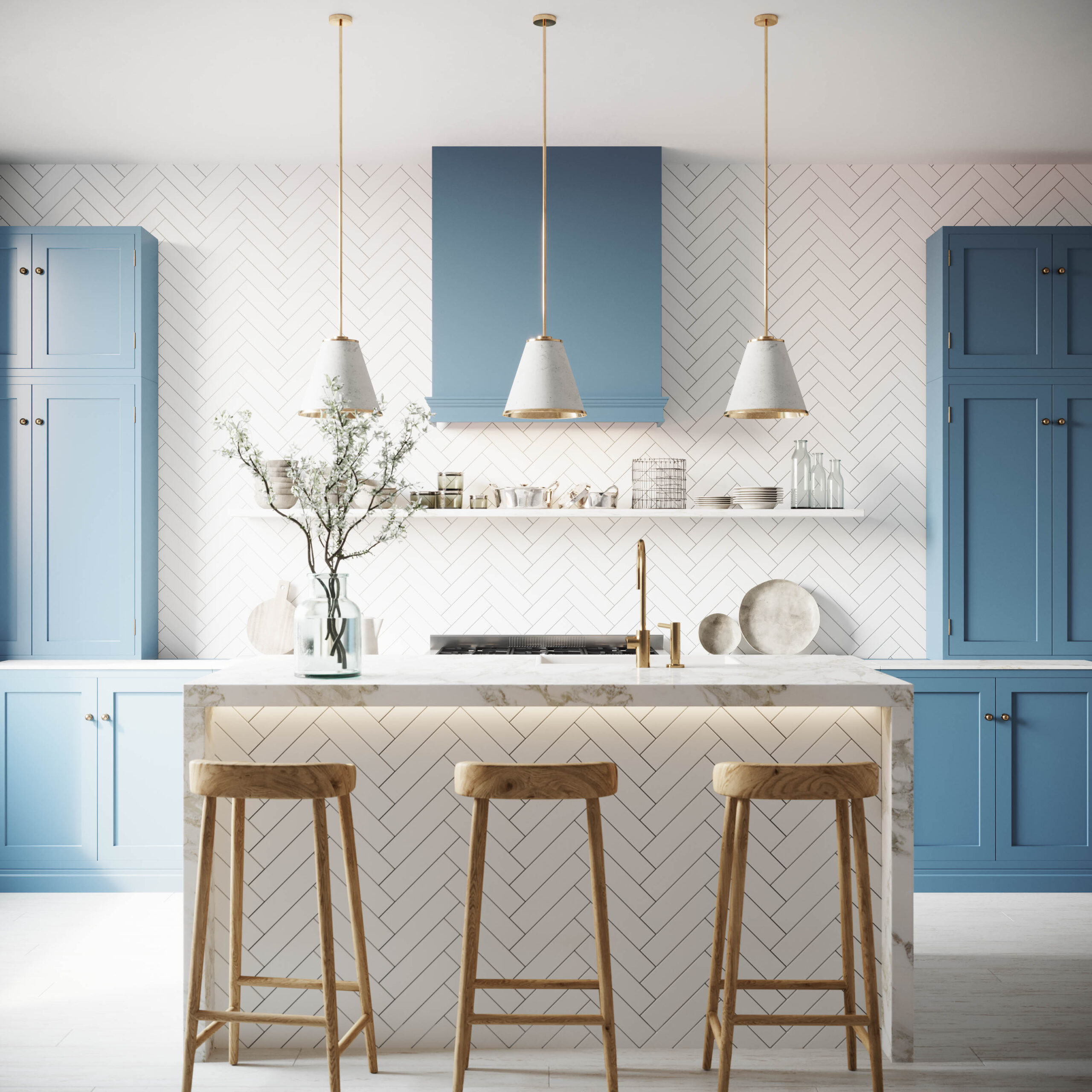
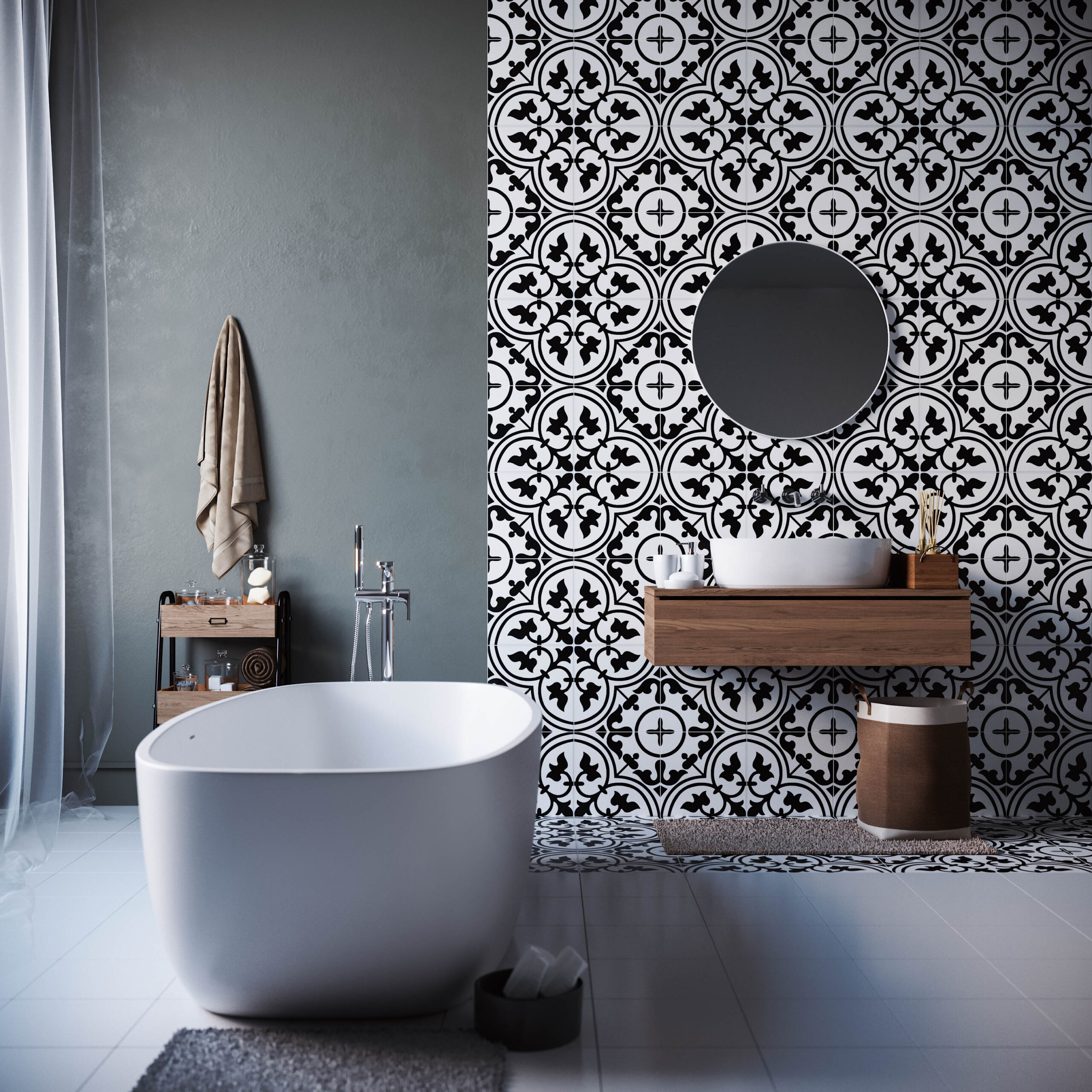
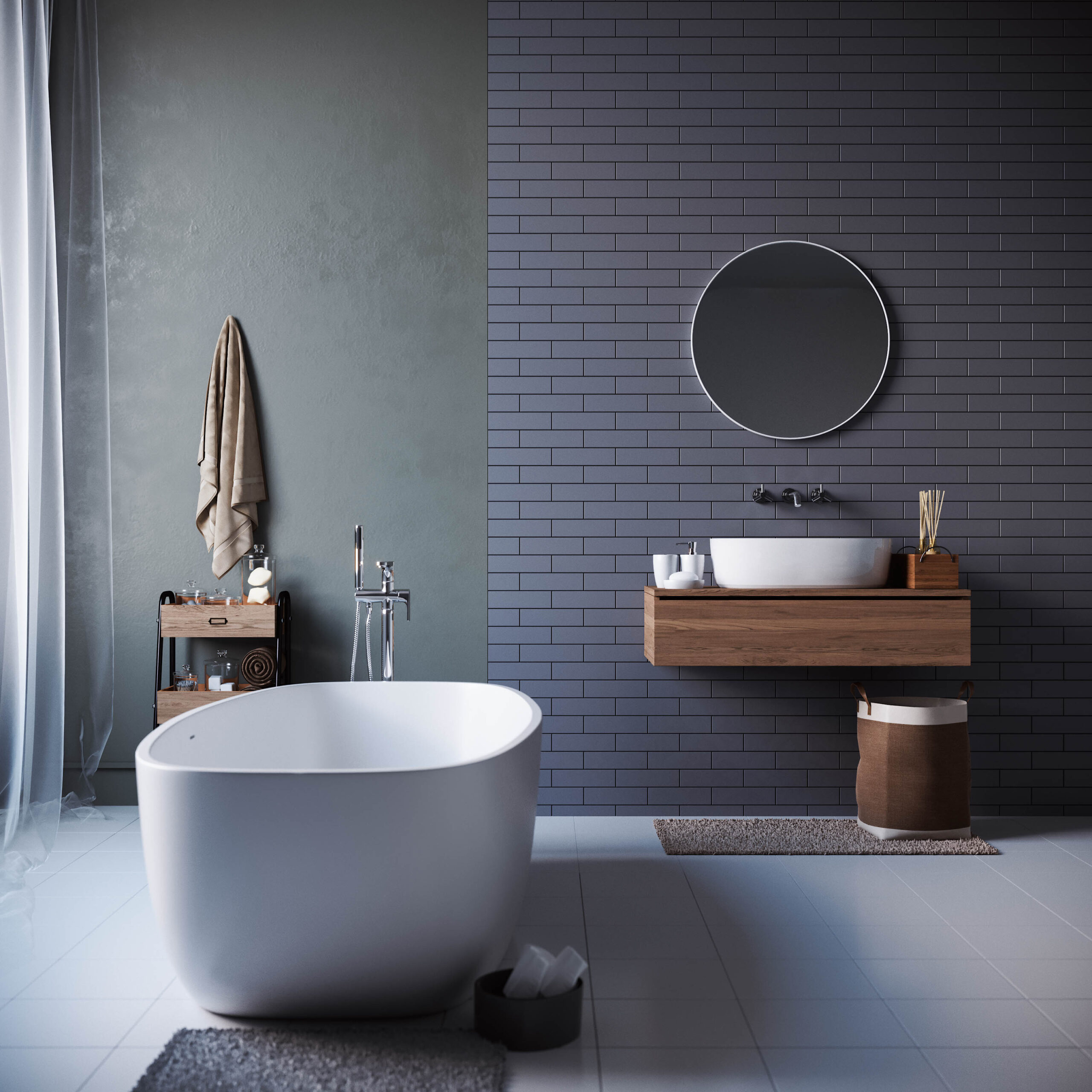
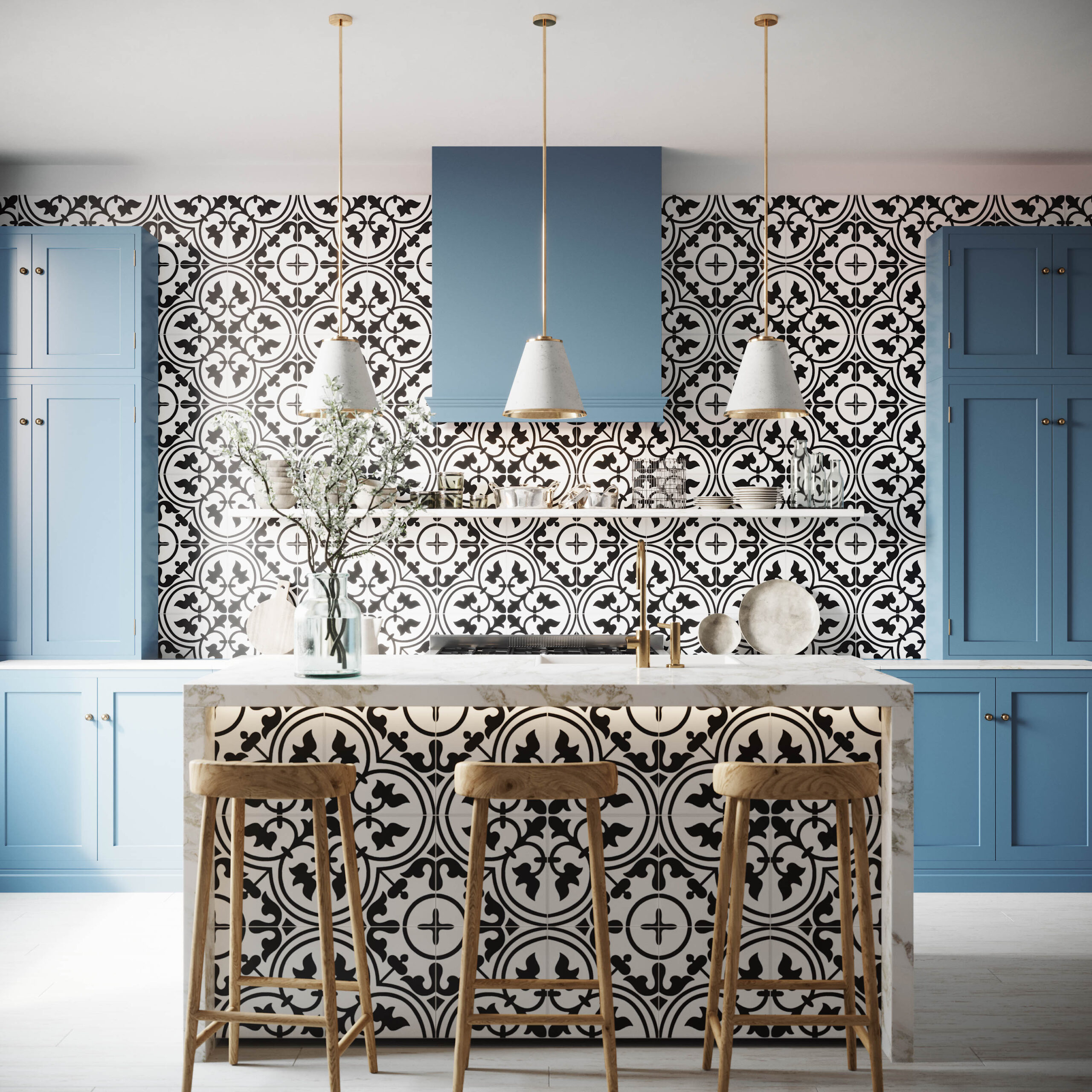


We eliminate the unnatural look of repeating tile graphics by injecting procedural randomization nodes into our PBR shader setups. These mathematical nodes automatically shift the UV coordinates, rotate the orientation, and alter the texture blending across each individual tile instance. This process ensures that no two adjacent tiles look identical, perfectly mirroring the natural color and vein variations found in real ceramic production batches.
To guarantee absolute visual alignment, we require industrial specifications such as precise tile dimensions, gloss percentage ratings, or standard manufacturer data sheets. For highly complex glazed, metallic, or structured tiles, we evaluate physical material samples under controlled studio illumination. This allows us to extract accurate diffuse, roughness, and metalness data to build an exact digital twin.
Inaccurate grout rendering is the most common reason architectural visualizations look fake. Grout cannot be rendered as a flat, single-color strip. We map true physical displacement and micro-shadow details into the grout lines, creating a realistic recession between the tiles. This technical depth allows architects and designers to test different grout widths, depths, and color contrasts with absolute confidence before implementation.
Yes, the underlying scene architecture is completely modular and built using a non-destructive framework. Because the architectural layouts, plumbing fixtures, and lighting configurations are decoupled from the surface materials, we can rapidly update the tile shaders without rebuilding the environment. This allows manufacturers to refresh their marketing assets for new seasonal lines at a fraction of the cost of traditional photography.
From architectural blueprints to high-fidelity CGI and immersive interactive virtual tours. We engineer visual assets that streamline investor approval loops, maximize property value, and drive conversions.
Discuss Your Project