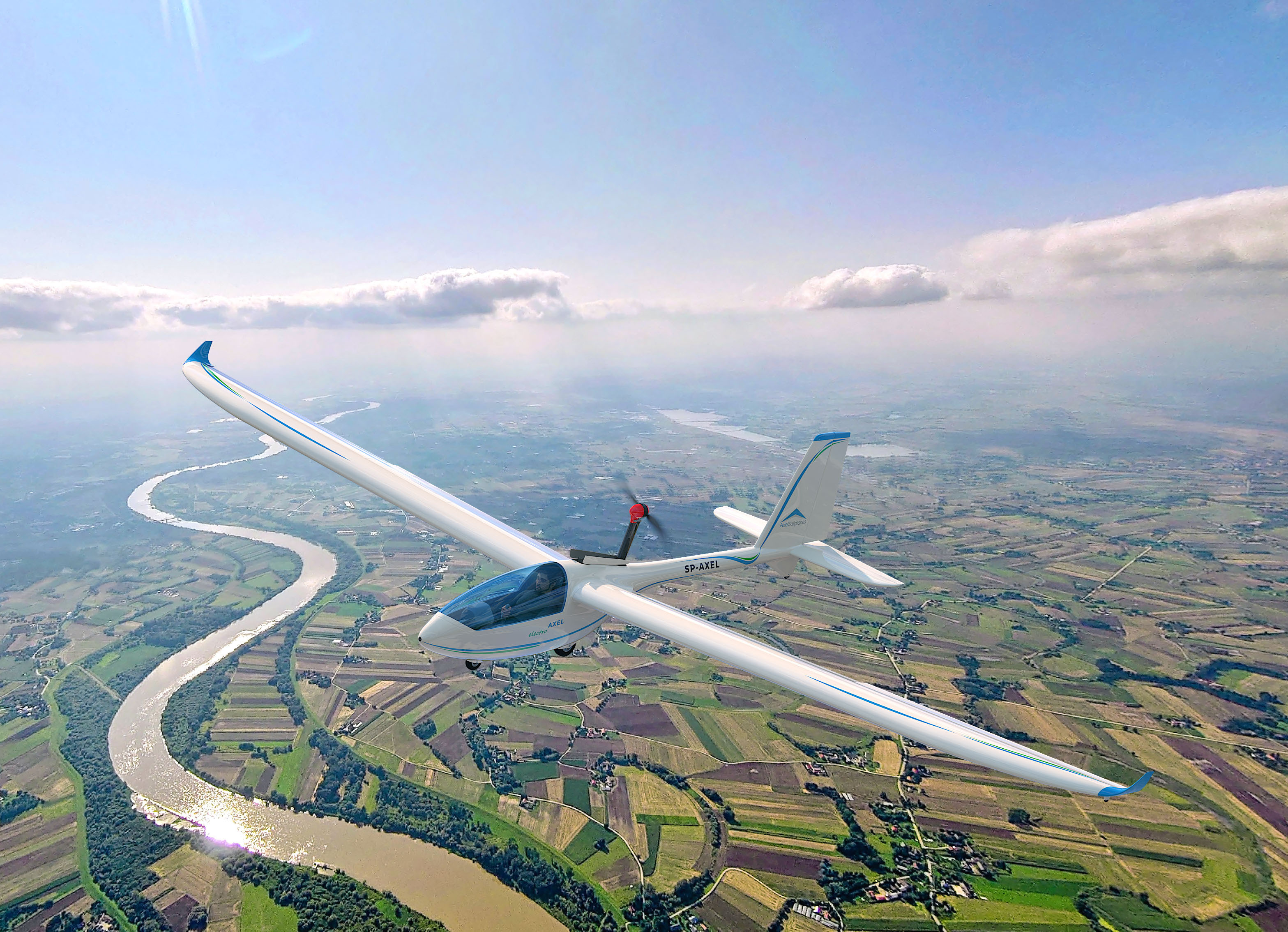
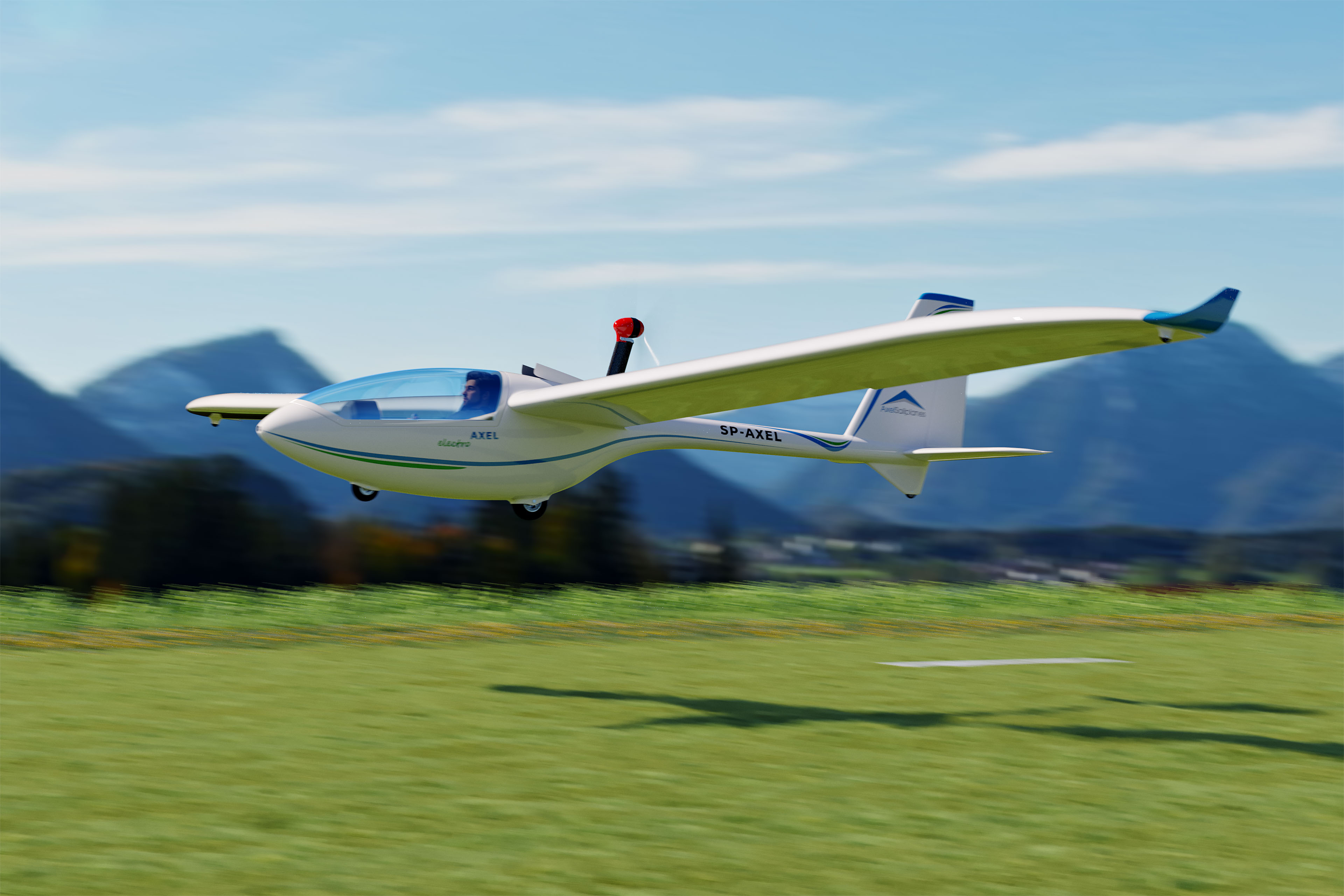
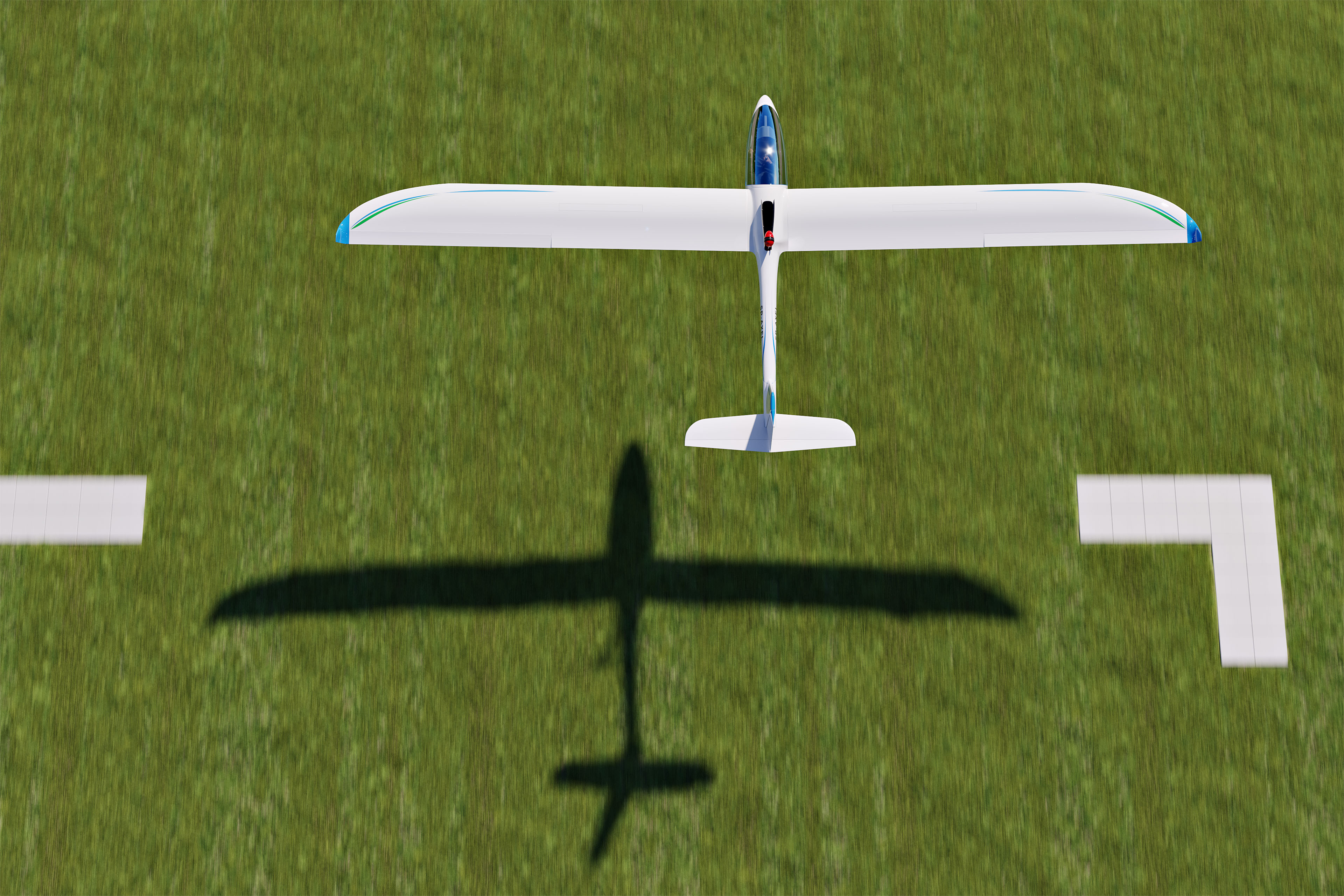
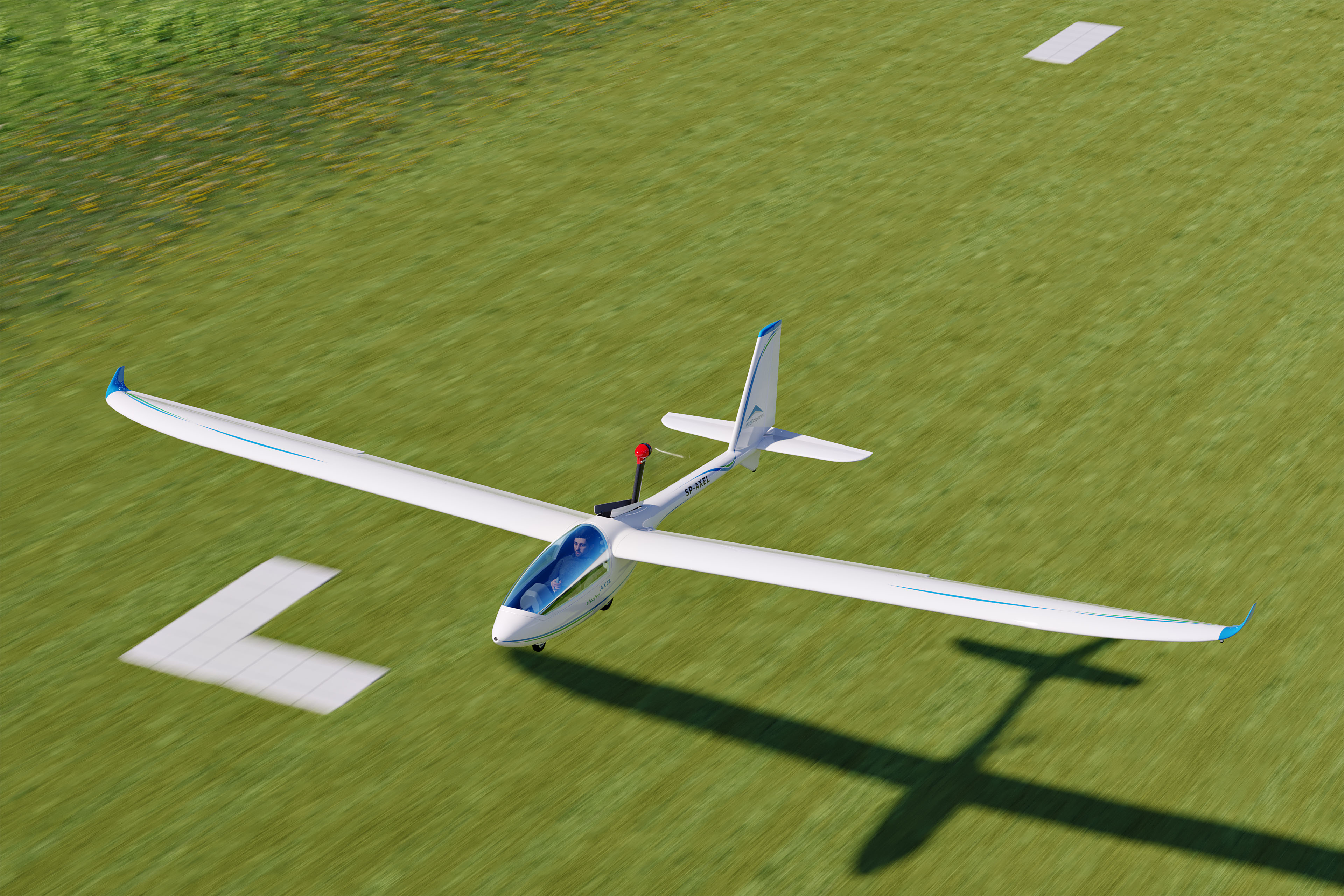
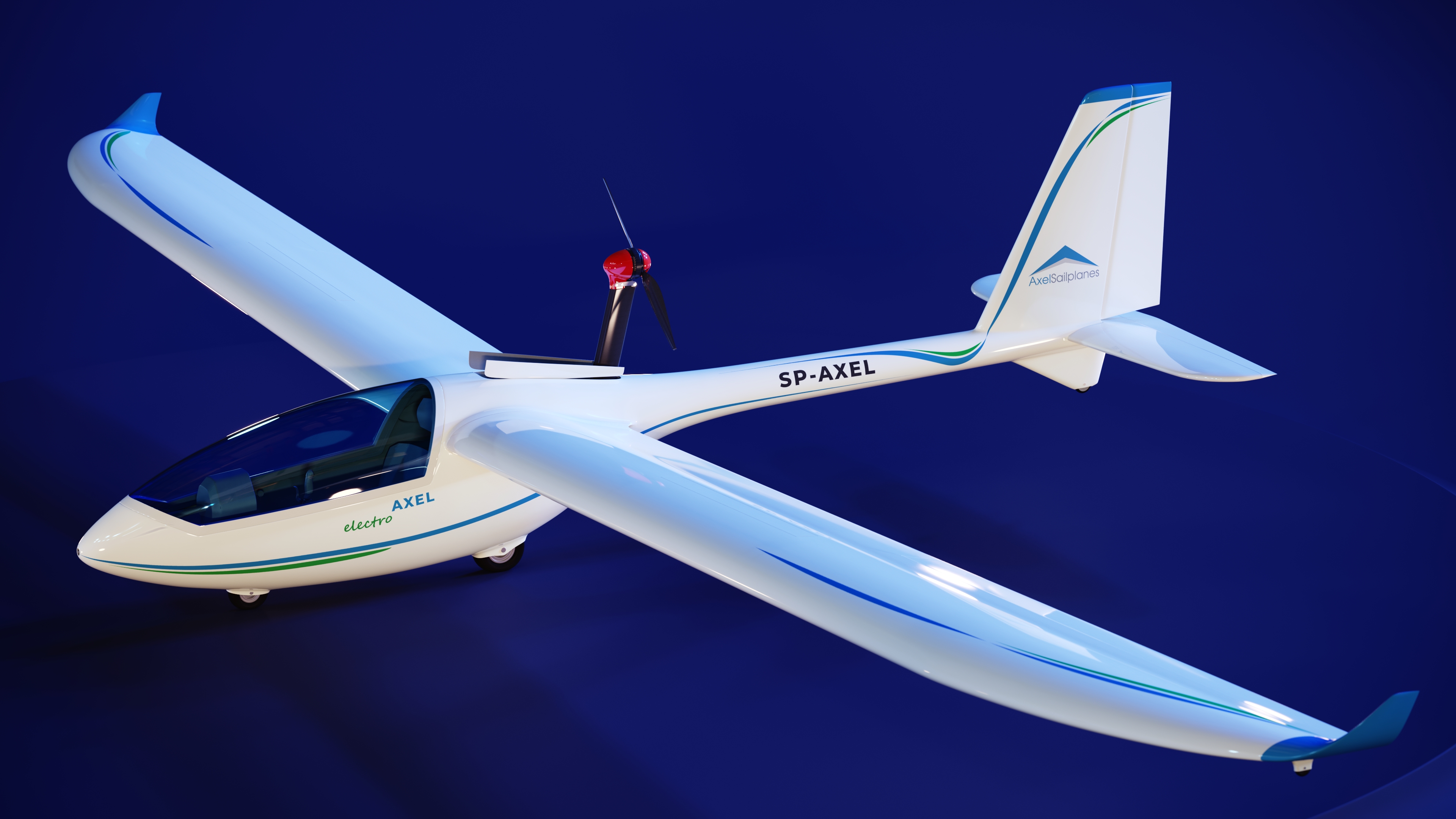

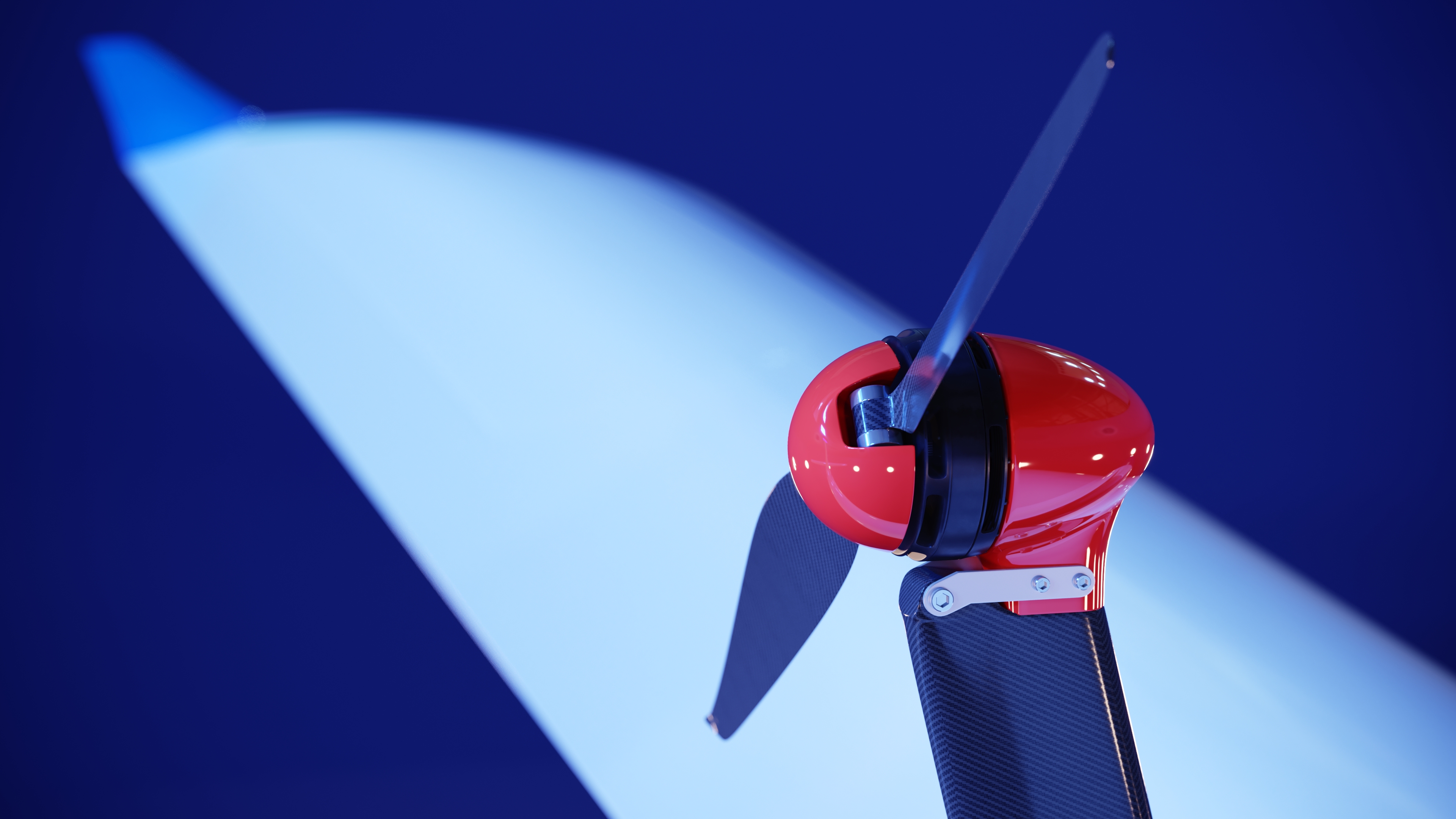
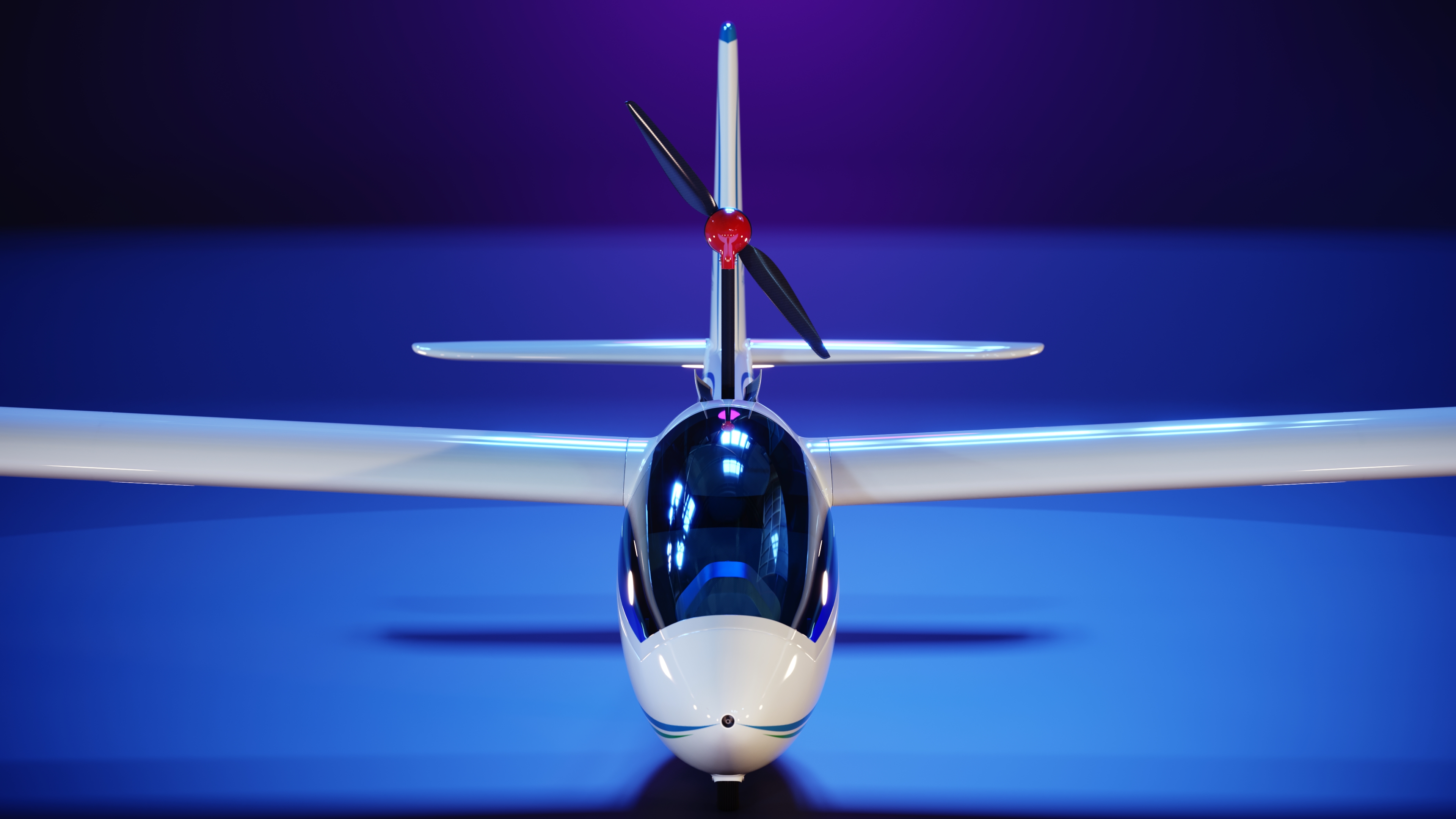
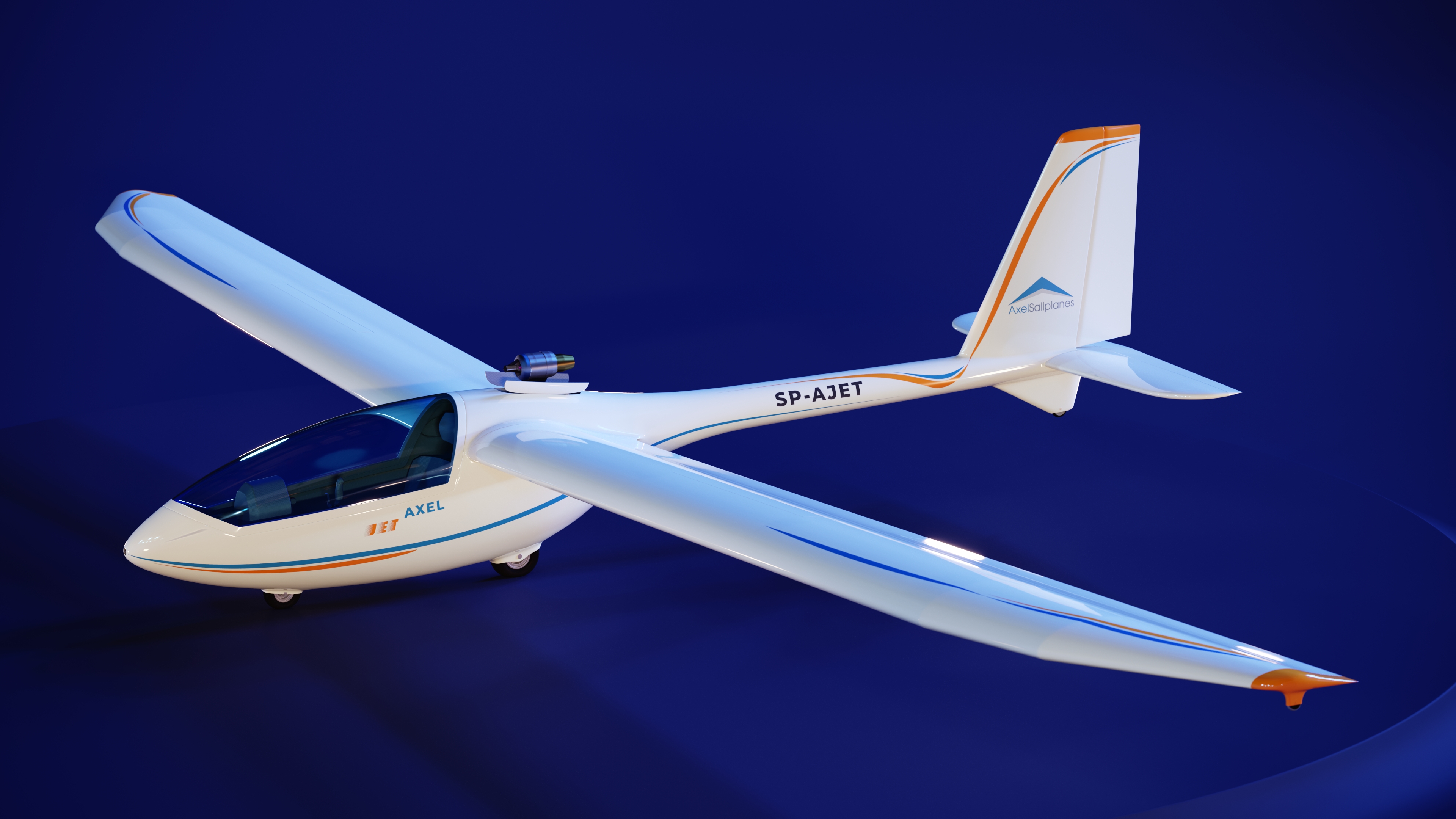
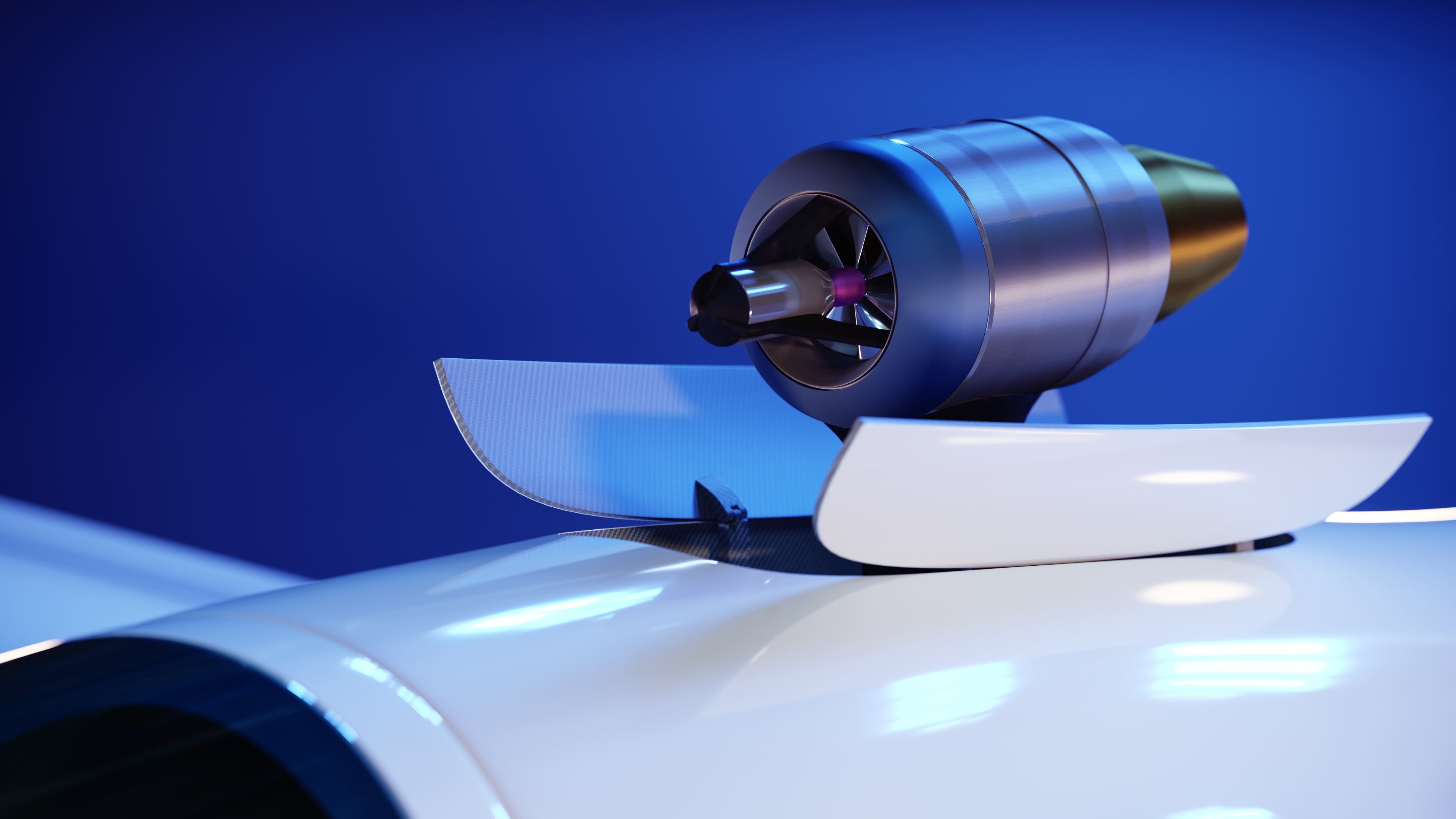

Traditional aviation marketing forces companies to build an expensive physical prototype before generating sales collateral. Our CGI pipeline works directly with your engineering CAD models during the development phase. This allows your commercial team to publish marketing assets, run pre-sales campaigns, and present the finished aircraft to regulators or investors months before the physical production line even starts, significantly shortening your time-to-market.
We integrate directly with your engineering workflow by accepting solid-model CAD files such as STEP or IGES formats. This ensures that every aerodynamic curve, control surface line, and cockpit switch is mathematically identical to your actual technical design. To match the real materials, we utilize your industrial design sheets specifying gelcoat gloss levels, carbon-fiber weave styles, and interior upholstery codes.
Yes, the digital asset framework built by our studio is entirely non-destructive and modular. The high-polygon models used for photorealistic rendering can be optimized and retopologized into lightweight, efficient meshes. These assets can then be seamlessly exported into real-time WebGL viewers for online aircraft configurators, virtual reality (VR) cockpit tours, or interactive flight training simulations.
We utilize advanced ray-tracing engines that compute real-world light transport and environmental bouncing. Instead of flat texturing, we build multi-layered PBR materials where the specular and roughness channels react dynamically to our physical sky and sun models. This ensures the glossy fuselage catches natural horizons while the acrylic canopy splits and refracts light logically, preventing the aircraft from looking like a flat digital illustration.
From architectural blueprints to high-fidelity CGI and immersive interactive virtual tours. We engineer visual assets that streamline investor approval loops, maximize property value, and drive conversions.
Discuss Your Project