

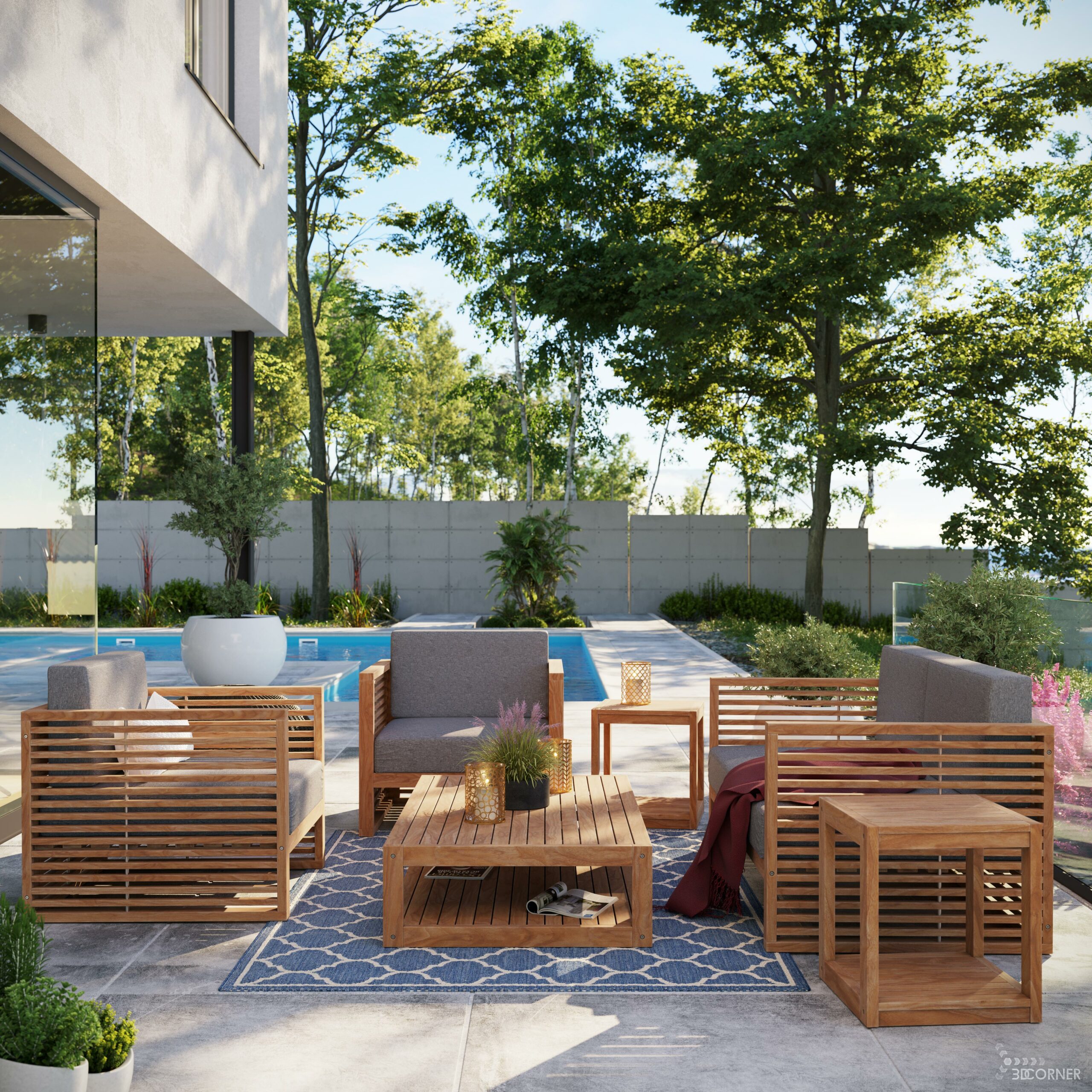
TEAK FURNITURE 3D PRODUCT VISUALIZATION

The Goal

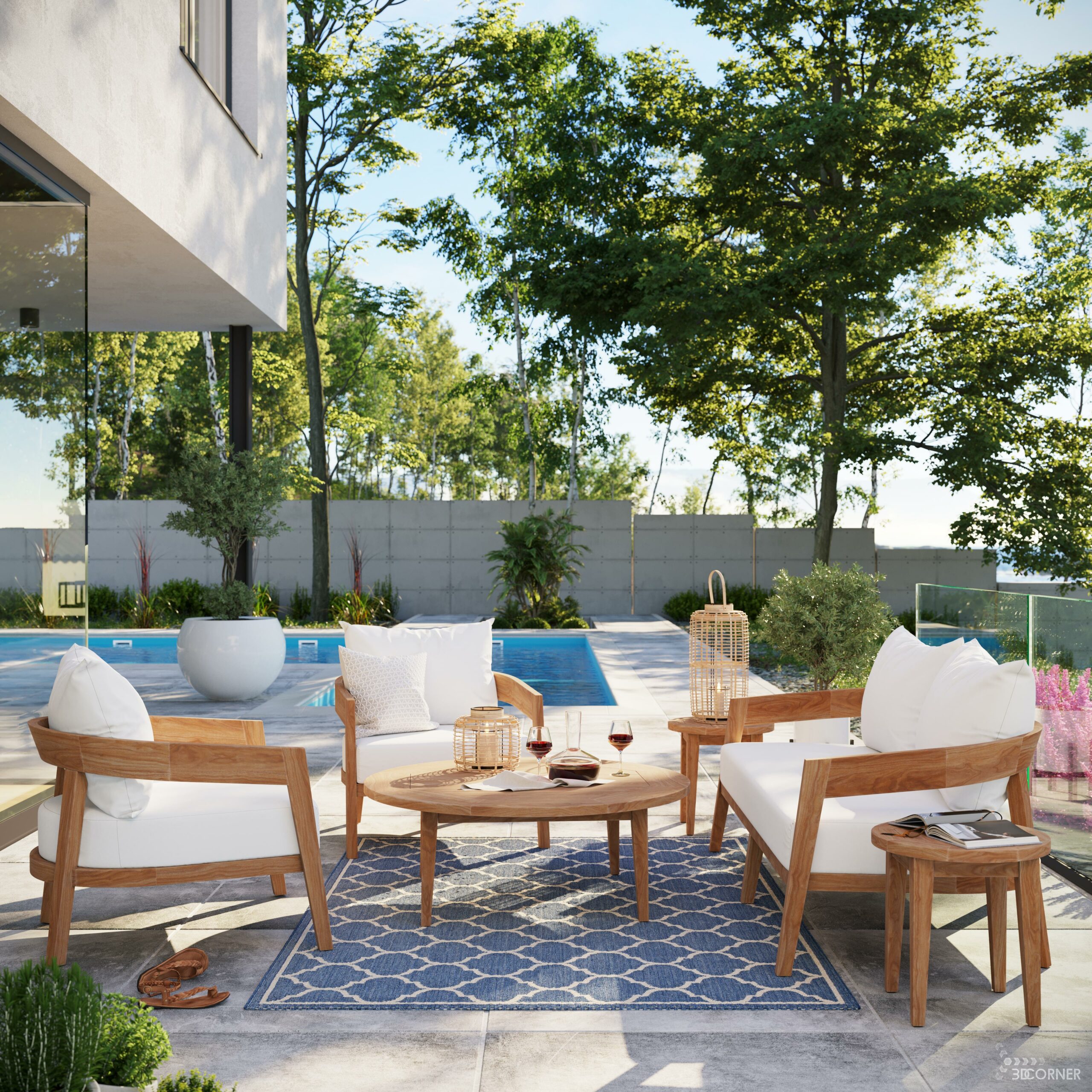
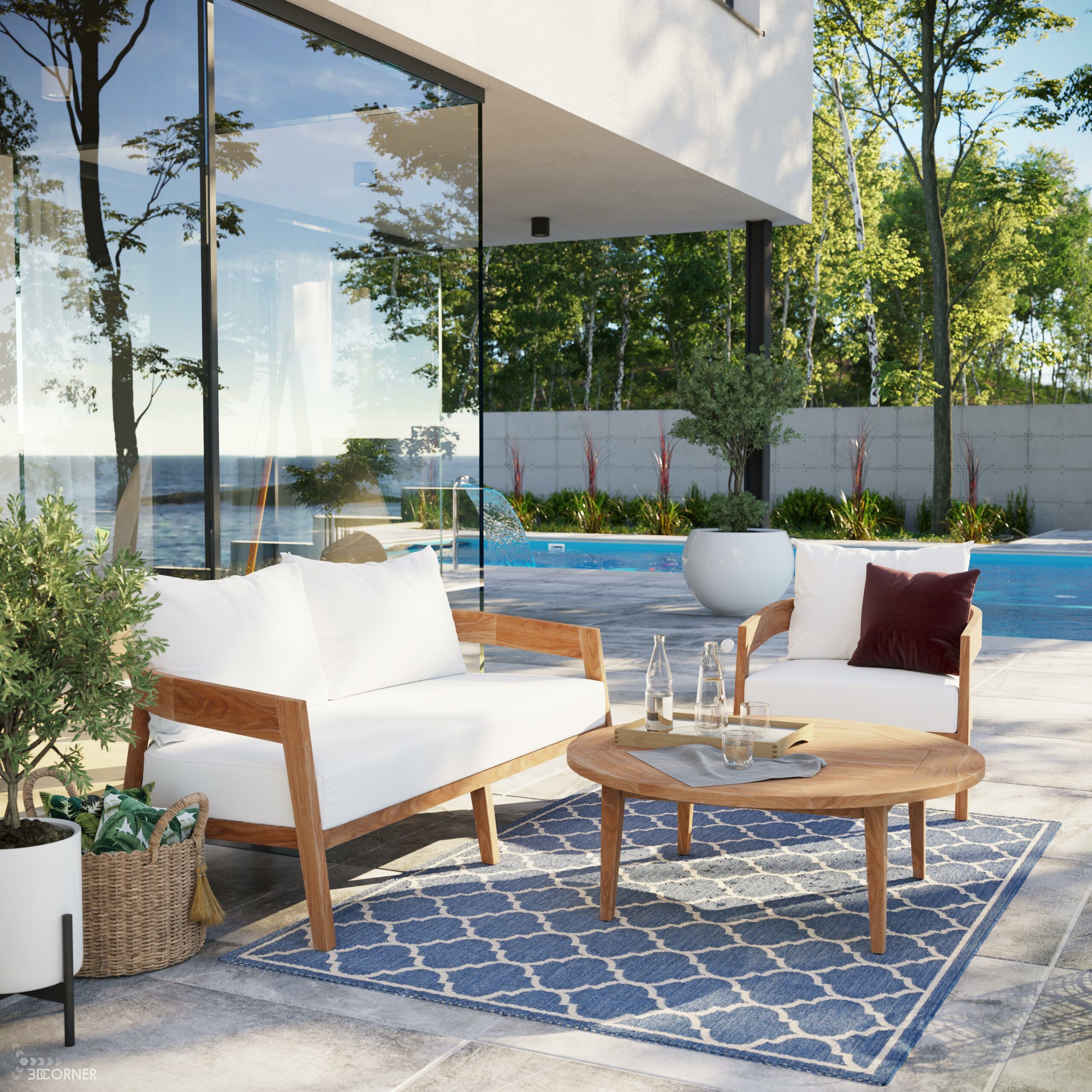
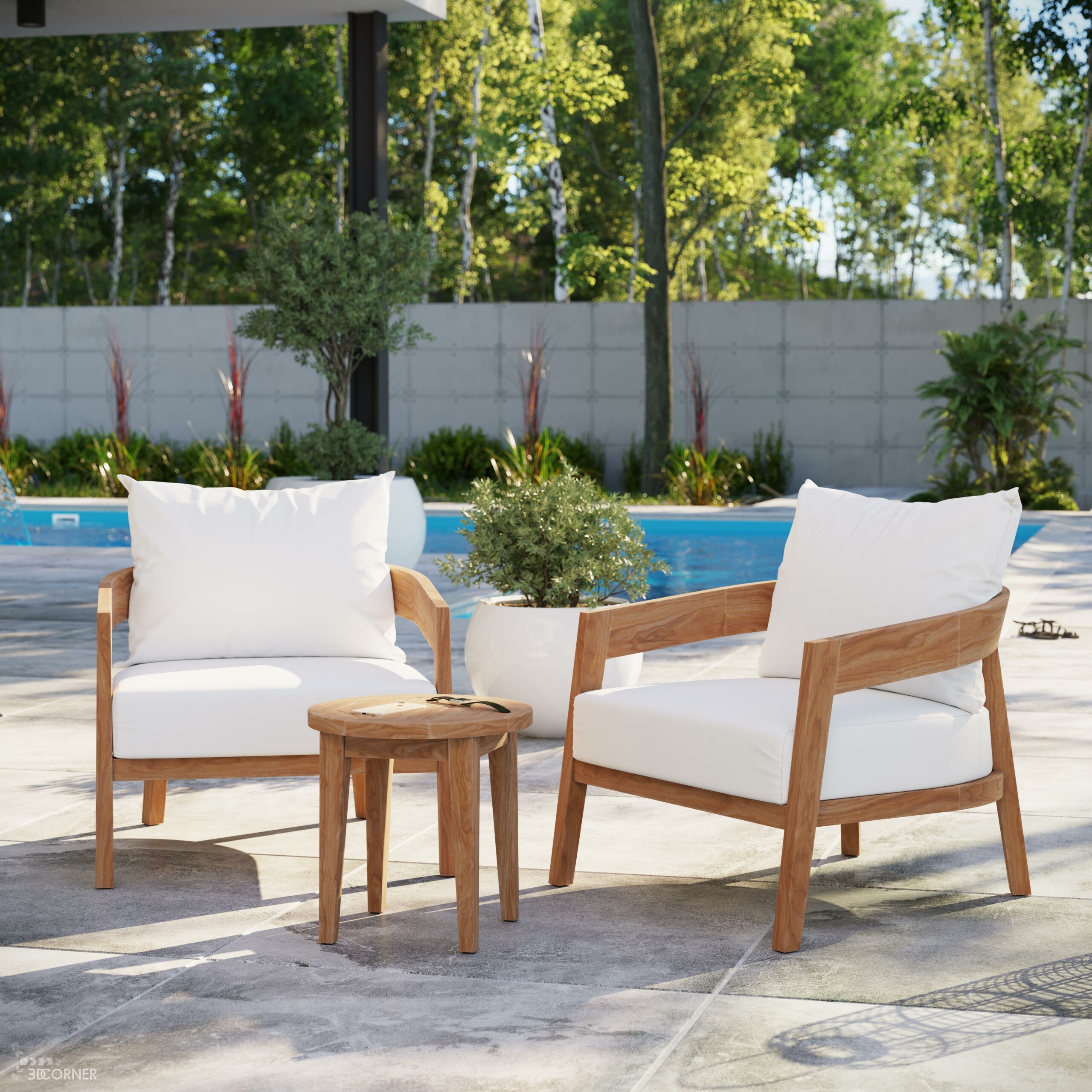
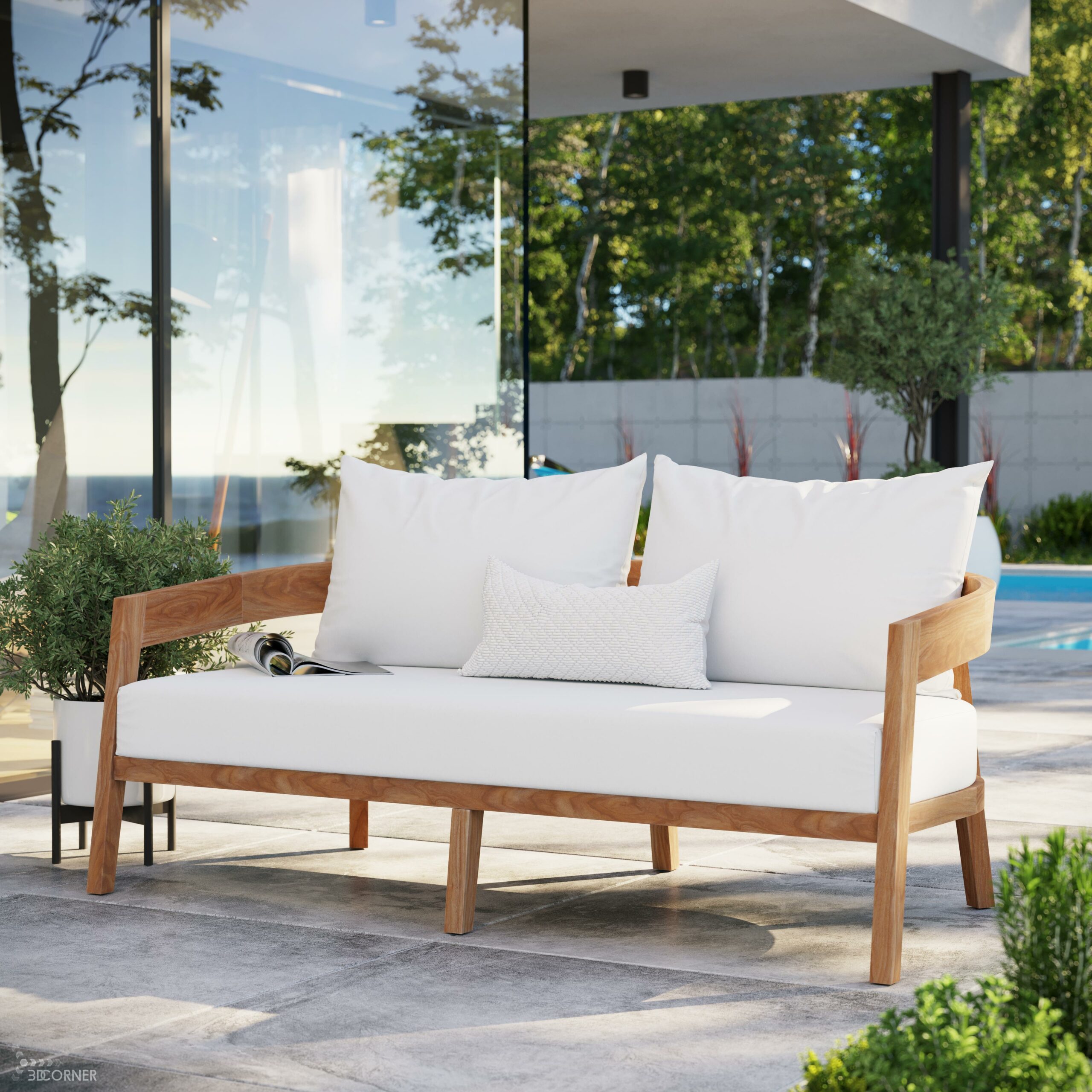
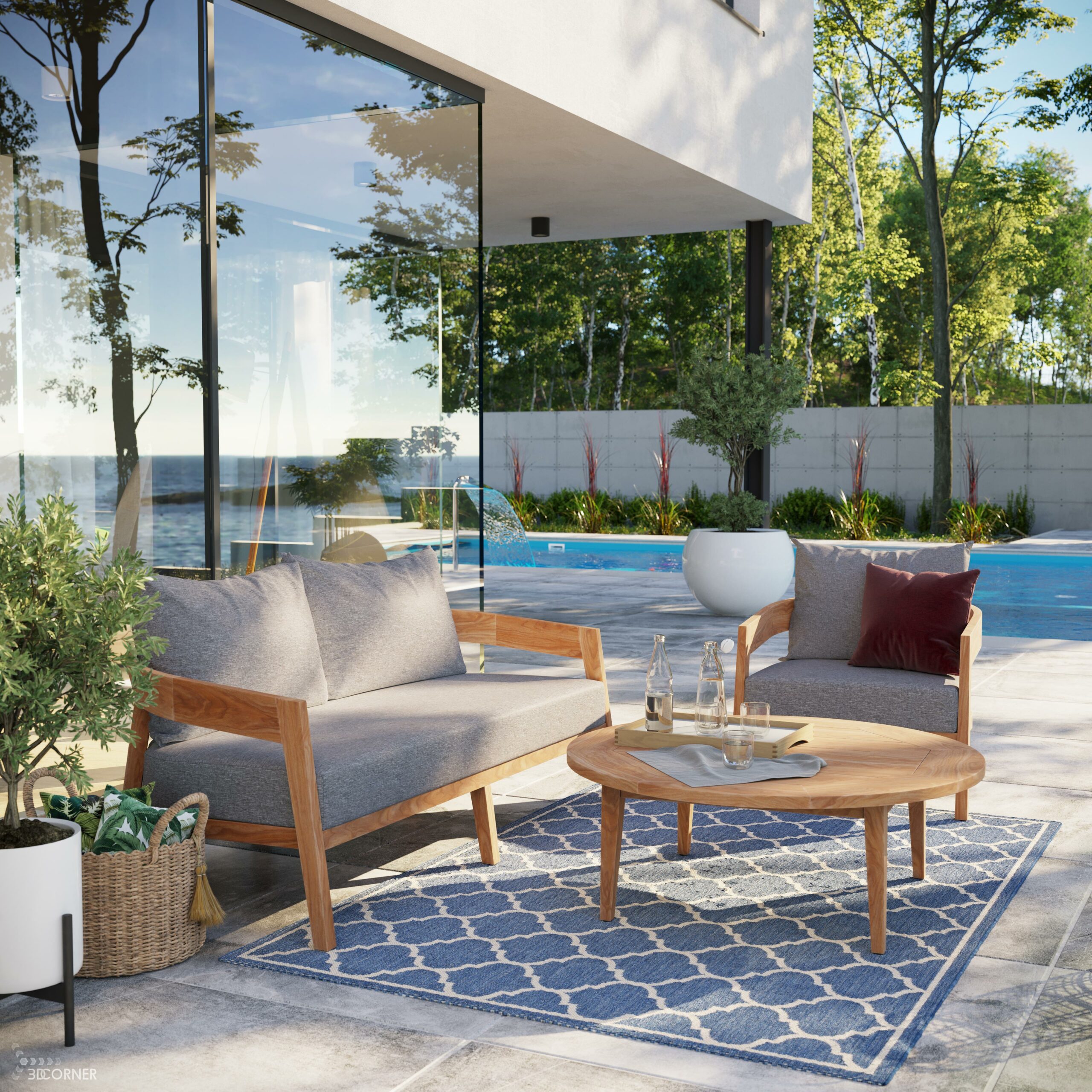
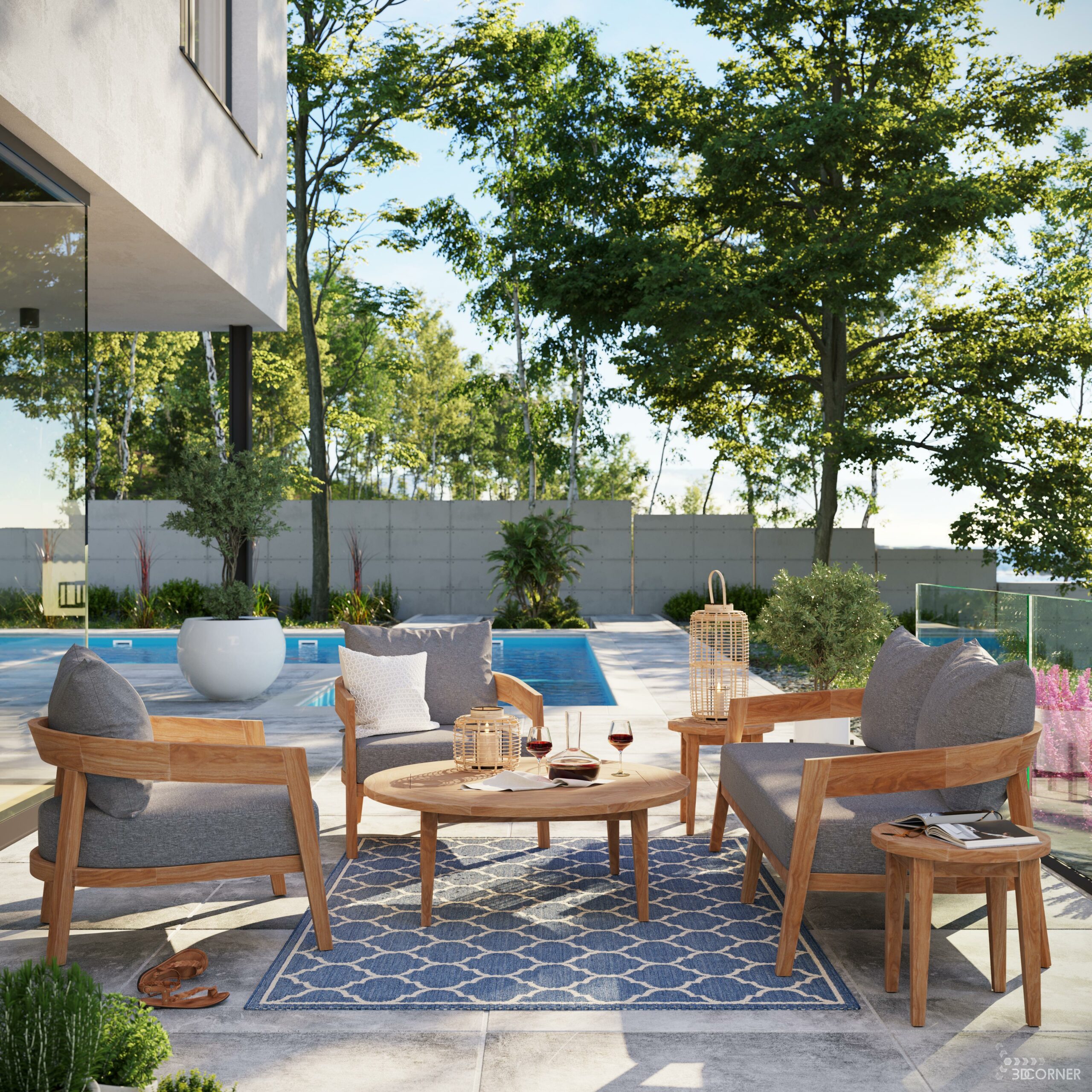
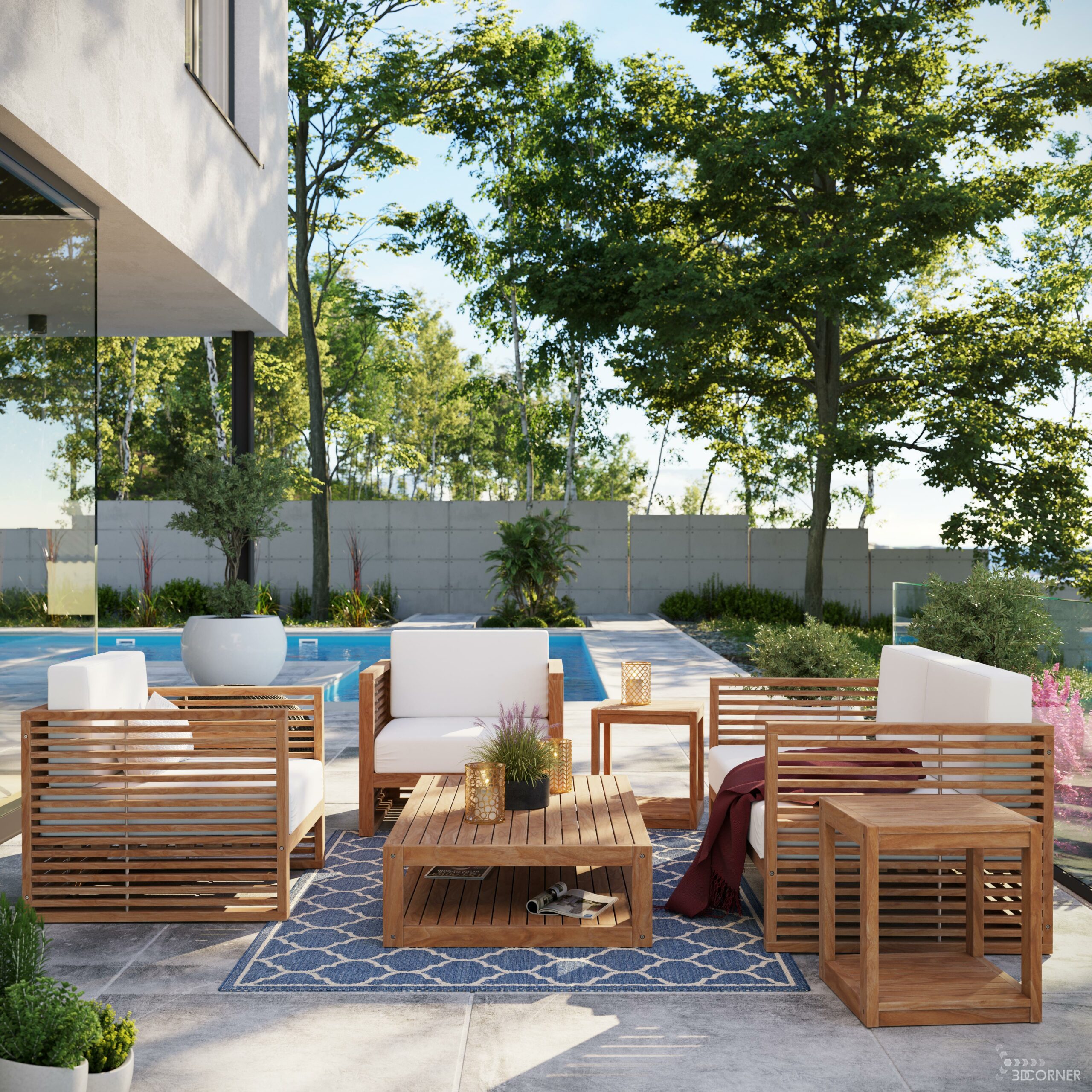
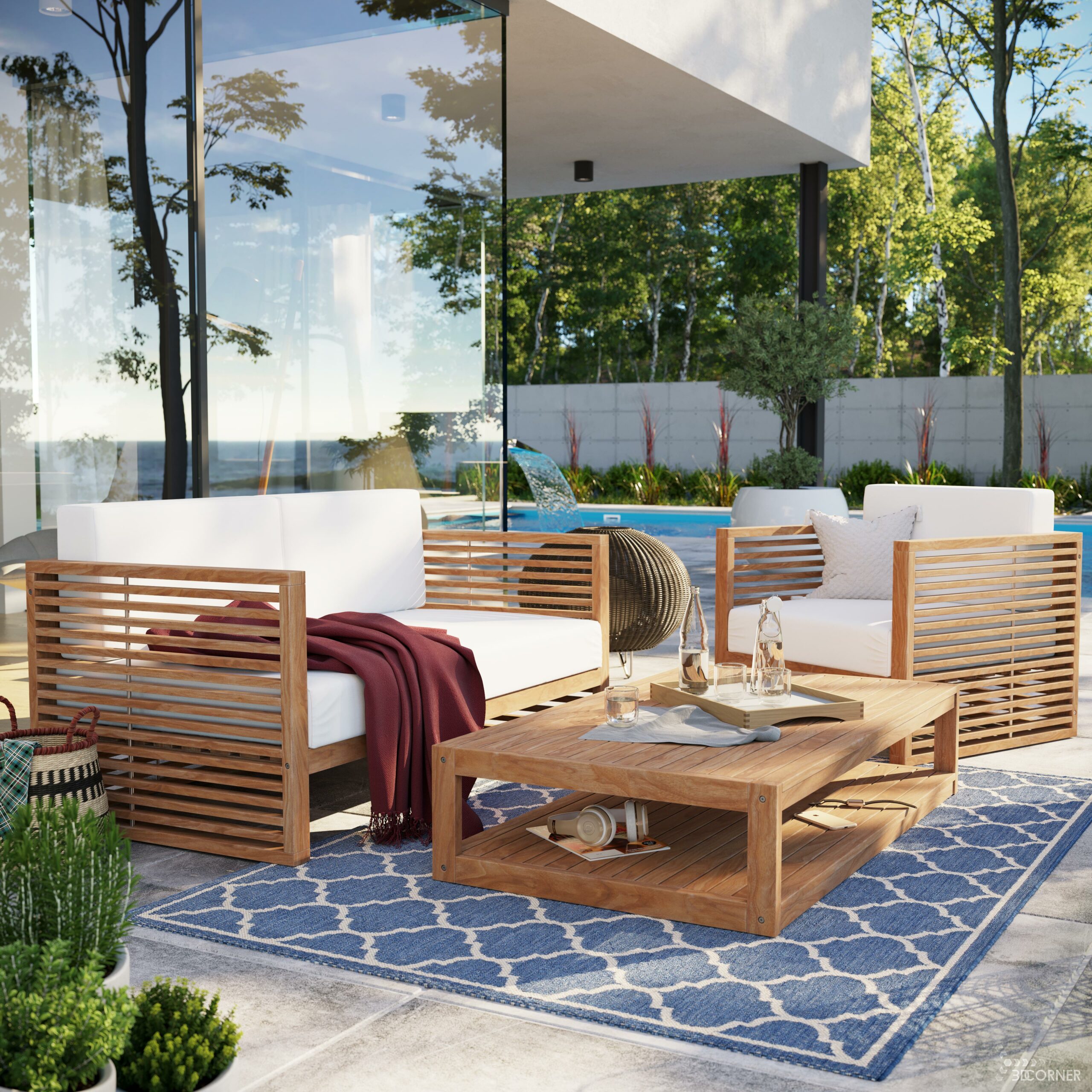
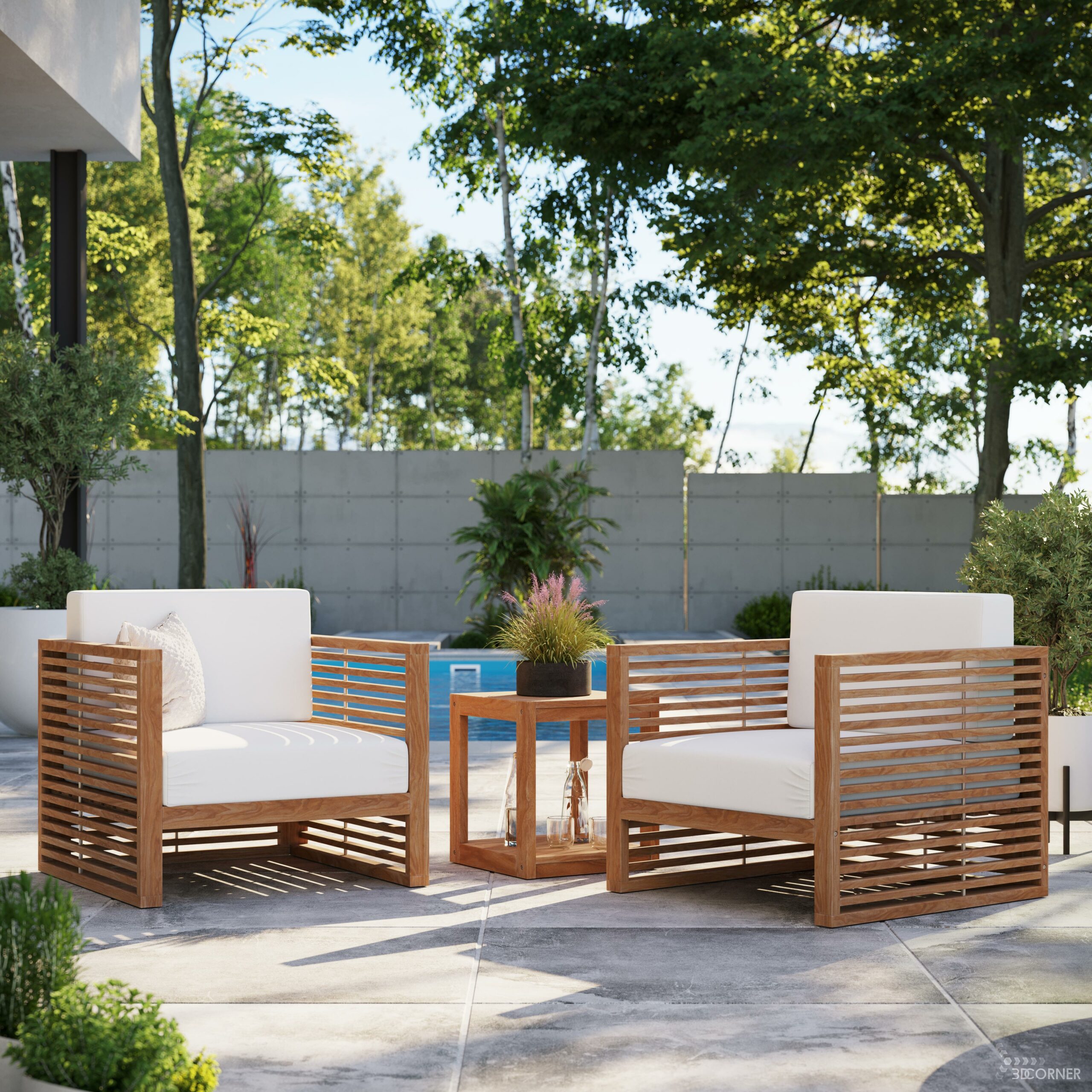
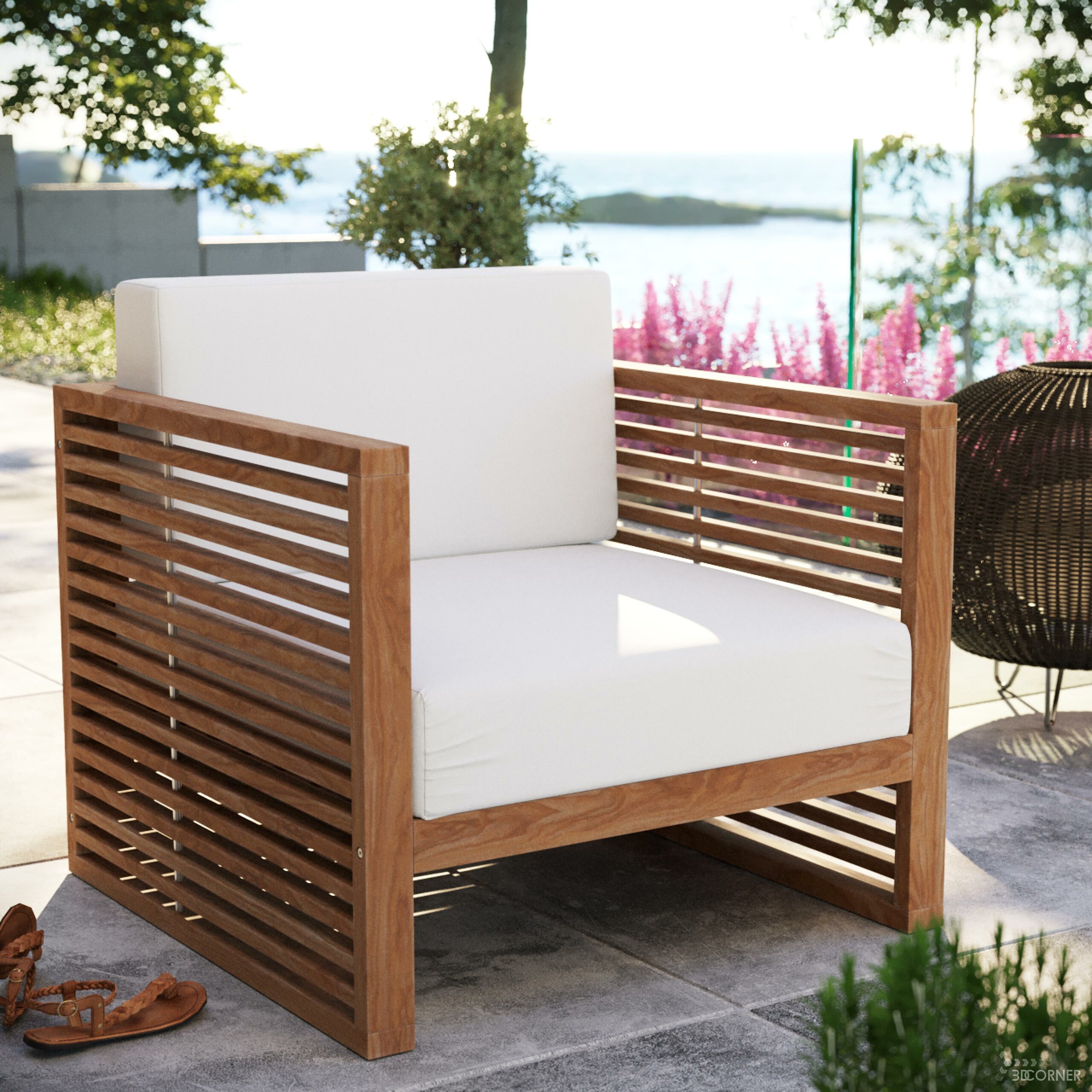
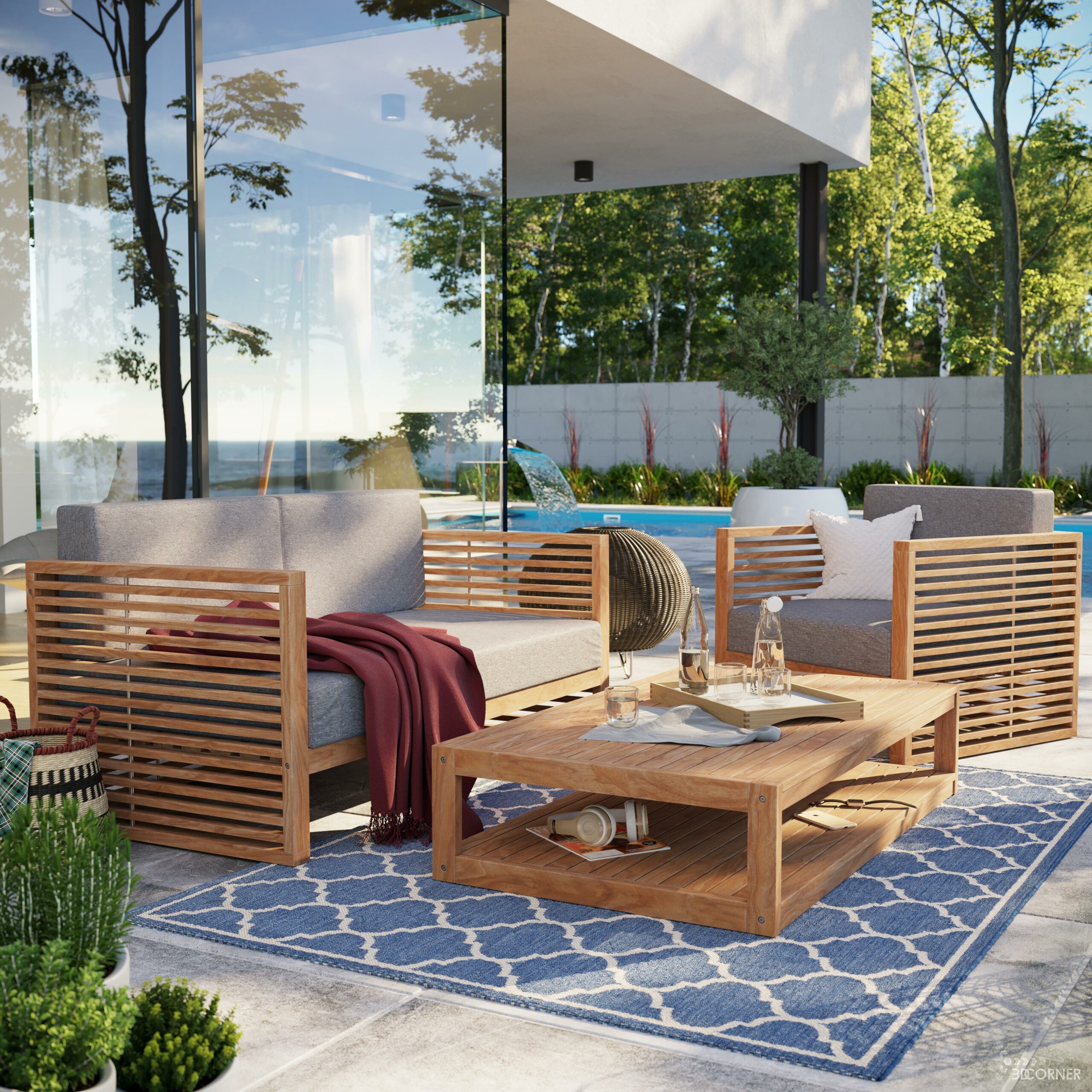
The central objective of this CGI project was to visualize an outdoor teak furniture collection under a highly complex lighting scenario: harsh, direct midday sunlight filtered through a dense, organic tree canopy. In traditional furniture photography, shooting in dappled shade is notoriously avoided due to extreme exposure contrasts, unpredictable wind shifting the leaves, and uncontrolled color bleeding from the foliage. The studio was tasked with bypasses these physical limitations by engineering a dimensionally perfect digital environment. The core goal was to provide the manufacturer with high-resolution marketing assets that display how the natural texture of teak wood responds to high-contrast, organic shadow patterns, creating an authentic outdoor lifestyle narrative for global B2B clients.

Technical CGI Engineering

  • Scope – High-end lifestyle context rendering of an outdoor teak seating set, optimized for high-contrast shadows and close-up macro material inspection.

  • Inputs – Product CAD files, material gloss charts, and high-resolution photographic references of weathered versus freshly oiled teak grains under direct natural light.

  • Dappled Light Simulation – Implemented custom light gels and high-resolution opacity maps (gobos) mapped directly to the primary sun light source to mathematically calculate realistic shadow penumbra and soft-edge light transitions cast by simulated tree leaves.

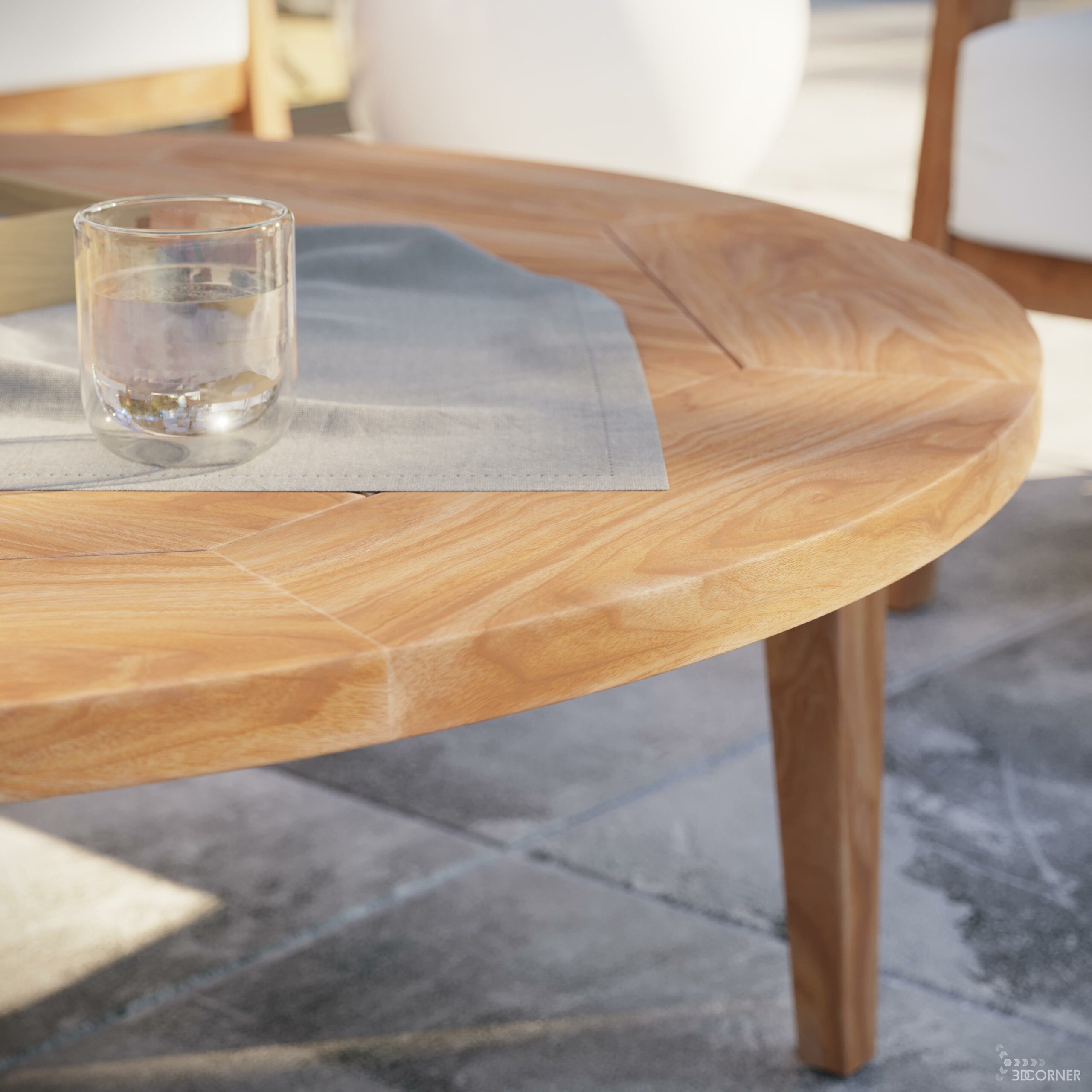
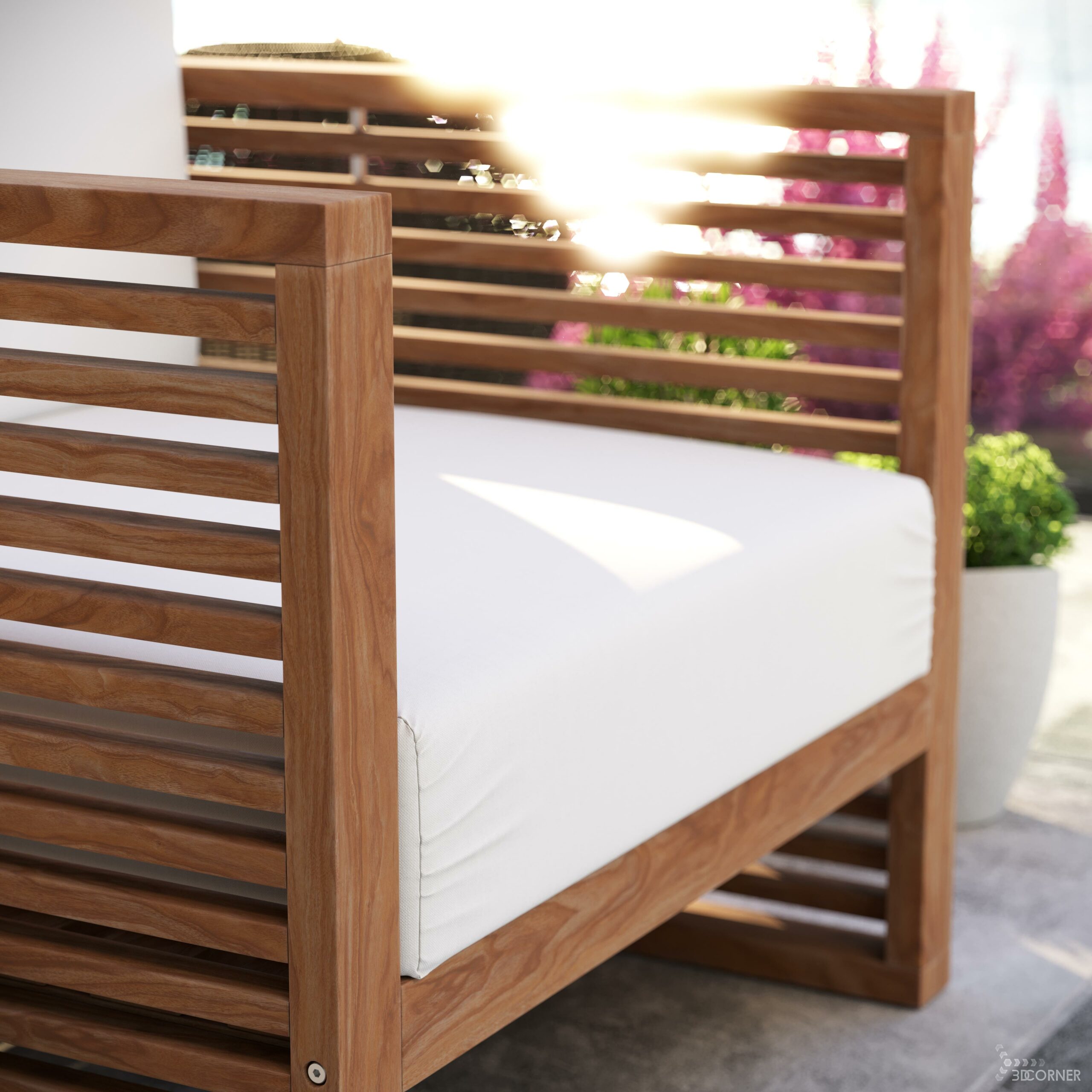
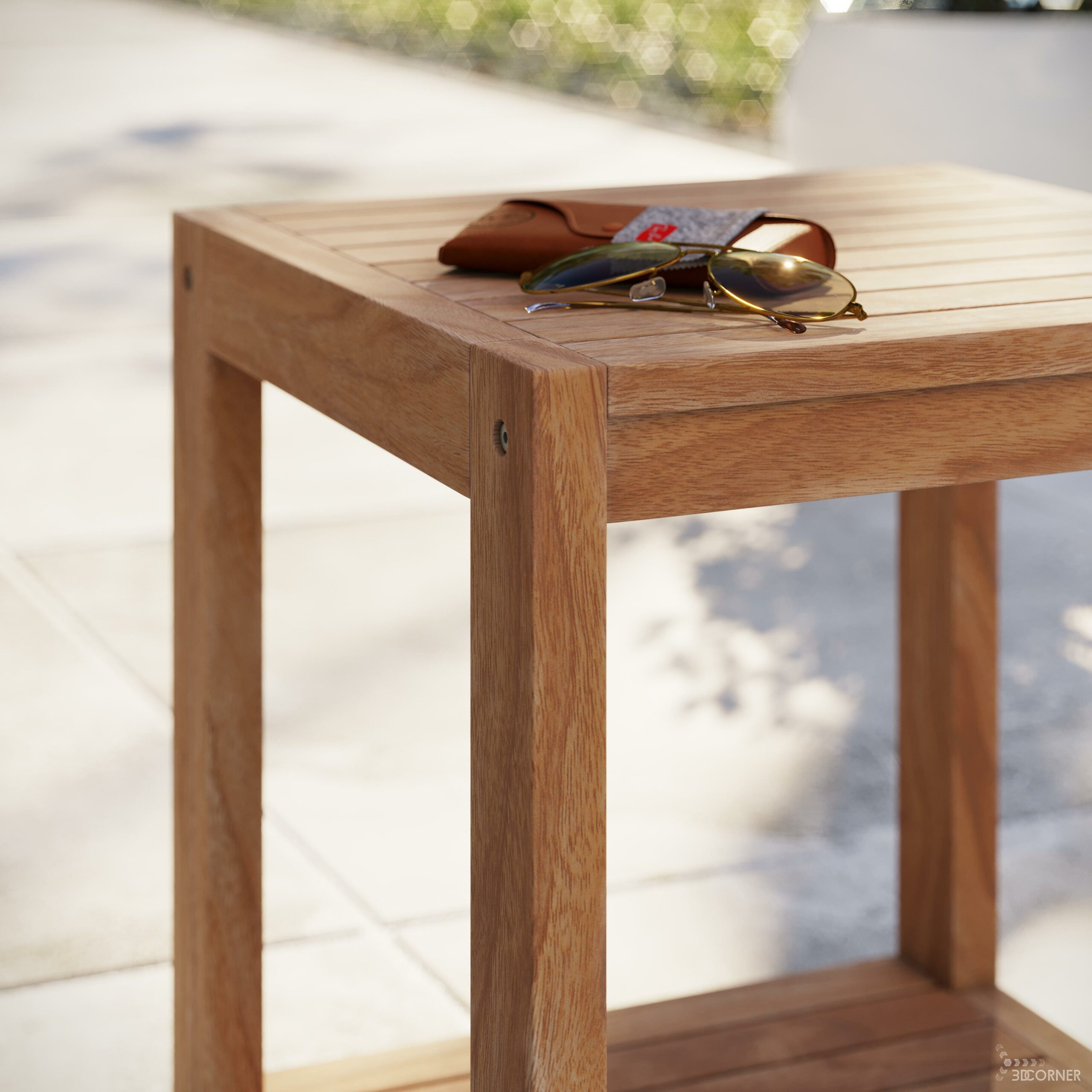
  • Material Anisotropy – Designed a specialized multi-layered PBR shader for the teak framework, configuring custom roughness maps to reflect the natural, irregular oil pockets of exotic wood that react dynamically to shifting light angles.

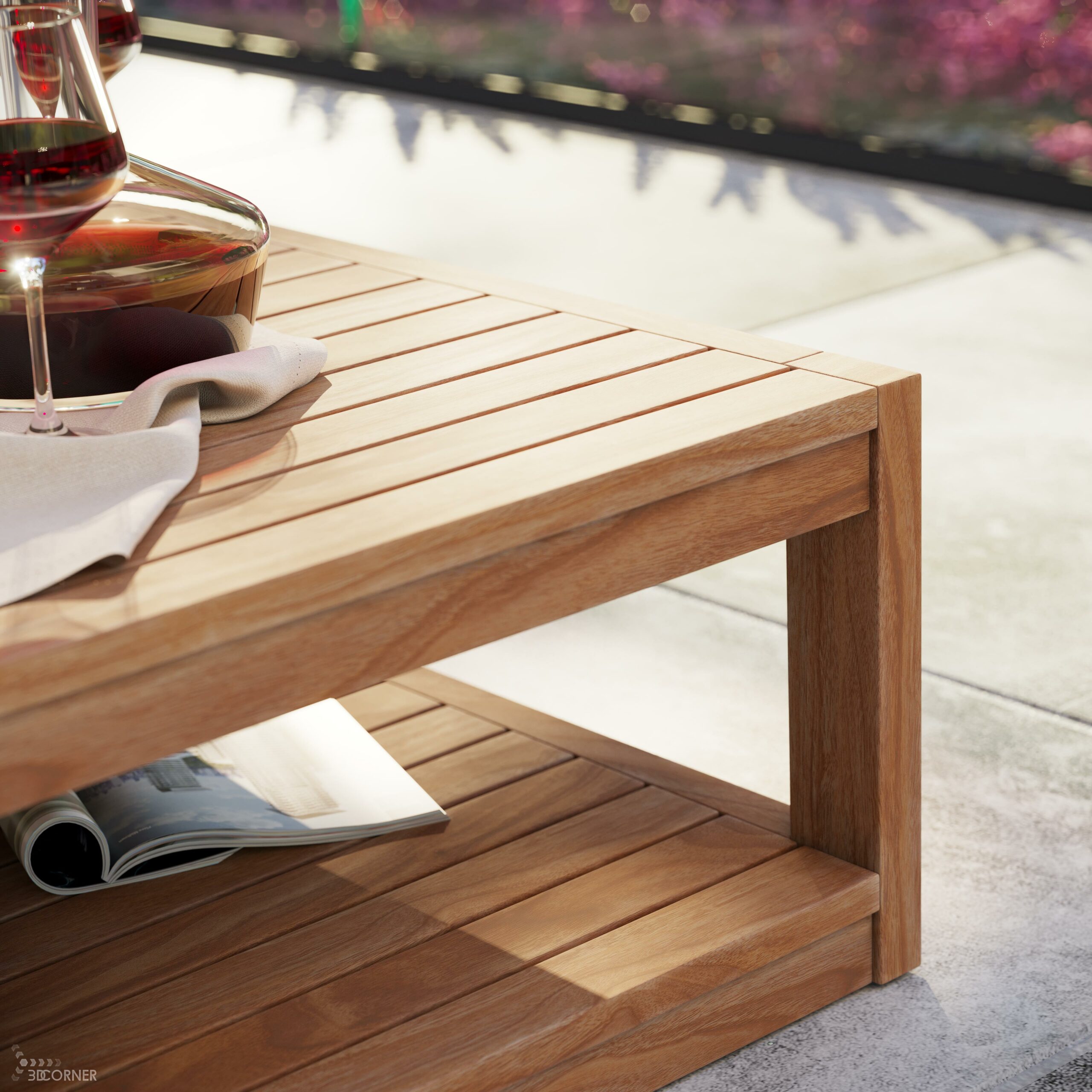
  • Open-Pore Micro-Displacement – Deployed high-frequency vector displacement mapping along the wood grain to ensure that sharp, grazing sunlight accurately catches the microscopic ridges and pores of the timber surface.

  • Color Bleeding Control – Calibrated sub-surface scattering (SSS) parameters on the surrounding digital foliage to prevent unnatural green color casts from over-saturating the neutral fabric cushions and timber framing.

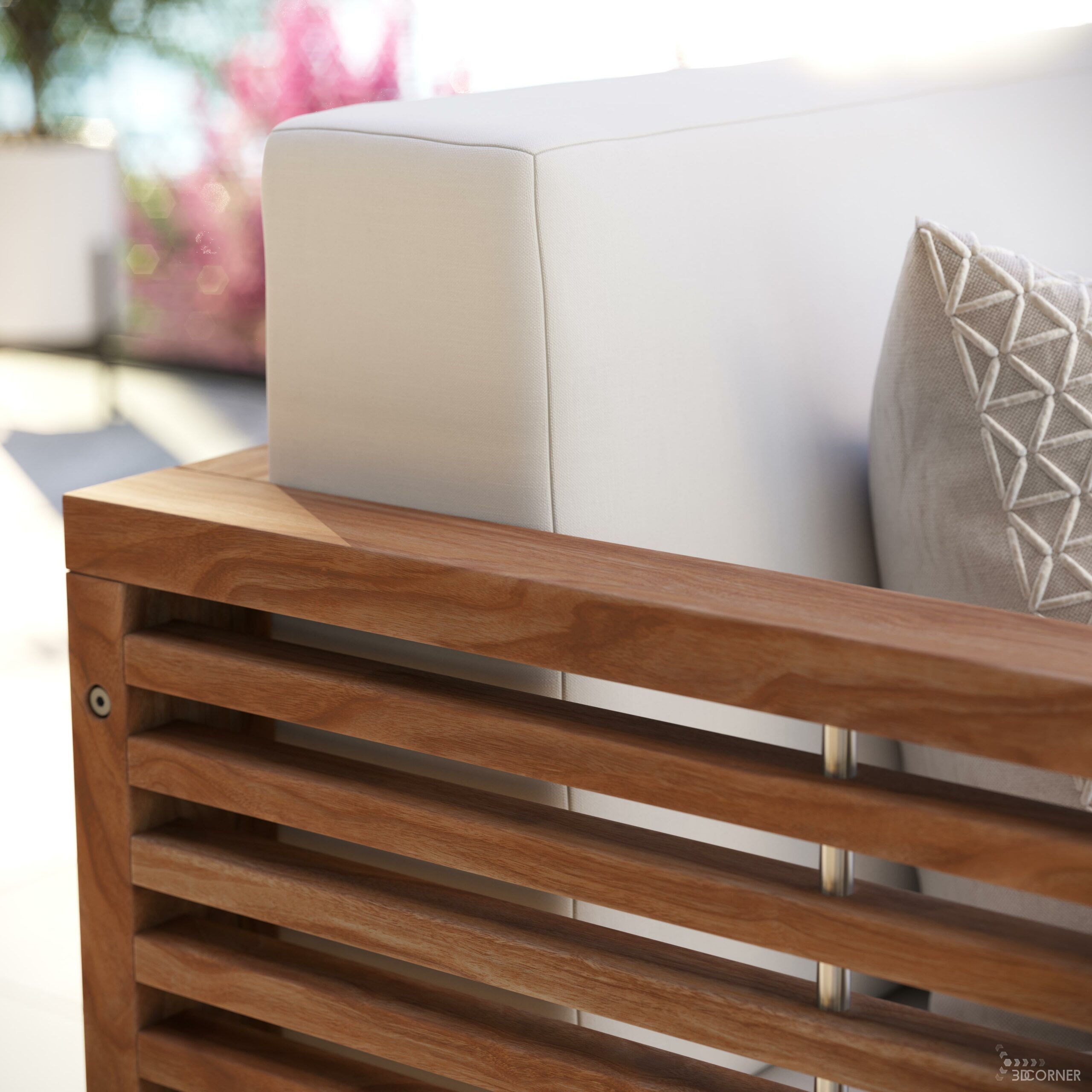
  • Geometric Soft-Body Dynamics – Simulated fabric cushion deformations and micro-wrinkles using physics-based cloth solvers to mimic the natural sagging and wear of outdoor upholstery under physical weight.

The Business Outcome

Transitioning this complex outdoor photoshoot into a controlled CGI pipeline provided the client with complete aesthetic sovereignty over their marketing schedule. The final assets delivered a visually striking lifestyle presentation that highlights the furniture under the exact atmospheric conditions desired by landscape architects. By eliminating the high logistical costs, travel overheads, and weather dependencies of traditional outdoor photography, the manufacturer achieved a 60% reduction in asset-generation expenses. The resulting high-resolution digital twins are fully standardized, allowing the client to instantly swap out fabric patterns or apply alternative wood stains across the entire scene for future product expansions.

Project FAQ

How did you simulate the realistic, soft-edged shadows cast by the invisible tree canopy?

We avoided using flat, low-resolution opacity cutouts, which produce harsh and artificial digital shadows. Instead, we developed a dynamic lighting pipeline utilizing high-resolution gobo textures attached to a physical sun system with a calibrated source angle. This setup allows the rendering engine to compute true light-ray divergence, meaning shadows become sharper closer to the ground and naturally blurry further away from the source, perfectly mimicking how a real forest canopy filters sunlight.

Why does high-contrast dappled light pose a technical challenge for teak wood textures?

Harsh sunlight combined with dark shadows creates extreme luminance ranges that can easily blow out highlights or muddy the darker areas. Teak wood has an open-pore structure rich in natural oils, meaning dry areas scatter light diffusely while oily sections create sharp specular reflections. Under dappled light, we had to carefully tune the PBR roughness and metallic maps to ensure the wood grain remained physically readable in both the blinding solar highlights and the deep canopy shadows without losing surface definition.

How do you ensure that the fabric upholstery looks naturally integrated with the wood structure?

To prevent the cushions from looking like rigid digital blocks dropping into the frame, we ran a soft-body physics simulation. The cushions deform realistically where they meet the teak slats, creating natural pressure folds and micro-wrinkles. We then applied a custom fabric shader that utilizes a specialized sheen layer to mimic the way fine textile fibers catch rim lighting when positioned in high-contrast outdoor environments.

Can these models be updated if the manufacturer decides to offer different wood finishes or fabric colors?

Yes, the entire digital environment is built using a non-destructive asset structure. The 3D geometry of the teak frames and fabric elements is completely separated from the texture and lighting matrices. If the manufacturer introduces a charcoal stain, a natural weathering effect, or a new seasonal fabric line, we can re-render the exact same angles with perfect visual consistency in a fraction of the original production time.

Ready to Accelerate Your Commercial Pre-Sales?

From architectural blueprints to high-fidelity CGI and immersive interactive virtual tours. We engineer visual assets that streamline investor approval loops, maximize property value, and drive conversions.

Discuss Your Project